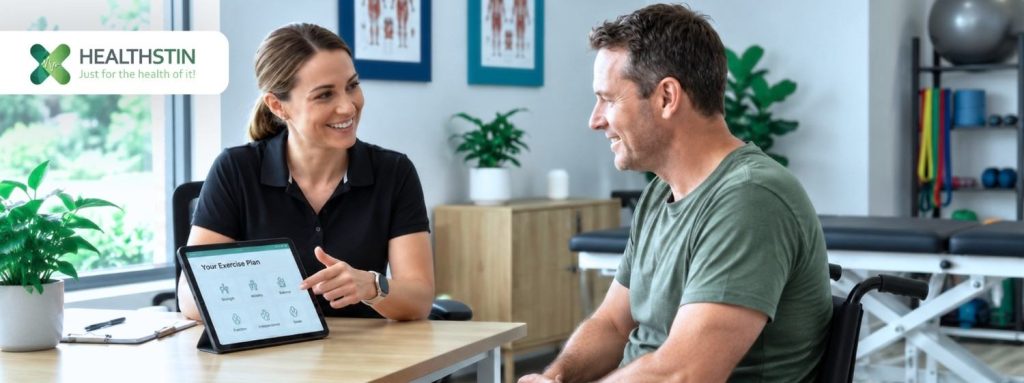
Living with Cerebral Palsy (CP) can bring unique challenges that affect movement, balance, and independence. But with the right support, it’s possible to improve strength, mobility, and confidence. That’s where NDIS Exercise Physiology for Cerebral Palsy makes a difference, helping individuals build physical skills and achieve greater control through tailored, evidence-based exercise programmes.
In this guide, we’ll explore the five key benefits of NDIS Exercise Physiology for individuals with Cerebral Palsy and how Healthstin’s team of Accredited Exercise Physiologists supports participants in achieving their goals. Whether you’re an NDIS participant, a carer, or a support coordinator, discover how the right exercise plan can enhance daily function and overall wellbeing.
Understanding Exercise Physiology for Cerebral Palsy
People living with Cerebral Palsy often experience challenges with movement, coordination, and muscle control—all of which can impact daily independence and overall wellbeing. Exercise Physiology plays a crucial role in helping individuals with CP overcome these barriers through tailored exercise programmes that build strength, confidence, and functional ability. Backed by evidence and supported by the National Disability Insurance Scheme (NDIS), this allied health service enables participants to move more effectively and live a fuller life.
What Does an Exercise Physiologist Do?
An Exercise Physiologist (EP) is a university-qualified allied health professional who designs and delivers individualised exercise programmes to improve physical function, health, and quality of life. In Australia, EPs are accredited by Exercise & Sports Science Australia (ESSA) after completing at least four years of tertiary education.
When supporting people with Cerebral Palsy, EPs create programmes that address specific movement difficulties, such as muscle stiffness, weakness, or balance issues, whilst promoting greater independence in daily tasks. According to one systematic review and meta-analysis study, structured and targeted exercise can help individuals with Cerebral Palsy:
- Enhance mobility and movement control
- Manage muscle spasms and reduce stiffness
- Perform everyday activities with greater confidence and ease
How Exercise Physiology Differs from Physiotherapy
Whilst both Exercise Physiologists and Physiotherapists work to improve movement and function, their approaches differ. Physiotherapists focus more on diagnosis, injury treatment, and manual therapy, whereas Exercise Physiologists specialise in long-term exercise programmes designed to build physical capacity, manage chronic conditions, and promote overall health.
For people with CP, this means a physiotherapist may help manage acute mobility or pain issues, whilst an EP guides ongoing, progressive exercise therapy that encourages sustainable improvements in strength, posture, and endurance.
Why It’s Covered Under the NDIS
The National Disability Insurance Scheme (NDIS) funds allied health services that help participants build independence, improve daily function, and enhance wellbeing. Exercise Physiology for Cerebral Palsy meets these goals by improving mobility, managing symptoms, and reducing long-term health risks.
Under NDIS Exercise Physiology services, participants can work with Accredited Exercise Physiologists (AEPs) who design personalised Cerebral Palsy exercise programmes to build strength, balance, and endurance. Research published in Developmental Medicine & Child Neurology shows that regular exercise therapy for neurological conditions can improve motor control and quality of life. Outcomes that align with the NDIS focus on capacity building and participation.
5 Key Benefits of NDIS Exercise Physiology for Cerebral Palsy
Engaging in regular, evidence-based exercise with the support of an Accredited Exercise Physiologist (AEP) can make a life-changing difference for people living with Cerebral Palsy. Here are five key ways that NDIS Exercise Physiology services help improve mobility, confidence, and overall quality of life.
-
Improves Strength, Balance, and Coordination
Tailored Cerebral Palsy exercise programmes help participants build muscle strength, enhance posture, and improve balance through safe, progressive movement training. By focusing on controlled resistance and functional exercises, Exercise Physiology for Cerebral Palsy helps individuals move more efficiently and with greater stability—essential for tasks like walking, standing, and transferring safely.
-
Boosts Independence and Daily Function
Exercise Physiology empowers NDIS participants to perform everyday activities with greater ease. Through consistent strength and mobility training, participants often notice improvements in tasks such as dressing, reaching, or transitioning from sitting to standing. These gains translate to enhanced independence and confidence in day-to-day living.
-
Enhances Mental Health and Confidence
Beyond physical improvement, regular exercise therapy for neurological conditions like Cerebral Palsy supports mental wellbeing. Studies show that physical activity can boost mood, reduce anxiety, and improve overall self-esteem. Working with a supportive Exercise Physiologist also fosters motivation, helping participants feel more capable and in control of their progress.
-
Reduces Pain and Spasticity
Many individuals with Cerebral Palsy experience muscle tightness or spasticity. Gentle stretching, Hydrotherapy, and guided mobility exercises can reduce stiffness, ease discomfort, and improve range of motion. These techniques also help minimise fatigue and make daily activities less physically demanding.
-
Supports Long-Term Health and Wellbeing
Regular NDIS Exercise Physiology sessions don’t just address immediate physical goals—they can also prevent secondary health issues such as obesity, cardiovascular disease, and joint pain. By staying active under professional guidance, participants maintain healthier energy levels and improve overall quality of life well into the future.
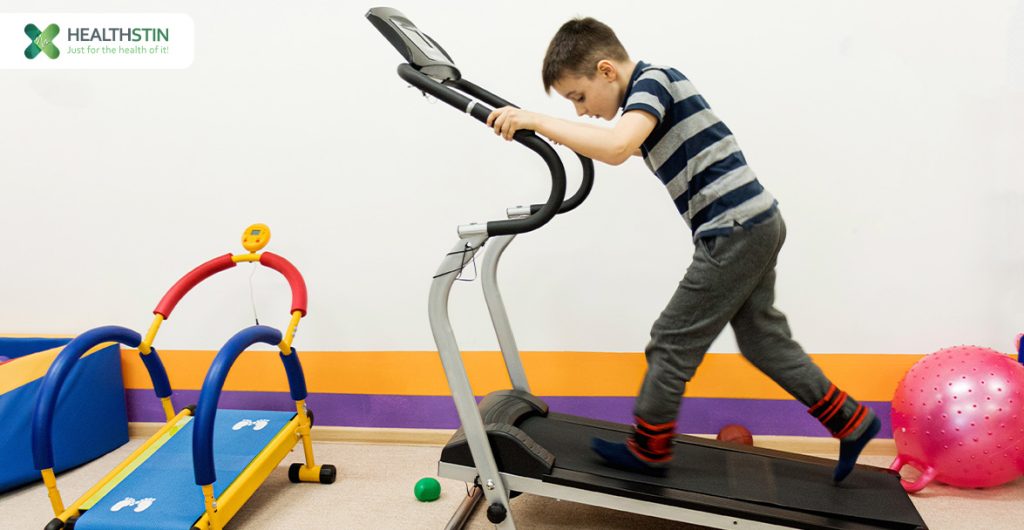
Why Choose Healthstin for NDIS Exercise Physiology
At Healthstin, our Accredited Exercise Physiologists (AEPs) design personalised, evidence-based programmes that help people with Cerebral Palsy move with greater confidence and independence. Each session is tailored to your NDIS goals, focusing on improving strength, coordination, and overall wellbeing.
As a registered NDIS provider in Australia, we offer flexible in-clinic, community, and home-based services. Our team works closely with families, carers, and other allied health professionals to ensure coordinated goal-driven care that supports lasting progress.
FAQs About Exercise Physiology for Cerebral Palsy
What age groups can benefit from NDIS Exercise Physiology?
Exercise Physiology for Cerebral Palsy can support people of all ages, from children developing early motor skills to adults maintaining mobility and independence. Programmes are adapted to each person’s age, ability level, and NDIS goals to ensure safe and effective outcomes.
How many sessions are usually needed?
The number of NDIS Exercise Physiology sessions depends on individual goals, progress, and funding allocation. Some participants see improvements within a few weeks, whilst others benefit from ongoing sessions to support long-term health, posture, and mobility. Your Accredited Exercise Physiologist will recommend a plan that suits your needs.
Is Exercise Physiology covered under my NDIS plan?
Yes. NDIS Exercise Physiology services are generally funded under the Improved Health and Wellbeing or Improved Daily Living categories. Participants can access sessions through self-managed, plan-managed, or NDIA-managed funding, depending on their plan type.
Book Your NDIS Exercise Physiology Therapy Session Today
Take the next step toward improving mobility, strength, and confidence with Healthstin’s team of Accredited Exercise Physiologists. Whether you’re an NDIS participant, a carer, or a support coordinator, we’re here to help you achieve your goals through safe, tailored exercise programmes.
Call 1300 090 931 or book your NDIS Exercise Physiology Therapy Session for Cerebral Palsy today to get started!
Let’s help you move better, feel stronger, and live more independently—one session at a time.
*Disclaimer: Results vary based on individual goals, health needs, and condition severity. Many clients report improvements, depending on their personalised programme and their level of consistency.