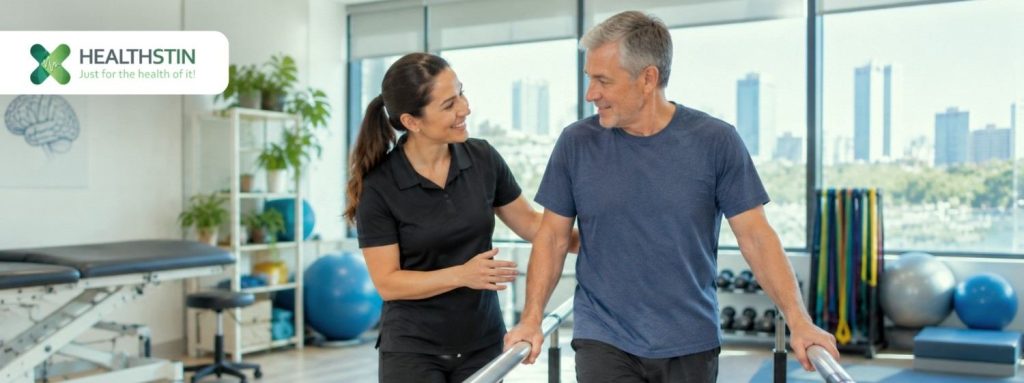
Stroke is one of the leading causes of disability worldwide, affecting over 15 million people annually, with nearly 5 million survivors left facing long-term challenges. In Australia alone, more than 27,000 strokes occur each year – approximately one every 19 minutes. Despite these alarming figures, research shows that up to 90% of strokes are preventable, and early intervention during recovery significantly improves outcomes. Rehabilitation plays a critical role in regaining mobility, independence, and quality of life after a stroke.
However, achieving these results requires professional guidance, as specialised therapies such as Physiotherapy, Hydrotherapy, and stroke-supportive programmes are tailored to individual recovery needs. We explore why working with experts is crucial in the journey toward recovery and highlights effective activities for stroke rehabilitation.
What is stroke rehabilitation?
Stroke rehabilitation involves a comprehensive program aimed at helping individuals recover from the physical, emotional, and cognitive impairments caused by a stroke. A combination of tailored stroke rehab exercises and therapies focuses on improving motor functions, enhancing balance, and restoring independence in daily activities.
The rehabilitation process starts soon after a stroke and often includes Physiotherapy, Occupational Therapy, Speech Therapy, and supportive care. Activities will vary based on the severity of the stroke and the individual’s specific needs.
Why Is rehabilitation after stroke important?
After a stroke, the brain undergoes a healing process, creating new pathways to compensate for the areas affected by the stroke. This process is known as neuroplasticity.
- The benefits of engaging in stroke rehabilitation activities include the following:
- Promotes neural recovery
- Prevents complications such as muscle stiffness and joint pain
- Restores functional independence
- Improves cardiovascular health, which is vital for preventing future strokes

Effective activities for stroke rehabilitation
| Activity | Description | Exercises/Benefits |
|---|---|---|
| Physiotherapy for Stroke Recovery | Physiotherapy is one of the most effective approaches to stroke recovery, as it targets mobility and muscle strength. | Stroke patients’ Physiotherapy exercises include:
Physiotherapists specialising in NDIS stroke support ensure that exercises align with an individual’s abilities and recovery goals. |
| Hydrotherapy for Stroke Rehabilitation | Hydrotherapy stroke rehabilitation involves using water-based exercises to enhance mobility and reduce muscle tension.
The buoyancy of water supports the body, making movements easier and less painful. |
Key benefits include the following:
Aquatic exercises, such as gentle walking in water or assisted leg movements, are especially beneficial for individuals with limited mobility. Hydrotherapy can complement traditional Physiotherapy by providing a low-impact alternative for recovery. |
| Aerobic Exercises for Stroke Patients | Aerobic activities improve cardiovascular health and help prevent future strokes. | Common aerobic exercises for stroke patients include:
These exercises increase heart rate, promoting better circulation and lung function. Supervision by a qualified therapist ensures safety and prevents the risk of exercise-induced stroke symptoms, such as dizziness or excessive fatigue. |
| Stroke Supportive Therapy | Beyond physical exercises, stroke supportive therapy addresses cognitive and emotional challenges. | Activities may include:
Integrating supportive therapies into the recovery process helps individuals regain confidence and independence. |
| Exercises for Stroke Patients at Home | Home-based exercises empower stroke survivors to take an active role in their recovery. | Some examples are:
These exercises require minimal equipment and can be performed safely under the guidance of a Physiotherapist. |

The role of the NDIS in stroke rehabilitation
The National Disability Insurance Scheme (NDIS stroke support) offers resources and funding for stroke rehabilitation.
- It provides access to essential services such as:
- Physiotherapy sessions
- Hydrotherapy programmes
- Equipment such as mobility aids
- Personalised care plans
Engaging in NDIS stroke rehabilitation ensures that individuals receive professional support tailored to their recovery needs. Families can also benefit from getting education and guidance, fostering a supportive environment at home.
Understanding exercise and stroke recovery
Regular physical activity is crucial for restoring strength and preventing complications. It is essential to balance effort with rest to avoid strain and hasten recovery.
One common question amongst stroke survivors is, “Why does stroke volume increase during exercise?” Stroke volume, the amount of blood pumped per heartbeat, rises as exercise strengthens the heart, improving circulation and oxygen delivery to the muscles.
ALSO READ: TIA vs Stroke: Crucial Differences and What They Mean for Your Health
Safety tips for stroke rehabilitation
| TIP | RATIONALE | STRATEGY |
|---|---|---|
| Consult health professionals | Health professionals can assess your unique needs, identify any risks, and develop a tailored plan to help you recover safely and effectively.
Their expertise ensures you’re performing the right exercises at the right intensity, reducing the risk of further injury and promoting optimal recovery. |
Always seek advice from a healthcare provider before starting any rehabilitation activity.
Before diving into any rehabilitation programme, it’s crucial to consult with a qualified healthcare provider such as a Physiotherapist, Exercise Physiologist, or doctor. |
| Monitor progress | Tracking your progress is vital for staying motivated and making necessary adjustments to your rehabilitation plan. | Regularly review your progress with your healthcare provider to ensure the programme remains effective and aligns with your recovery goals.
Keep a journal or use an app to record milestones such as improved mobility, reduced pain levels, or increased strength. |
| Stay hydrated | Hydration plays a key role in maintaining energy levels and ensuring your muscles and joints function optimally during physical activities. | Dehydration can lead to muscle cramps, fatigue, and reduced performance, so aim to drink water throughout the day, especially before, during, and after your rehabilitation sessions.
Consider electrolyte-rich beverages if your activities involve heavy sweating. |
| Avoid overexertion | Whilst staying consistent is important, pushing yourself too hard can lead to setbacks and prolonged recovery times.
Striking the right balance between effort and rest is key to achieving long-term success in your rehabilitation journey. |
Build rest days into your routine to allow your body time to heal and recharge.
Listen to your body’s signals – such as fatigue, sharp pain, or dizziness – and take breaks as needed. |
Stroke rehabilitation is a multi-faceted journey that involves physical, emotional, and cognitive recovery. Activities such as stroke exercises, Hydrotherapy, and supportive therapies play a vital role in rebuilding independence and enhancing quality of life. Programmes like NDIS stroke support, Aged Care Home Care Package (HCP), and Commonwealth Home Support Programme (CHSP) provide the necessary resources to ensure comprehensive care.
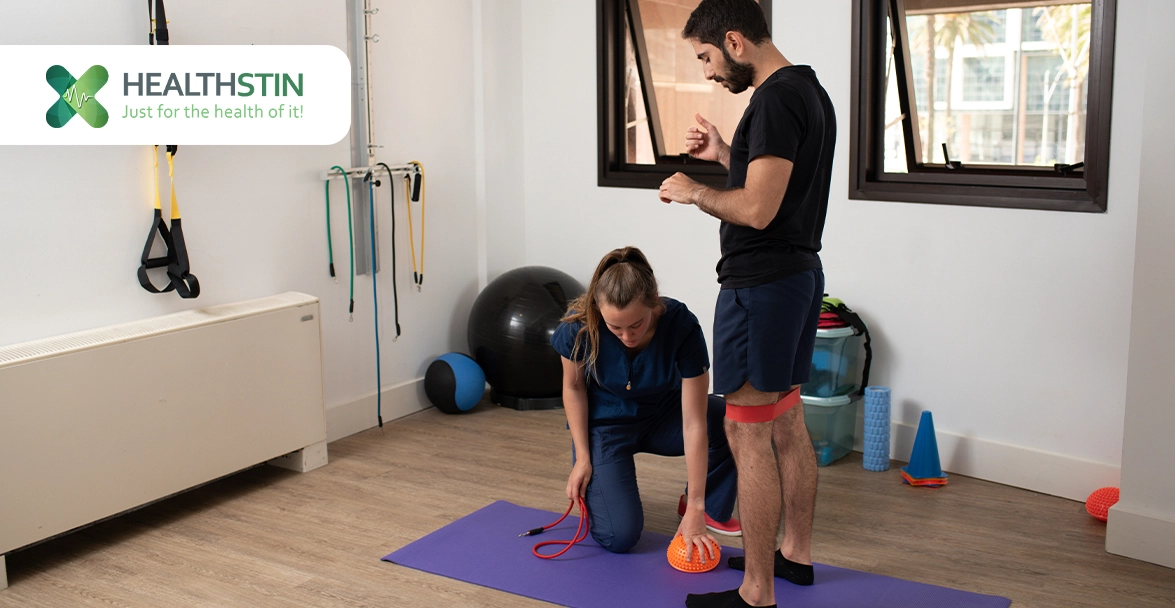
Stroke Supportive Therapy of our Experts
At Healthstin, our skilled Physiotherapists and Exercise Physiologists collaborate closely, employing a multidisciplinary approach to provide support to stroke survivors so they can recover, regain optimal health, and enhance their independence.
As an accredited Allied Health Provider for the NDIS, Aged Care Home Care Package (HCP) and Commonwealth Home Support Programme (CHSP), Healthstin has the track record and experience to support the health needs of a diverse population including those living with neurological conditions. These include NDIS stroke support and CHSP services.
With the right combination of professional guidance and personalised exercises, our Exercise Experts can help stroke survivors regain control over their lives and achieve significant milestones in their recovery journey.
Call 1300 090 931 or click this link to learn more or book a session.