After illness, injury, ageing or disability, everyday tasks like showering, dressing and cooking can get harder. If these challenges are not addressed, they can affect your confidence and independence. An activities of daily living assessment shows where you need support, and therapies like physiotherapy, exercise physiology and Hydrotherapy can help you regain strength, mobility and balance. You may be able to access NDIS, Support at Home or DVA funding.
What Are Activities of Daily Living (ADLs)?
Activities of daily living (ADLs) are the basic self-care tasks a person needs to manage each day to look after themselves. They include showering, dressing, eating, using the toilet, and moving around safely. Clinicians use the term to describe how much help someone needs and where that help matters most. You may also see the phrase “daily activities of living” which means the same thing.
They matter because they show what real life is like, something a scan cannot do. For example, someone might have a knee X-ray that looks bad but still garden every weekend. Someone else might have a minor-looking injury but struggle to get off the toilet alone.
ADLs and independence go hand in hand. When people have trouble with daily tasks, they often move into supported accommodation or aged care earlier than they expected. It is also a common reason why family carers feel overwhelmed.
Assessment is usually carried out by an occupational therapist, physiotherapist, nurse or accredited exercise physiologist, depending on the setting and funding.
Examples of Basic Activities of Daily Living
These are the activities of daily living examples that most Australian clinicians and funding bodies work from. Take the list to your next GP appointment or plan review and mark it honestly.
Personal Hygiene and Grooming
Personal care activities begin here, and the barriers are usually specific. It isn’t that someone can’t wash. It’s that they can’t stand long enough, reach behind their back, or step over a bath edge safely.
- Showering, drying off and applying moisturiser
- Brushing teeth and managing dentures
- Washing and brushing hair, shaving and nail care
Dressing
Dressing draws on balance, shoulder movement, hand strength and stamina at once. Most people manage tops and come unstuck below the waist.
- Choosing clothing suitable for the weather and the day ahead
- Putting on and taking off tops, trousers, and underwear
- Handling buttons, zips, bra clasps, socks, and shoes
Eating and Feeding
This means getting food from the plate to the mouth and swallowing safely. Cooking is listed in the instrumental group below. Look out for coughing during meals, a wet or gurgly voice after eating, or quietly avoiding certain textures. These signs mean a medical or speech pathology review is needed.
- Cutting food and using cutlery
- Holding cups and drinking without spilling
- Sitting up straight and eating at a steady pace to make swallowing safe
Toileting
This includes getting to the toilet on time, sitting down and standing up, handling clothes, and cleaning yourself. People rarely talk about this on their own, but it often affects whether someone feels safe living alone. Talk about it anyway. Clinicians hear about it every day.
Mobility and Transfers
Mobility and balance sit underneath nearly every other task on this page. Improve them, and several ADLs tend to improve together, which is why they’re often the first target.
- Walking indoors and on uneven ground outside
- Standing up from a chair, bed or toilet unaided
- Rolling over and getting in and out of bed
- Managing steps, kerbs and door thresholds
What Are Instrumental Activities of Daily Living (IADLs)?
Instrumental activities of daily living are the more complex tasks that let you run a household and take part in your community. You can get by without them for a week, but not long term, which is why they’re often the first thing to slip and the last thing anyone mentions.
| Basic ADLs | Instrumental ADLs (IADLs) | |
| What they cover | Looking after your own body | Running a household and staying connected |
| Examples | Showering, dressing, toileting, eating, transfers | Shopping, cooking, medications, transport, finances, cleaning |
| Usually affected | Later, as difficulty progresses | Earlier, often the first warning sign |
| Typical support | Physiotherapy, occupational therapy, personal care workers | Occupational therapy, support workers, family, community services |
Shopping
Planning what’s needed, getting there or ordering online, carrying bags and putting them away. Standing tolerance and fatigue cause more trouble here than walking distance.
Meal Preparation
Opening packaging, chopping, lifting a full pot, standing at a bench and handling a hot oven safely. Skipped meals and a freezer full of ready meals are early signals.
Medication Management
Remembering doses, opening blister packs, ordering repeats and keeping it straight when several prescribers are involved. If this is the sticking point, ask your pharmacist about a dose administration aid.
Transportation
Driving, public transport, or community transport. Giving up a licence changes far more than how you get around. It changes how often you see people.
Managing Finances
Paying bills, banking, budgeting a plan or package, and recognising scams. This leans on thinking and memory more than physical ability, so support looks different.
Household Tasks
Cleaning, laundry, rubbish and yard maintenance. Bending, kneeling and overhead reaching are the usual limiting factors, along with stamina.
Struggling with Everyday Activities?
If showering has become a two-handed operation, if you’ve stopped cooking properly, or if getting out of a low chair takes three attempts, that’s worth acting on rather than adapting around. Difficulty with daily tasks is common, and it’s frequently modifiable. Physiotherapy and exercise physiology both target the strength, balance and endurance problems behind it.
You don’t have to commit to a programme to find out where you stand. Our free 10-minute consultation is a short phone conversation about what’s changed and whether a formal assessment would be useful. If you’re funded through the NDIS, aged care or DVA, there’s a longer free 30-minute option that covers how your funding can be used.
Get a functional assessment with Healthstin and find out what allied health support could realistically change. Schedule an appointment online if you already know what you need.
Why Activities of Daily Living Matter
Beyond the practical inconvenience, how someone manages daily tasks is a reasonable proxy for how life is actually going.
- Managing your own morning routine is the difference between choosing your day and waiting for it to be organised for you.
- A single fall in the bathroom can limit someone’s life to just two rooms, even if they heal from the injury quickly.
- Community participation. Getting dressed and leaving the house opens the door to appointments, family meals, volunteering, and work.
- Falls and injury. Falls are the leading cause of injury hospitalisation among older Australians, with rates climbing steeply after 85, according to the Australian Institute of Health and Welfare. Balance, leg strength and safe transfers are exactly what daily tasks depend on.
- Quality of life. Privacy in the bathroom and a meal you cooked yourself are not small things.
- Sustainable care at home. Every task a person manages themselves is one less on a partner or adult child already juggling other roles.
Conditions That Can Affect Activities of Daily Living
Almost any condition affecting strength, movement, sensation, stamina or thinking changes how you manage daily tasks. These are among the most common reasons Australians seek rehabilitation services.
Stroke
Weakness on one side, changes in sensation, vision problems, and fatigue often make it harder to dress, move, and walk. Recovery can last much longer than just a few months, so it helps to review your goals regularly instead of setting them only once. For more information, see Healthtin’s stroke rehabilitation.
Multiple Sclerosis
Fatigue, heat sensitivity and balance changes fluctuate week to week, which makes pacing as important as strengthening. Check our multiple sclerosis support.
Parkinson’s Disease
Slowness of movement, freezing, tremor, and reduced arm swing affect safe dressing, eating, and turning at home. Cued and large-amplitude exercise approaches are widely used.
Cerebral Palsy
Muscle tone, coordination, and posture influence daily activities throughout life. As adults age, fatigue and joint pain can change their needs. Explore Healthstin’s cerebral palsy page.
Arthritis
Pain, stiffness, and weaker grip can make it harder to use fasteners, open jars, climb stairs, or get up from the floor, especially in the morning. See our arthritis care.
Intellectual Disability
Supporting someone with an intellectual disability often involves helping them learn routines, break tasks into smaller steps, and build both physical abilities and skills. Have a look at our intellectual disability support.
Age-Related Mobility Decline
As we get older, our muscles can become weaker if we do not stay active. Healthy ageing means keeping enough strength so a hard week does not take away your independence.
How Are Activities of Daily Living Assessed?
A daily living assessment usually involves talking and watching how you do things. You’ll likely be asked about your typical day and then asked to show a few tasks. This helps the clinician see what really happens, not just what you think happens. The difference between the two is often the most helpful information.
There are also standard tools used in these assessments. The Barthel and Katz indexes measure basic self-care tasks, whilst the Lawton IADL Scale looks at more complex daily activities. Physical tests like the Timed Up and Go, a 30-second sit-to-stand, or a check of walking speed yield scores that can be rechecked in the future.
Goals are then written in your own words, not clinical ones. “Walk to the letterbox and back without stopping” is a goal. “Improve lower limb strength” is a means to it. Funded programmes generally require goals to be specific and measurable, making progress easier to see. Reassessment usually happens every few weeks to a few months. If nothing is shifting, that’s information too, and the programme should change rather than continue.
How Allied Health Professionals Help Improve ADLs
Improving activities of daily living rarely comes down to one profession. Most plans combine two or three, with the mix changing as you progress. The NDIS allows a multidisciplinary team to work together towards your goals, though it won’t fund two therapists on the same goal.
Physiotherapy
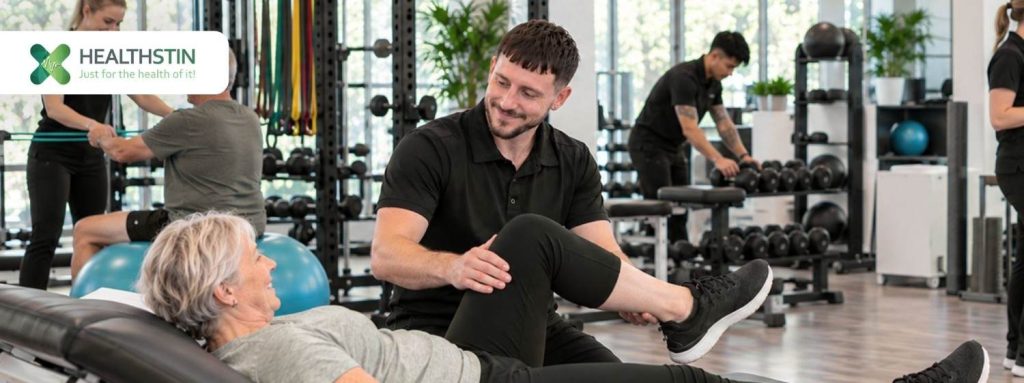
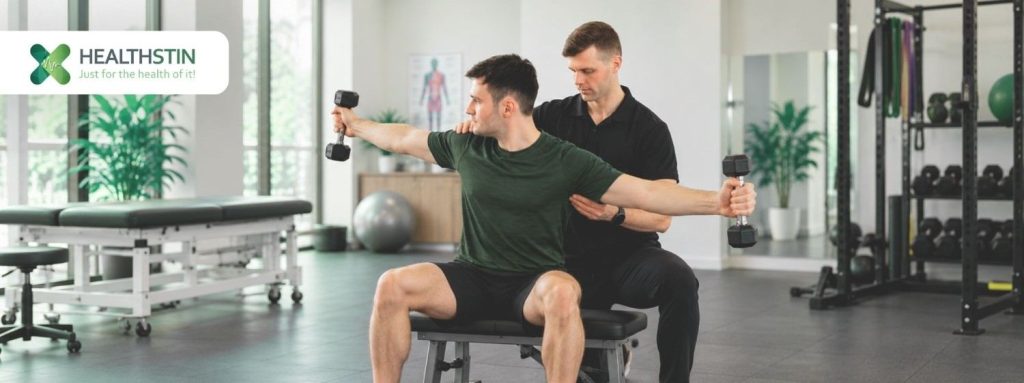
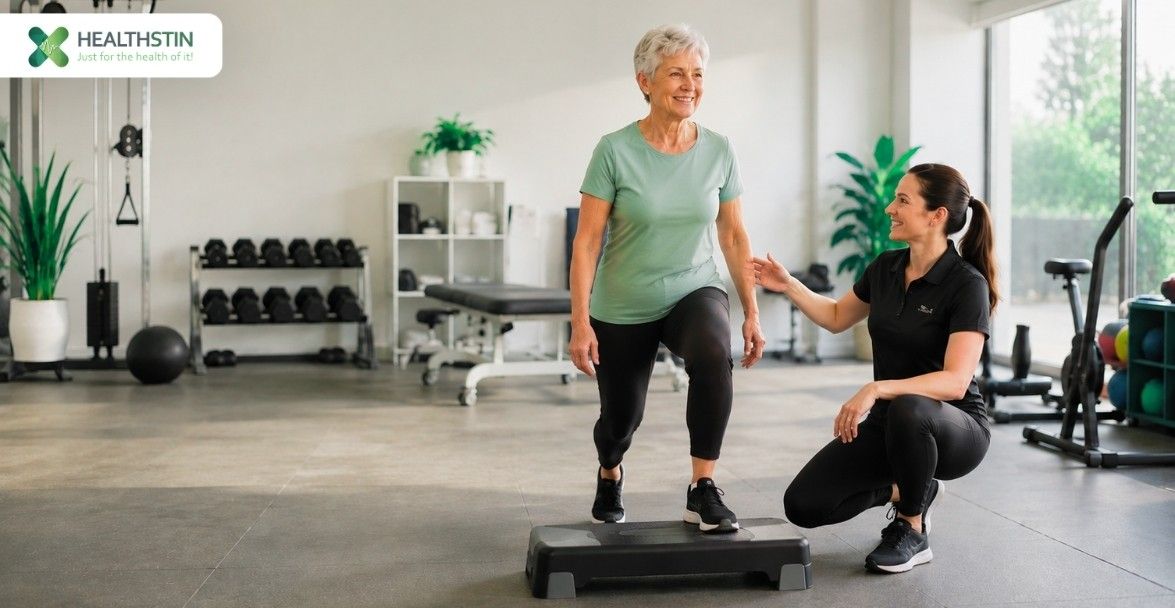
Physiotherapy focuses on improving strength, joint mobility, walking, and transfers. Sessions usually include a hands-on assessment, a home programme, and step-by-step practice with tasks you find challenging, like getting up from a chair or going up a step.
- Building strength for standing up, climbing stairs, and carrying things
- Improving balance and lowering the chance of falling
- Using walking aids and learning safe ways to move around at home
Exercise Physiology
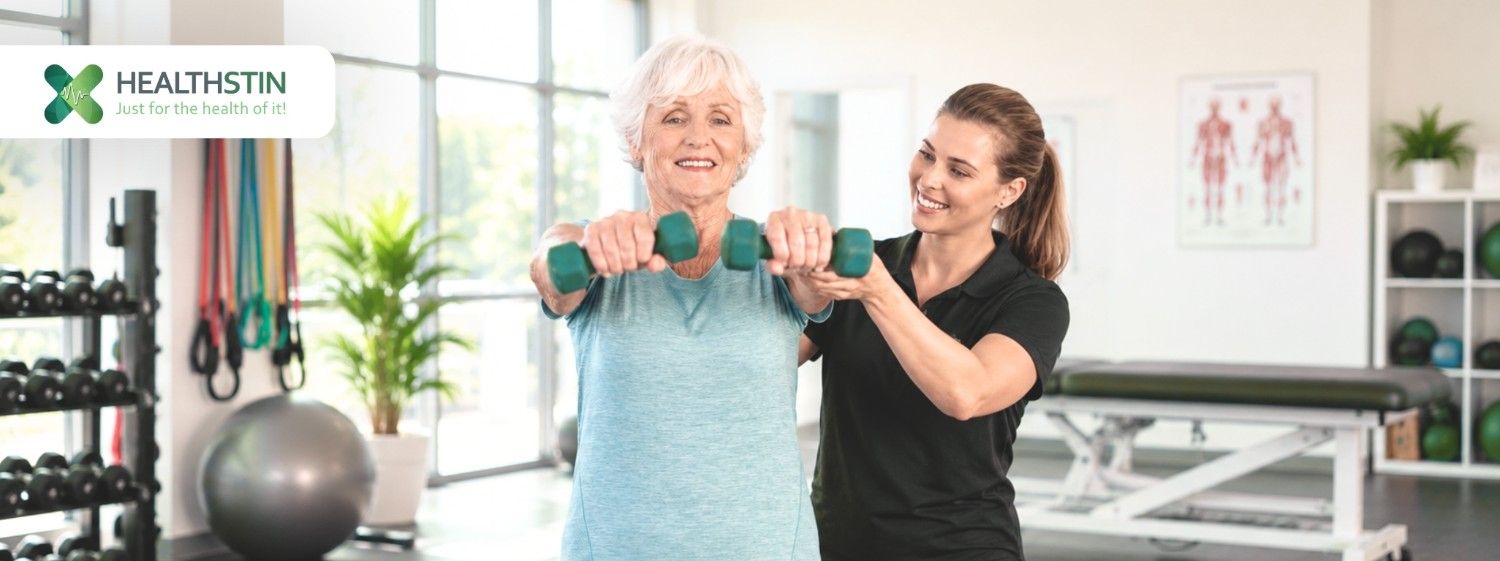
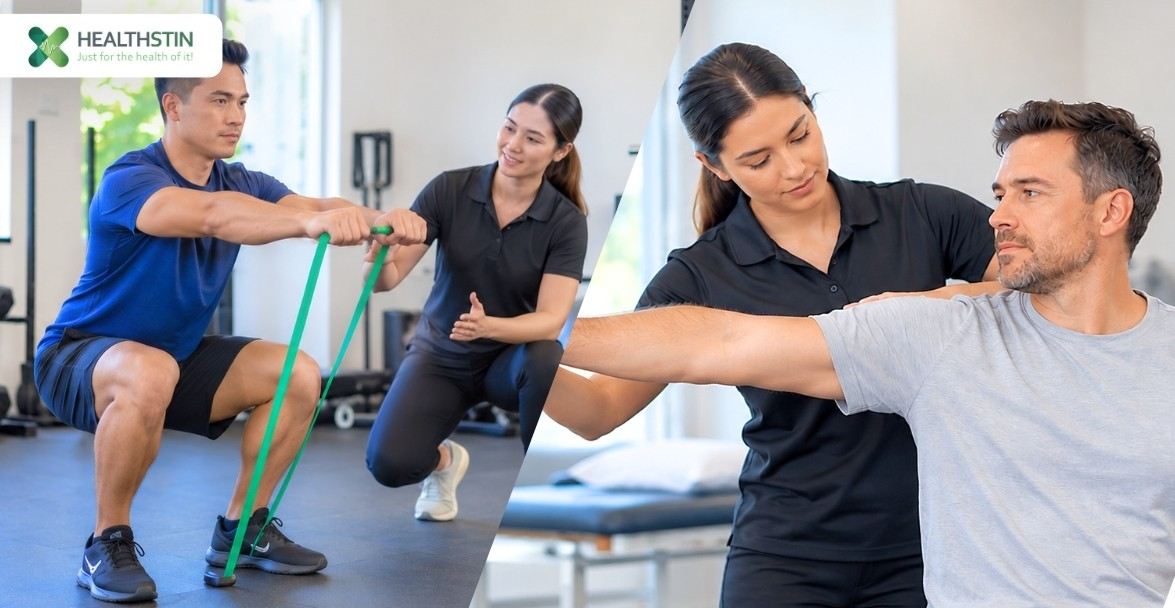
Accredited exercise physiologists prescribe exercise to manage chronic conditions and long-term disabilities. Exercise physiology emphasises endurance, progressive loading, and the maintenance of a consistent routine between appointments to achieve lasting benefits.
- Functional exercise programmes built around your daily tasks
- Endurance development and fatigue management
- Programmes that transfer to home, gym or community
Hydrotherapy
Warm water takes the load off painful joints and gives resistance in every direction. A Cochrane review of aquatic exercise for hip and knee osteoarthritis found moderate-quality evidence of small short-term gains in pain, disability and quality of life. That makes Hydrotherapy a sensible option rather than a miracle one, and a good place to start when land-based exercise is too painful.
Remedial Massage Therapy
Remedial massage therapy can ease the pain and tightness that gets in the way of moving, alongside an active programme rather than in place of one.
Where someone needs equipment prescribed, home modifications assessed, or retraining in a self-care technique, that work falls under occupational therapy.
Funding Support for ADL Improvement
Many people put off getting help because of the cost. There are several funding options for allied health and daily living goals, but each has its own eligibility rules.
| Funding Stream | Who It’s Generally For | How Allied Health Is Usually Accessed |
| NDIS | Under 65 with permanent, significant disability | Capacity Building budget, Improved Daily Living category |
| Support at Home (formerly Home Care Packages) | Older Australians assessed through My Aged Care | Clinical care category, arranged through your provider |
| DVA | Veteran Gold and White Card holders | GP referral under the allied health treatment cycle |
| Workers compensation and CTP | People injured at work or on the road | Insurer approval, usually via your treating doctor |
| Private and Medicare | Anyone, subject to cover and eligibility | Self-referral, private health extras, or GP care plan referral |
NDIS Funding
NDIS activities of daily living support can help participants build the skills, strength and confidence needed to manage everyday tasks more safely, such as showering, dressing, meal preparation, moving around the home and taking part in the community. Rather than simply doing tasks for someone, the right allied health plan should focus on practical goals that increase independence over time, whether that means improving balance for safer transfers, building stamina for household routines, learning new ways to complete personal care, or identifying equipment that makes daily life easier. For many participants, this support sits within Capacity Building funding and should clearly connect to the goals in their NDIS plan.
NDIS funding is for people under 65 who have a permanent and significant disability. Therapy is usually included in the Capacity Building budget under Improved Daily Living. The NDIS treats this as a stated support, which means the funding must be used for this purpose. Whether you get funding depends on the reasonable and necessary criteria and your plan goals, so approval is not guaranteed. For more details, visit Healthstin’s NDIS services page.
Home Care Packages
The Support at Home programme replaced Home Care Packages on 1 November 2025. Allied health is now part of the clinical supports category, which the Australian Government fully funds, so you do not need to pay for it. However, means-tested fees still apply to independence and everyday living services. To get started, you need an assessment through My Aged Care. If you had a package before the change, No Worse Off protections apply. For more information, see Healthstin’s aged care funding page.
DVA Allied Health Services
Veteran Gold and White Card holders can access physiotherapy and exercise physiology with a valid GP referral. Under the DVA treatment cycle, a referral covers up to 12 sessions or one year, whichever ends first, with no cap on how many cycles a GP can authorise, provided treatment remains clinically necessary. Gold Card holders are covered for all conditions; White Card holders for accepted conditions only. Healthstin has a guide to accessing DVA physiotherapy.
Private Health Options
Private health extras, GP-referred chronic condition management plans through Medicare, Workers’ Compensation and CTP schemes, and self-funded appointments all remain available. Rebates, gap fees and session limits vary, so check the specifics before you book.
Practical Tips for Maintaining Independence in Daily Activities
None of this requires an overhaul. What holds independence together is mostly unglamorous and repeatable.
- Keep moving, and make some of it hard. Gentle walking maintains a little. Progressive strength and balance work maintains far more. Staying active is the best protection for the abilities daily tasks draw on.
- Fit the home to the person. Grab rails near the shower and toilet, a shower stool, non-slip mats, better night lighting on the path to the bathroom, and clear floor space. Most falls at home happen on the level, not on stairs.
- Use equipment early, not as a last resort. A long-handled shoehorn or a shower chair isn’t a defeat. It keeps energy available for the parts of the day you care about.
- Act early, and start the paperwork in parallel. Three months of gradual decline is easier to reverse than three years of it. Assessments, referrals and plan reviews all take time, so begin them whilst you’re still managing, not in the week after a fall.
- Keep your providers talking. Ask your clinicians to share reports with your GP, support coordinator or care partner. Coordinated allied health care is associated with better functional outcomes than the same services delivered in isolation.
Why Choose Healthstin for Functional Independence Support?
Functional independence is the point of the work rather than a by-product, and Healthstin’s model is built around that.
- A multidisciplinary team of physiotherapists, accredited exercise physiologists and remedial massage therapists working to shared, written goals
- Services delivered where they’re most useful: at home, in the community, in the clinic, in the gym, or by telehealth
- Experience across NDIS, aged care, DVA, and Workers’ Compensation funding, including the paperwork that comes with each
- Goal-focused rehabilitation planning tied to your actual daily tasks, with measures you can watch change
- Clinics across several states, plus mobile and community-based services. Healthstin clinics are located in:
- Sans Souci, NSW – serving southern Sydney
- Hurstville, NSW – easy to reach for the St George community
- Salisbury and Elizabeth, SA – serving Adelaide’s northern suburbs
- Brimbank and Melton, VIC – serving Melbourne’s west
- Belmont, WA – with mobile appointments available in this area
More on the approach is on the Why Choose Us page.
FAQs About Activities of Daily Living (ADLs)?
1. What are Activities of Daily Living?
Activities of daily living are the basic self-care tasks a person completes each day: showering, dressing, grooming, eating, toileting, and moving around safely. Health professionals use them as a practical measure of how much support someone needs.
2. What is the difference between ADLs and IADLs?
Basic ADLs cover looking after your own body. Instrumental ADLs cover the tasks that keep a household running: shopping, cooking, medications, transport and finances. IADLs usually become difficult first, which makes them a useful early warning.
3. Who assesses Activities of Daily Living?
Occupational therapists, physiotherapists, exercise physiologists, nurses and aged care assessors all assess ADLs, depending on setting and funding. For NDIS and aged care purposes, a written report from a qualified allied health professional is generally required.
4. Can physiotherapy improve ADLs?
Physiotherapy can help with the strength, balance, joint movement and transfer technique many daily tasks rely on, and gains there often carry over into everyday function. Results vary between individuals and depend on the underlying condition, so your physiotherapist should set expectations at assessment.
5. Are ADL assessments covered by NDIS?
Assessment can be funded under Capacity Building supports where it meets the NDIS reasonable and necessary criteria and relates to your plan goals. Funding is decided case by case and is never guaranteed. Your plan manager or support coordinator can confirm what your plan allows.
6. How can older adults maintain independence?
Regular strength and balance exercise, a home set up to reduce falls risk, early use of assistive equipment, and prompt review when something changes all help. Support at Home funds allied health as clinical care with no participant contribution, so cost need not be the barrier it was.
Take the First Step Toward Greater Independence
Getting dressed without sitting down halfway through. Showering without planning it around who’s home. Cooking a proper meal again. These are the goals allied health programmes are built around, and they’re specific enough to measure.
Book an assessment online, and you’ll start with a proper look at what you’re managing, what you’ve been avoiding, and what’s driving the difficulty. From there, your clinician builds a personalised plan around your goals, your funding, and where you’d rather be seen: at home, in the community, in clinic or by telehealth.
Speak with Healthstin’s allied health team to create a personalised plan that supports your independence. You may call 1300 090 931, or contact us with a question first. GPs, support coordinators and case managers can use the referral form.
Disclaimer: This article is for general information only and does not replace personalised medical or allied health advice. It may not consider your specific situation. Please talk to your GP or a qualified allied health professional before starting any new exercise or rehabilitation programme, especially if you have a heart, lung, or neurological condition, or if you have had a recent injury or surgery. Funding rules for the NDIS, Support at Home, DVA, and Workers’ compensation can change, and eligibility is assessed on a case-by-case basis.