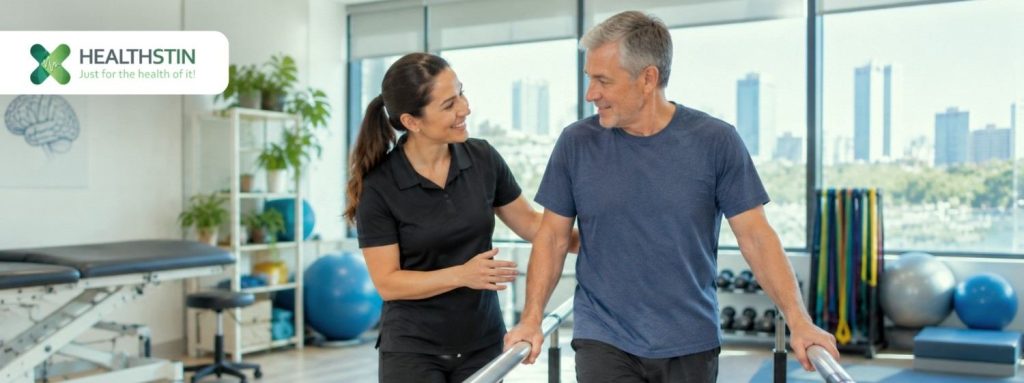
Living with the long-term effects of military service can take a heavy toll on both your mind and body. For many Australian veterans, the mental weight of PTSD or past trauma also causes exhausting physical symptoms. Dealing with constant body aches, always feeling on edge, and having tight, locked muscles can become a brutal daily reality that standard medical treatments don’t always fix.
These physical issues can ruin your sleep, make simple daily movements painful, and take the joy out of life. Traditional talking therapies are incredibly important for mental health. However, they usually focus only on the mind, leaving the physical body out of the picture. This can leave you feeling disconnected or trapped in a never-ending cycle of physical stress.
Fortunately, working on your physical body offers a practical way forward. When done in a safe, supportive way that respects your past experiences, massage therapy for PTSD veterans serves as a valuable tool for long-term recovery. It targets deep physical pain and nervous strain in a gentle, collaborative manner where you are always in control.
Understanding PTSD and Trauma in Veterans
Trauma does not just sit in your thoughts and memories; it locks itself deep inside your physical body and changes how your system reacts. When you go through high-stress situations or severe trauma during your service, your body goes straight into survival mode. This overwhelms your system with stress hormones like cortisol and adrenaline to keep you alive during a crisis.
Normally, your internal alarm system resets once you are safe. However, for veterans living with PTSD, that danger alarm stays switched on all the time. This constant state of readiness causes ongoing muscle tightness—especially in your shoulders, upper back, neck, and jaw—as your body automatically gets ready to defend itself against danger.
Holding your body tense like this changes your posture, stops you from taking deep breaths, and leads to stubborn, widespread pain. This catches your brain and body in a non-stop loop: the physical tightness tells your brain you are in danger, and that mental stress causes your muscles to tighten up even more. This makes it incredibly hard to find a true sense of physical peace.
How Massage Therapy Can Support PTSD Recovery
Addressing the physical side of military trauma requires a clinical approach that directly and safely interacts with the body’s protective mechanisms. Clinical soft tissue work modifies the trauma feedback loop by sending clear, calming signals of safety directly to the central nervous system.
Reduces Muscle Tension: The systematic, careful manipulation of soft tissue actively breaks down tight muscle fibres, easing the guarded, defensive postures that many veterans adopt over years of hypervigilance.
Promotes Relaxation: As deep physical constriction lessens, the body can step down from its protective stance, allowing a genuine feeling of relaxation to surface.
Supports Nervous System Regulation: Targeted, predictable touch assists directly with Nervous system regulation, helping to shift the body away from the sympathetic ‘fight-or-flight’ state and into the parasympathetic ‘rest-and-digest’ mode. This crucial transition slows down an elevated heart rate, encourages deeper respiration, and lowers circulating stress hormone levels.
Supports Sleep Quality: Calming an overactive nervous system paves the way for much deeper, restorative rest, helping to break the cycle of insomnia and nighttime agitation.
What Is Trauma-Informed Massage Therapy?
For a veteran who experienced trauma, hearing loud sounds or touching can be overwhelming or invasive to their senses. A trauma-sensitive care clinic completely changes this experience by putting you in the driver’s seat. It ensures that your control and clear consent form the foundation of every single session.
Every single aspect of a treatment is collaborative. The veteran remains the primary decision-maker regarding their positioning, the level of pressure used, and which areas of the body are addressed or avoided. Practitioners focus on establishing a completely safe therapeutic environment where there are no sudden surprises, and precise boundaries are explicitly discussed and agreed upon before any physical contact begins.
We talk with you throughout your entire visit, and you always have the power to change, pause, or completely stop the treatment at any time—no explanations needed. Because everything is open and predictable, we can take things as slow as you like, building trust over time at a pace that feels completely comfortable and safe for you.
You Deserve Care That Feels Safe > Take back control of your physical wellbeing in a clinical environment developed around your comfort, choice, and personal boundaries.
Speak to Our Veteran Support Team Today
Benefits of Massage for Veterans with PTSD
Adding structured massage to your regular recovery plan brings growing benefits for your long-term health. By tackling recovery from both sides—the mind and the body—you can find lasting relief from stubborn symptoms that traditional treatments often miss.
1. Reduces Physical Tension
Years of carrying heavy gear, constantly ready for immediate dispatch and dealing with stress leave lasting marks on your body. By tensing up, your muscles to tighten. Over time, this leads to chronic painful knots and stiff joints. Through focused soft tissue work, massage therapy for PTSD veterans releases these deep knots, helping healthy blood flow return to tight muscles. Easing this physical tightness helps lower your overall pain, making daily movements smoother and much less exhausting.
2. Supports Mental Relaxation
When your mind is trapped in a loop of unwanted memories, flashbacks, or feeling constantly on edge, finding a way to calm down can be incredibly hard. The steady, predictable touch of a trauma-informed massage gives your body a safe point to focus on. This physical experience helps your brain slow down its racing thoughts, providing much-needed stress and anxiety relief muscle tension and pain ease that standard settings might miss. It gives you a rare window of quiet where you can safely let your guard down.
3. Supports Sleep Quality
Insomnia, night terrors, and fractured sleep are classic hallmarks of combat-related trauma. A body in a state of survival cannot enter the deep, restorative phases of sleep required for neurological healing. By lowering cortisol levels and stimulating the production of serotonin and melatonin, manual therapy helps prepare the physical body for rest. Veterans often report falling asleep more easily and experiencing fewer nocturnal awakenings following a session.
4. Enhances Body Awareness
Trauma often causes people to tune out or feel disconnected from their own bodies as a way to deal with emotional or physical pain. When you lose this connection, it is easy to miss early warning signs of stress or injury until they become severe. Soft tissue therapy helps repair these broken pathways through safe, predictable touch. By learning what it feels like to experience relaxed or comfortable sensations again, you can rebuild a positive, grounded connection with your body.
5. Complements Other Therapies
Rehabilitation is rarely a single-track journey. When an individual is undergoing psychological counselling or trauma-focused cognitive behavioural therapy, the emotional processing can temporarily heighten physical anxiety and tension. Utilising clinical bodywork alongside psychological care provides a physical release valve for that emotional stress. This combined focus accelerates overall mental and physical recovery, making it easier to engage fully with every aspect of a rehabilitation plan.
Is Massage Therapy Safe for Trauma Survivors?
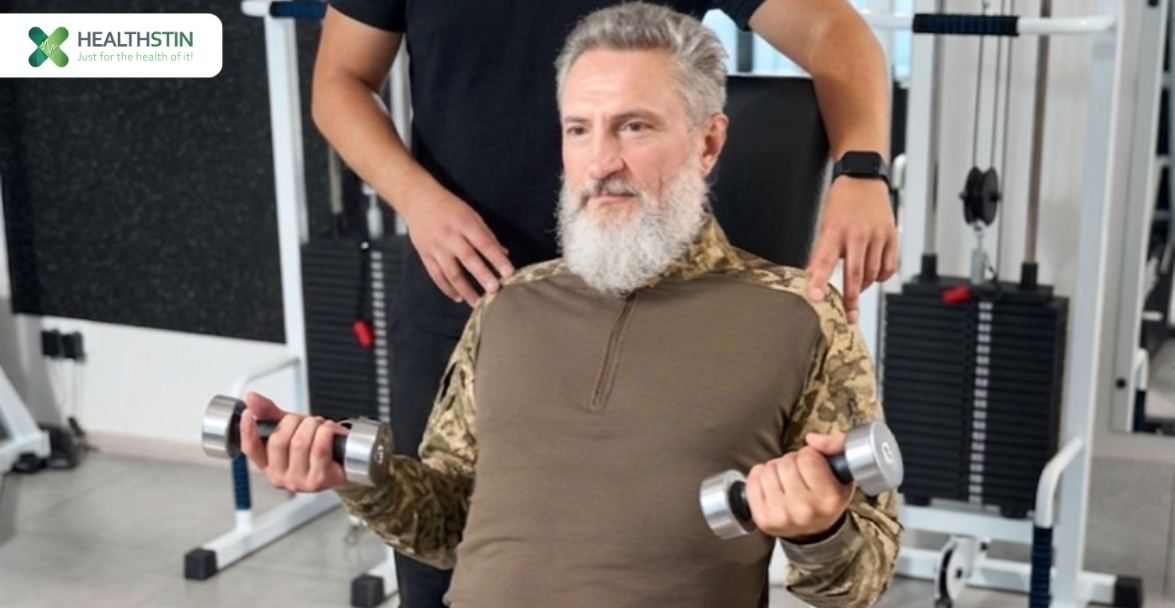
When considering massage therapy for PTSD veterans, it is entirely normal to feel a degree of hesitation or vulnerability before your first appointment. The thought of undressing, being touched, or being in a quiet room with a practitioner can understandably trigger feelings of apprehension for someone who has survived trauma.
However, massage becomes a safe therapy when it is done with a proper, trauma-informed approach. The key is working with qualified, trained professionals who truly understand how trauma affects the body and who fully respect your personal boundaries.
Because of this, your treatment is completely tailored to fit your comfort levels. If you prefer to stay fully clothed, get your treatment while sitting in a chair, or avoid certain parts of the body entirely, those choices are built right into your plan—no questions asked and no judgment.
How Massage Fits into a Broader Recovery Plan
True healing requires looking at the entire individual rather than treating complex symptoms in isolation. A holistic rehabilitation framework recognises that physical injuries, chronic pain, and mental health challenges are deeply intertwined and affect one another constantly.
[Mental Health Support] <—> [Clinical Massage] <—> [Physiotherapy & Exercise]
For example, clinical massage works hand in hand with physiotherapy to support joint alignment and reduce localised pain, allowing the veteran to participate more comfortably in exercise physiology frameworks aimed at rebuilding strength and endurance. When these physical modalities are carefully paired with ongoing mental health support, they build a robust foundation for sustainable health, making certain that every facet of the veteran’s well-being is addressed simultaneously.
How DVA Supports Massage and Rehabilitation Services
The Department of Veterans’ Affairs (DVA) knows how much proven physical therapies help the health of those who have served Australia. If you hold a DVA Gold Card or an approved White Card, you can access funded treatments like physiotherapy and exercise physiology. These treatments frequently include hands-on massage techniques as part of your overall care plan.
Accessing these services involves a straightforward referral pathway:
Schedule an appointment with your General Practitioner (GP).
Discuss your physical symptoms, trauma history, and how rehabilitation could assist your recovery.
Request a D904 referral form directed to an approved provider.
Once approved, these covered services are delivered with no out-of-pocket costs to the eligible veteran, removing financial barriers to essential clinical care.
How Healthstin Supports Veterans with PTSD
At Healthstin, we are dedicated to providing a welcoming environment focused on care and built around the unique experiences of the veteran community. Our clinical team works with a clear understanding of trauma-informed care, making sure that your comfort, your choices, and your peace of mind form the foundation of every single visit.
We offer integrated rehabilitation services that combine the strengths of physiotherapy, exercise physiology, and soft-tissue care under one roof. This allows us to craft deeply personalised treatment plans that respect your individual history and move entirely at your pace. Within our supportive clinical environment, you are never pressured; instead, you are an active partner in your own recovery journey.
Frequently Asked Questions
Does DVA cover massage therapy?
At Healthstin, we focus on providing a welcoming, caring environment built around the experiences of veterans. Our team operates with a clear understanding of trauma-informed care, making sure that your comfort, your choices, and your peace of mind form the foundation of every single visit.
What if I feel uncomfortable during treatment?
Your comfort and sense of safety are the absolute priorities. You retain full control over the session at all times. If you feel uncomfortable, anxious, or wish to stop the treatment for any reason, you can communicate this to your practitioner immediately, and the session will be paused or adjusted to your liking without hesitation.
How often should I have sessions?
How often you come in depends entirely on your personal treatment plan, physical condition, and goals. Some veterans find it helpful to have weekly sessions when they first start their recovery, while others switch to fortnightly or monthly check-ins once their symptoms begin to settle down.
Can massage replace other treatments?
No, bodywork is intended to be a supportive modality that works alongside your existing medical and psychological care plans. It acts as a physical component of a broader, interdisciplinary approach to health, supporting the effectiveness of other treatments by reducing physical distress.
Do I need a referral?
To have your treatments funded through the DVA, you will need a valid referral from your General Practitioner. Our team at Healthstin can guide you through this process to help make your transition into care as smooth as possible.
Take the First Step Toward Safe Recovery
Healing from trauma is a courageous journey that involves reclaiming control over both your mind and your body. Our team is here to walk alongside you, offering respectful, tailored care precisely to your needs.
Start Your Recovery with Support You Can Trust. Take back control of your physical wellbeing in an environment developed around your safety and comfort.
Book Your DVA-Funded Consultation with Healthstin
Healthstin provides physiotherapy and exercise physiotherapy services to veterans across multiple states in Australia.
- Sans Souci, NSW – Supporting southern Sydney residents
- Hurstville, New South Wales (NSW) – Conveniently located for serving the St George community
- Salisbury & Elizabeth, South Australia (SA) – Accessible for Adelaide’s northern suburbs
- Brimbank & Melton, Victoria (VIC) – Supporting communities in Melbourne’s west
- Belmont, Western Australia (WA) – Expanding to meet growing local demand
Our team can deliver therapy in our clinics or within the community.
Know Someone Who Could Benefit Our Services?
Help someone take the first step. If you know a friend, a former subbie, or a loved one who is struggling to stay active or feeling socially isolated, we make the referral process simple. We’ll help them navigate the D904 or NDIS requirements with ease.
Refer Someone Today and help them start their path to better health and independence.