What does the future look like for Parkinson’s in Australia?
Statistical outlook expects the number of people with Parkinson’s to grow by 4% every year, mostly because more Australians are living into their 65s and beyond.
About one in three seniors are already dealing with two or more long-term health issues. This makes managing Parkinson’s a bit like juggling; it gets more complicated when other health problems are involved. Because of this, there is a growing need for local health services that work together to give people the best possible care.
Parkinson’s disease mostly affects how you move. It often causes shakes (tremors), stiff muscles, slow movement, and trouble keeping your balance.
While there isn’t a cure yet, things like the right medication, physical therapy, and staying active with exercise can help ease these symptoms and make daily life much more enjoyable.
Exercise has become one of the best ways to manage Parkinson’s. It helps you stay independent, get stronger, and feel better mentally. Let’s look at how exercise helps and find easy ways to make it part of your everyday life.
Understanding exercise and Parkinson’s disease
Parkinson’s happens when certain brain cells that make a chemical called dopamine start to die off.
Think of dopamine as the “messenger” that helps your brain tell your muscles how to move smoothly. When you don’t have enough of it, your body can’t follow instructions as well, leading to shakes, stiff muscles, and trouble getting your body to start moving.
While medicine can help replace some of that missing dopamine to ease symptoms, it doesn’t stop the disease from moving forward or fixing movement problems entirely.
This is where exercise comes in. Research has shown that physical activity can complement medication by reducing the severity of symptoms, slowing disease progression, and improving overall quality of life. Exercise benefits individuals with PD by building muscle strength, improving balance, and fostering resilience – vital for maintaining independence and managing daily tasks.
Benefits of exercise for Parkinson’s disease
| Improvement of Motor Symptoms | Parkinson’s affects various aspects of movement, making activities that focus on balance, flexibility, and strength crucial. Studies indicate that exercise enhances motor control, reduces rigidity, and mitigates symptoms like tremors and slowness. Improved balance and coordination can lower the risk of falls, one of the primary safety concerns for those with PD. By strengthening muscles and increasing range of motion, individuals can better maintain functionality and perform daily activities with greater ease. |
| Cognitive and Emotional Benefits | Living with PD often brings emotional challenges, including anxiety and depression. Exercise not only boosts dopamine levels but also releases endorphins, the body’s natural mood enhancers. Regular physical activity can alleviate anxiety, enhance mood, and improve cognitive function, offering cognitive clarity and emotional resilience. Studies have shown that individuals with PD who engage in consistent exercise experience improvements in memory, attention, and executive function – critical for navigating complex daily tasks and interactions. |
| Social Connection | Exercise classes, particularly group sessions, provide essential social interaction. Group-based activities reduce isolation and offer a sense of community, allowing individuals to connect with others who understand their challenges. People living with Parkinson’s disease may find value in exercise spaces that are inclusive and supportive, where participants can build relationships in a respectful and understanding environment. |
| Empowerment and Confidence | For those with PD, exercise isn’t just about symptom management; it’s a path to empowerment. Engaging in a consistent exercise routine reinforces a sense of control over one’s body, promoting self-confidence and resilience. By achieving physical goals and making progress, individuals build a more positive self-image and stay motivated to pursue further improvements in their health and lifestyle. |
Types of exercises for Parkinson’s disease
To maximise the benefits of exercise, it’s helpful to include a range of activities that target various aspects of physical health:
| Aerobic Exercises (Walking, cycling, swimming) | Aerobic activities improve cardiovascular health, elevate endurance, and help manage PD-related fatigue. Even low-impact aerobic exercises, like walking or stationary cycling, can enhance stamina and overall vitality, making it easier to sustain daily activities. |
| Strength Training (Resistance bands, light weights) | Strength training builds muscle mass, combats muscle weakness, and improves stability. Incorporating light weights or resistance bands into a workout routine helps increase muscle power, which is essential for balance and reducing fall risk. Strength exercises can also be done at home or in a gym, providing flexibility for different levels of mobility and strength. |
| Flexibility and Balance Exercises (Yoga, Tai Chi) | Parkinson’s symptoms often include muscle stiffness, which can hinder movement. Yoga and Tai Chi, known for their focus on flexibility and balance, can reduce rigidity and promote fluid movement. Studies have found that Tai Chi significantly improves balance and reduces falls in individuals with PD, whilst yoga can enhance posture and muscle relaxation. |
| Task-Specific Functional Exercises (Reaching, stepping, or weight-shifting) | Functional exercises mimic everyday movements, improving coordination and motor skills needed for daily tasks. For example, exercises that focus on weight-shifting can assist with balance when reaching for objects or moving from one position to another, directly impacting functional independence. |
| Group Exercises | Classes such as Parkinson’s-specific fitness sessions or community-based exercise groups offer structured, supportive environments. Group exercises foster motivation and accountability, making it easier to stay consistent whilst benefiting from shared experiences and encouragement. |
Balance exercises for Parkinson’s
Balance exercises are a must for anyone with Parkinson’s because they help you stay steady on your feet and prevent falls. These movements focus on building leg strength, helping your body parts work better together, and improving how you stand and sit.
Simple things can make a huge difference, such as:
- Walking in a straight line (heel-to-toe)
- Standing on one leg
- Practising shifting your weight from side to side
Adding these to your day doesn’t just make moving easier—it also gives you the confidence to stay independent for longer. Just make sure to do them safely by holding onto a sturdy chair or having someone nearby to help so you don’t trip or get hurt.
RELATED ARTICLE: Best Exercises for People with Parkinson’s
Setting goals and building a routine
Building a regular exercise habit is one of the best things you can do to handle Parkinson’s symptoms. Here are a few simple ways to get started and stay on track:
- SMART Goals
Try setting SMART goals to help you stay on track and feel successful. This just means making your goals:
- Specific: Clear and simple.
- Measurable: Something you can track.
- Achievable: Not too hard to actually do.
- Relevant: Important to you.
- Time-bound: Having a set schedule.
For example, instead of saying “I want to walk more,” try: “I will walk for 15 minutes, three times a week.”
It’s easy to track, and hitting these small “mini-goals” builds your confidence and keeps you excited to keep going!
- Scheduling and consistency
Sticking to a routine is one of the best ways to manage Parkinson’s. When you exercise regularly, it becomes a habit, which helps you stay in control of your symptoms.
If you find yourself getting tired easily, don’t feel like you have to do one long, grueling workout. Instead, try breaking it up into short bursts throughout the day. Doing small activities more often is just as good for your health and keeps you feeling your best without wearing you out.
- Listening to your body
Learning to listen to your body is key. It’s important to know your limits so you don’t overdo it and wear yourself out.
Remember, it is perfectly okay to take things easier on days when you aren’t feeling your best. Making steady, gentle progress—without feeling pressured to “perform”—is the best way to stay consistent and see real benefits over time.
Overcoming barriers to exercise
Exercise can present unique challenges for those with Parkinson’s, but there are ways to address and overcome these obstacles:
| Physical Barriers | Pain, stiffness, and fatigue are common in PD. Suggest modifying exercises to reduce strain, such as choosing seated activities on days when movement is particularly challenging. Break activities into shorter intervals and focus on maintaining a gentle pace. |
| Motivational Barriers | Motivation can fluctuate due to the demands of PD. Even on low-energy days, encourage people to engage in a few minutes of movement, as this can still provide benefits. Remind yourself that every bit of activity counts and that even gentle stretching or a brief walk is valuable. |
| Social and Emotional Barriers | Some individuals may feel uncomfortable exercising in a public setting. Encourage exploring PD-specific classes where participants can exercise with others who understand their unique experiences. This provides an opportunity to feel accepted and supported, reducing anxiety about participation. |
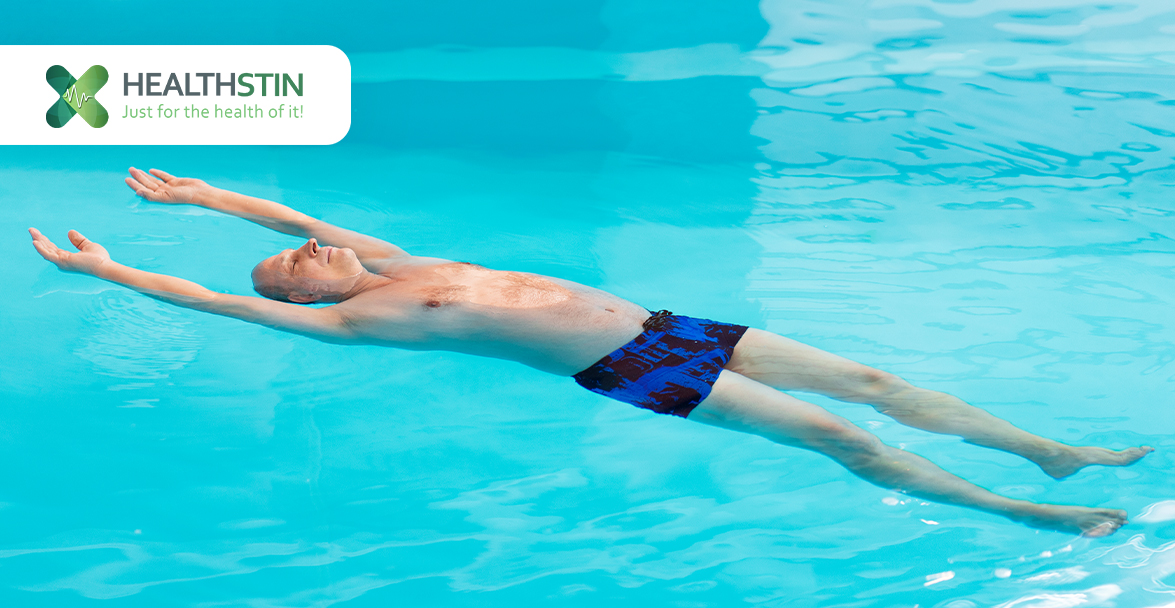
Can exercise help with Parkinson’s disease management?
Exercise is one of the best tools you have for managing Parkinson’s. It’s a “total package” approach that helps with your body, your brain, and your mood all at once.
By working on your strength, flexibility, and balance, you can stay more independent and feel much more in control of your own health and happiness.
By following a simple, realistic plan that includes different types of movement and some friendly support, you can keep living an active and happy life with Parkinson’s.
Whether you’re starting with a short walk or joining a group class, our professional team of Exercise Physiologists and Physiotherapists at Healthstin is here to help. We’ll make sure every move you make helps you feel better and get more out of life.
We are a registered provider for Home Care Packages (HCP) and the NDIS, with an Allied Health team experienced in supporting individuals with complex neurological conditions, including Parkinson’s disease. At Healthstin, we are equipped to provide tailored support services across the Southern Highlands, South East Sydney, and Metropolitan North.
To discuss how we can assist you or a loved one through your existing Home Care Package or NDIS plan, please call us at 1300 090 931 or book an appointment today.