Massage is the practice of manipulating and kneading a person’s muscles and soft tissues using the hands. As a therapeutic practice, massage therapy is steadily gaining popularity worldwide and while it may seem to be a relatively new modality of natural treatment, it’s not. Massage therapy has ancient roots dating back to 3000 BCE in India, where it was part of Ayurveda, a natural healing system. The practice spread to China, Southeast Asia, Egypt, Greece, and Rome, each culture adding unique techniques and philosophies.
Notably, Greek athletes and Roman emperors used massage for healing and conditioning. In the early 1800s, Swedish doctor Per Henrik Ling developed methods that evolved into modern Swedish massage. By the late 1800s, massage therapy had become a recognised practice in America, incorporating techniques still used today.
At present, massage therapy is widely used to help manage pain, relieve stress, and promote rejuvenation. In Australia, massage is considered the largest complementary medicine profession in terms of utilisation by the public as well as the distribution and number of practitioners.
It is also being increasingly integrated into the healthcare system and has earned credibility among general practitioners. The Royal Australian College of General Practitioners (RACGP) recommends massage to help relieve pain and depression as well as improve the quality of sleep. Some surveys of Australian general practitioners report that a high number of practitioners consider it safe and effective as a complementary treatment.
In today’s fast-paced world, a lot of people turn to massage therapy for relief and rejuvenation. However, choosing the right type of massage can be confusing with the large number of options available. Remedial and Relaxation massages are two of the popular types. Which one is suitable for you?
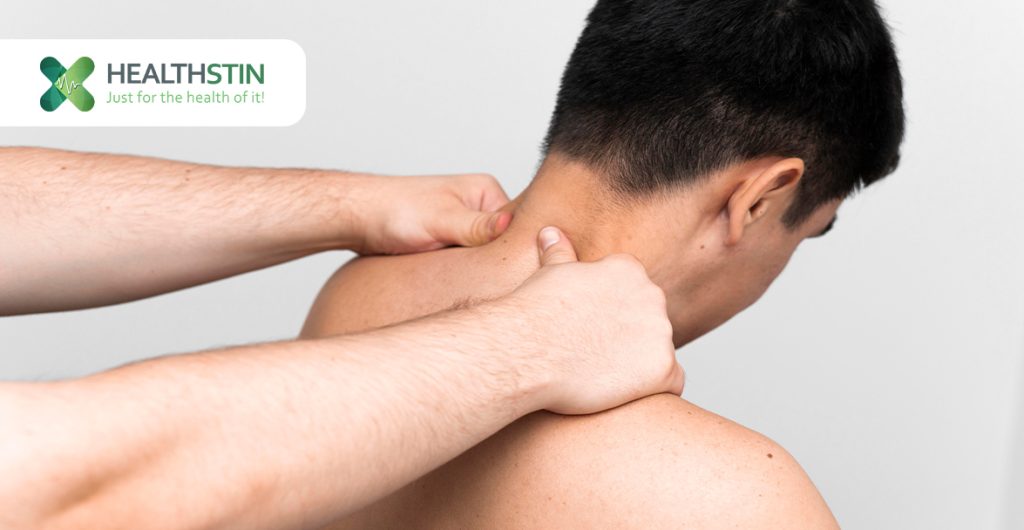
What is Relaxation Massage?
Relaxation massage is designed to help you unwind and reduce stress. This type of massage uses long, smooth, and flowing strokes combined with gentle kneading and circular movements on the superficial layers of muscle. The primary goal is to promote overall relaxation, improve blood circulation, and enhance your mood.
During a Relaxation massage, the therapist typically uses oil or lotion to facilitate smooth movements and may incorporate techniques like tapping, vibration, and gentle stretching. This massage is generally performed in a calm and tranquil environment with soothing music, dim lighting, and aromatherapy to enhance the relaxing experience.
The key benefits of relaxation massage include the following:
- Reduces stress — By stimulating the release of endorphins, it helps in alleviating stress and promoting a sense of wellbeing.
- Improves circulation — The gentle strokes enhance blood flow, which can improve oxygen and nutrient delivery to tissues.
- Enhances flexibility — Gentle stretching and kneading can improve muscle flexibility and joint mobility.
- Improves sleep quality — The calming effects can lead to improved sleep patterns and overall better rest.
What is Remedial Massage?
Remedial massage, on the other hand, is a therapeutic treatment and complementary therapy aimed at addressing specific muscular issues and aiding in the rehabilitation of injuries. This type of massage involves a thorough assessment by the therapist to identify the root cause of your discomfort or pain.
Techniques used in Remedial massage can include deep tissue massage, trigger point therapy, myofascial release, and stretching.
The focus of Remedial Massage is on the deeper layers of muscle and connective tissue. Therapists apply more pressure to break down adhesions (knots) and restore normal function to the affected areas. It is often used to treat conditions such as chronic pain, sports injuries, repetitive strain injuries, and postural problems.
The key benefits of Remedial massage include the following:
- Relieves pain — Effective in alleviating chronic pain and discomfort by addressing the underlying muscular issues.
- Helps rehabilitate an injury — Assists in the recovery from injuries by improving circulation, reducing swelling, and promoting tissue repair.
- Improves mobility — Helps restore normal range of motion and flexibility by releasing tight muscles and fascia.
- Helps promote correct posture — Addresses muscle imbalances and postural issues that can lead to pain and discomfort.
What’s the difference between Remedial and Relaxation Massage?
While both Remedial and Relaxation massages offer significant benefits, the key differences lie in their objectives, techniques, and intensity:
OBJECTIVES
| Relaxation Massage — The primary goal is to induce relaxation, reduce stress, and improve overall wellbeing. | Remedial Massage — Focuses on treating specific muscular issues, relieving pain, and aiding in injury rehabilitation. |
TECHNIQUES
| Relaxation Massage — Uses gentle, flowing strokes, light kneading, and rhythmic tapping to promote relaxation. | Remedial Massage — Employs deeper, more targeted techniques such as deep tissue massage, trigger point therapy, and myofascial release to address specific problems. |
INTENSITY
| Relaxation Massage — Typically involves light to moderate pressure to ensure comfort and relaxation. | Remedial Massage — Can involve more intense pressure and techniques that may cause some discomfort during the process, as it aims to treat underlying issues. |
STRUCTURE OF THE SESSIONS
| Relaxation Massage — Generally follows a consistent routine focusing on overall body relaxation. | Remedial Massage — Tailored to the individual’s specific needs and may vary significantly from session to session based on the condition being treated. |
RELATED ARTICLE: How Much Does Remedial Massage Cost?
Choosing the right massage
Deciding between Remedial and Relaxation massage depends on your specific needs and preferences. If you’re seeking a soothing experience to unwind and de-stress, a Relaxation massage may be the best choice. However, if you’re dealing with chronic pain, recovering from an injury, or have specific muscular issues, a Remedial massage would be more beneficial.
Both Remedial and Relaxation massages offer unique benefits that can enhance your health and wellbeing. By understanding the differences between them, you can make an informed choice that aligns with your needs, whether you’re seeking relaxation or therapeutic treatment. Remember to consult with a professional therapist to discuss your goals and ensure that you receive the most appropriate care.
Whether you’re looking to de-stress or address specific physical issues, there’s a massage therapy that’s right for you.
Finding Remedial Massage near me
If you decide that Remedial Massage is what you need, finding a qualified therapist near you is crucial. Both experience and training are important factors to consider when looking for the most suitable therapist for Remedial Massage.
At Healthstin, our Remedial Massage Therapist is accredited by the Association of Massage Therapists and possesses the requisite training and education with a bachelor’s degree in medicine, a diploma in Massage Therapy, and a certificate in Chinese Traditional Massage.
With over a decade of experience working with people with a diverse range of health conditions – from people living with a disability to individuals requiring post-surgery rehabilitation, workers needing injury rehab to older adults requiring aged care support – he has earned acclaim as one of the best massage therapists in the industry.
To book a session for effective Remedial Massage Therapy, call 1300 090 931 or click this link now.