Exercising has a plethora of benefits, from improving your physical and mental health to giving you the endurance to perform in day-to-day tasks and as an athlete. Exercise is especially effective for the prevention, management and treatment of Diabetes. We have Dr Rachelle Sultana, our Senior Accredited Physiologist and Allied Health Coordinator, who will give further insights about exercise and diabetes.

About Dr Rachelle
Dr Rachelle is the Healthstin’s Team Allied Health Coordinator and has been an Exercise Physiologist for almost 10 years. She has also completed her PhD in the effects of exercise on in Diabetes and Obesity, which has provided her with ample knowledge and experience treating and managing obesity and diabetes outcomes, along with a wide scope of conditions such as cardiovascular, neurological, and musculoskeletal disorders. She uses the combination of her research background and patient-centred approach to develop safe and suitable exercise programs and advice for her patients. Rachelle also extends this knowledge through her mentoring and support of the Healthstin team and educating our future Allied Health Professionals.
Q&A with Dr Rachelle about Exercise and Diabetes
1. How does exercise help to manage diabetes?
Being active makes your body more sensitive to insulin (the hormone that permits cells in your body to utilise blood sugar for energy), which aids with diabetes management. Physical activity also helps in blood sugar regulation and reduces your chances of heart disease and nerve damage.
The additional benefits of exercise include:
- Weight loss and management
- Better sleep
- Improve your mood
- Memory enhancement
- Blood pressure management
- Lowering LDL (“bad”) cholesterol and increasing HDL (“good”) cholesterol
2. What type of exercise is best for diabetes?
All types of exercise, whether aerobic, resistance, or a combination of the two (combined training), were equally efficient at lowering HbA1c levels in diabetes.
Resistance training and aerobic exercise equally helped reduced insulin resistance in previously inactive older people with abdominal obesity and diabetes risk. Combining both types of exercise was found to be more effective than each one alone.1
People with diabetes who walked at least two hours per week were found to be better protected against heart disease than their sedentary counterparts, and those who exercised three to four hours per week had an even lower risk.
Women with diabetes who engaged in at least four hours of moderate (including walking) or strenuous exercise each week had a 40% decreased chance of getting heart disease than those who did not. These benefits continued even after researchers controlled for confounding factors such as BMI, smoking, and other risk factors for heart disease.
3. What is the effect of exercise on my blood glucose levels?
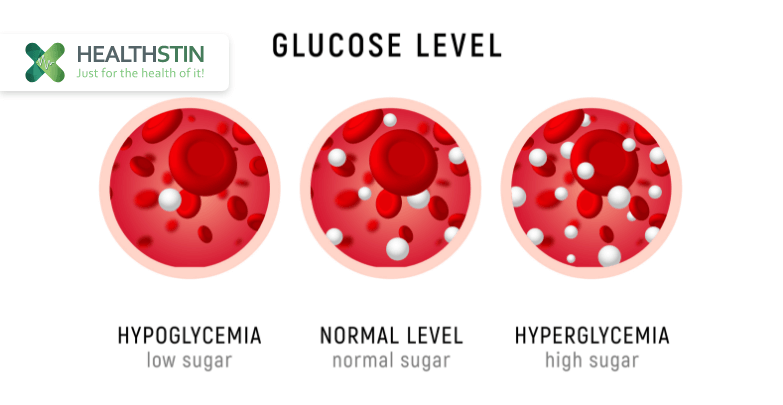
Exercise helps your muscles to utilise more glucose, lowering your overall BGLs. It is critical for people with diabetes to monitor their BGLs before, during, and after exercise.
Hypoglycaemia
People who use insulin or take a form of glucose-lowering medication may experience hypoglycaemia or a low BGL (4.0 mmol/L or less) (sulphonylurea).
Your muscles use more glucose when you exercise, therefore, reducing your BGLs. There is a risk of your BGLs becoming too low if you are taking insulin or diabetic tablets (which cause you to create more insulin).
Measure your BGLs before, during, and after exercising to see how the exercise changes your BGLs. The type, duration, fitness level, and intensity of your exercise might all have an impact.
You can lower the risk of hypoglycaemia during and after exercise by doing the following:
- Before exercising, check your BGLs to ensure that they are at least 7.0 mmol/L.
- Checking your BGL before and after exercise
- Raising your carbohydrate consumption as needed based on the intensity, duration, and kind of exercise, and
- Decreasing insulin or medication as needed after consulting with your doctor
Your risk of developing hypoglycaemia during exercise is increased if you:
- Have type 1 diabetes
- Take insulin or take sulphonylurea medications
- Have had repetitive episodes of hypoglycemia
- Unable to identify hypoglycemia’s early warning signs and symptoms
- Experience hypoglycemia before to physical activity (as both exercise and hypoglycaemia reduce your ability to detect further hypoglycaemia)
- Consumed alcohol before working out (alcohol reduces your ability to detect hypoglycaemia).
- At danger of hypoglycemia, always keep hypoglycemia treatments on hand, such as glucose gel or jelly beans, and don’t forget to wear a medic alert bracelet.
Hyperglycaemia
Hyperglycemia is another term for high BGLs (more than 11 mmol/L).
Exercising while your blood glucose levels are higher than normal can help lower them. However, if you are unwell and your BGLs are very high, it is usually recommended that you should avoid exercising until your BGLs have returned to normal.
Individuals who have diabetes and have BGLs above the usual range are more likely to become dehydrated, so drink plenty of fluids to stay hydrated when exercising.
4. What precautions do I need to take before and during exercise?
See your doctor for a comprehensive medical examination before beginning a regular workout routine. Take it slowly at first; you don’t want to start out too hard; if you’re not used to the exercise, you’ll be sore the next day, which won’t make exercising fun! You can gradually increase the intensity of the activity over time.
Before beginning to increase the intensity of your activity, consult your doctor or a qualified Exercise Physiologist if you have any diabetes problems, such as retinopathy or nephropathy.
Foot Care:

People who have had diabetes for a long time or who have consistently high BGLs are at higher risk of developing foot problems. If you have nerve damage to your feet (called peripheral neuropathy), this makes you more susceptible to injury and to problems such as foot ulcers.
The health of your feet should be checked regularly by a podiatrist to make sure you are safe to do the exercise you are planning.
You can prevent foot injuries and infections by:
- Wearing well-fitting socks and shoes: check that shoes are long enough, wide enough, and deep enough.
- Wearing the right shoe for the activity you are doing
- Inspecting your feet daily
- Having annual foot checks by a podiatrist
- Report to your doctor any changes to your feet, such as redness, swelling, or cuts or wounds, as soon as you detect them.
While exercise has many benefits, it is also important to know about some guidelines for diabetes and exercise. This makes exercise safer and more enjoyable.
People with diabetes are at increased risk of heart and blood vessel disease and foot problems, so it’s important that your exercise is right for you.
People with type 1 diabetes and people with type 2 diabetes who use insulin or some glucose-lowering medications called sulphonylureas are at risk of hypoglycaemia, and their risk increases during and after exercise. Speak with your doctor if you are unsure of the type of medication you are taking.
Make sure you have an individualised diabetes management plan. Your diabetes health professional can help you with this.
If you have never exercised before, start with low-impact exercises such as walking and go slowly. This will help build exercise tolerance. You will also be more likely to continue doing regular exercise and prevent injuries.
Consider seeing an exercise physiologist for an individualised exercise program. This is especially helpful if you have pain or limited movement.
Discuss with your doctor or diabetes educator the most appropriate areas of the body to inject your insulin, especially during exercise.
5. What type of exercise is best for improving insulin sensitivity?
Anything else that keeps you moving, but here are some ideas to discuss getting started with your doctor:
- Walking
- Gardening
- Exercise bike/cycling
- Dancing
- Weight training
- Tai Chi
- Golfing
- Swimming
- Water aerobics
Increasing your overall physical activity, such as taking the stairs rather than taking the elevator, getting up to switch the TV station instead of using the remote control, performing housework, and gardening, is also beneficial. Avoid watching too much TV or spending too much time on the computer.
The goal is to achieve minimum of 150 minutes of moderate-intensity physical activity per week. One approach to accomplish this is to schedule at least 20 to 25 minutes of physical activity each day. Include activities that work all main muscle groups on two or more days each week (hips, back, legs, chest, abdomen, arms, and shoulders).
Physical exercises of moderate-intensity include:
- Doing housework
- Mowing the lawn
- Brisk walking
- Bicycling
- Dancing
- Swimming
- Sports Participation
These activities strengthen your major muscles, raise your heart rate, and force you to breathe harder, all of which are significant for achieving fitness goals. Stretching helps you become more flexible and reduces discomfort after physical activity. Read here for more information about being active with diabetes.
6.When is the best time of the day for me to exercise?
Overall, one to three hours after eating is the optimal time to exercise because your blood sugar level is most likely to be higher. It is critical to monitor your blood sugar prior exercising if you use insulin. If your blood sugar level is less than 100 mg/dL before exercise, a piece of fruit or a little snack will help you prevent hypoglycemia. If you test again 30 minutes later, your blood sugar level will be stable. It’s also a great idea to monitor your blood sugar levels after any tough workout or activity. If you use insulin, your risk of hypoglycemia may be highest six to twelve hours after exercising. Experts also advise avoiding exercising if your blood sugar is extremely high (above 250), because activity can cause blood sugar to rise even higher.
Conclusion
Exercise is an important part of managing diabetes. The more you walk, the better your blood sugar control will be. While it may appear to take a significant amount of time, it is relatively simple to include exercise into your daily routine. It only takes a few minutes to get started. Exercise is essential for diabetes management but is sometimes disregarded. Do you have any queries about diabetes and exercise? Please contact us at [email protected] or visit our page here. We’re happy to help!
Disclaimer: The information is general and does not take into account your personal situation. This information is intended to show you the correct exercise technique and should not be used to self-diagnose or self-treat any medical condition. If your pain persists or you have difficulty performing exercise, see your experienced Exercise Physiologist for proper guidance on 1300 090 931.
Reference:
1 Sunghwan Suh, In-Kyeong Jeong, Mi Yeon Kim, Yeon Soo Kim, Sue Shin, and Jae Heyon Kim, Effects of Resistance Training and Aerobic Exercise on Insulin Sensitivity in Overweight Korean Adolescents: A Controlled Randomized Trial <https://www.ncbi.nlm.nih.gov/pmc/articles/PMC3178704/>