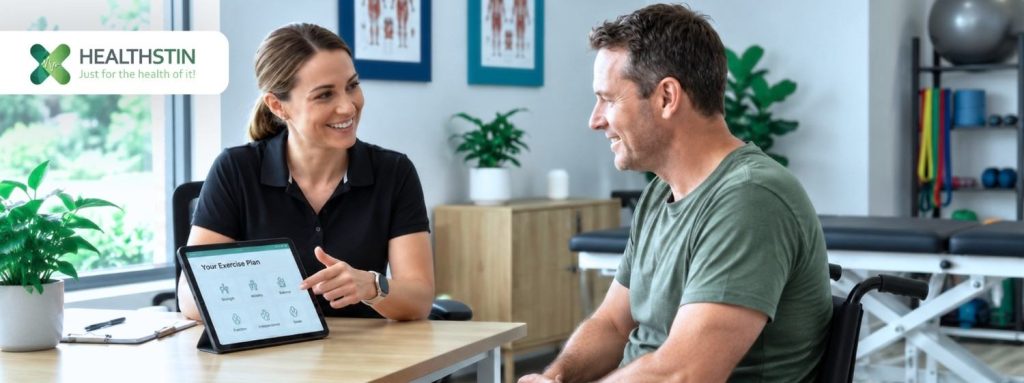
Exercise is a powerful tool for maintaining good health, benefiting everyone, irrespective of health conditions or physical abilities. For individuals living with a disability, staying active is especially important. Physical activity offers various benefits – physical, mental, and social. Physically, it promotes wellbeing, enhances fitness, and supports functional independence. Mentally, it can lift mood and alleviate anxiety or depression. Socially, exercise builds confidence and fosters meaningful connections with others.
In Australia, 4.4 million people, or 1 in 5, have a form of disability. Whilst everyone may encounter challenges in staying active, people with disabilities often experience greater and more frequent barriers, affecting their participation more profoundly.
A national report on sports and exercise participation revealed several key insights: Individuals with disabilities are less likely to engage in sports or physical activities. Furthermore, 1 in 5 people with disabilities are completely inactive, not participating in any recreational exercise. The most commonly cited reason for inactivity in this group is poor health or injury.
Common health risks associated with physical inactivity
For those with disabilities who lead sedentary lifestyles, the likelihood of developing chronic conditions increases.
Some of the most common health risks include:
- Heart issues such as heart attacks
- Stroke
- Diabetes
- Cancer
Inactivity can also contribute to obesity and trigger secondary conditions, which are often preventable. These conditions include pneumonia, urinary tract infections, joint pain, and metabolic disorders. Emotional issues, such as chronic fatigue or depression, may also arise.
Benefits of exercise for people living with disabilities
Exercise and physical activity offer significant benefits for people living with disabilities. Engaging in regular movement can improve both physical and mental health, helping individuals manage chronic conditions and reduce the risk of further health complications.
Key benefits of exercise for people living with a disability
| Physical Health Improvements | Exercise enhances cardiovascular health, muscle strength, flexibility, and balance, reducing the risk of falls and injuries. It can also help in managing chronic conditions such as diabetes and arthritis. |
|
Mental Health Support |
Physical activity plays a crucial role in reducing stress, anxiety, and depression. It fosters improved mood and promotes better sleep quality, which are particularly important for individuals managing disabilities. |
|
Social Inclusion & Independence |
Participating in group sports or exercise activities fosters social connections and combats isolation. Inclusive programs in Australia, such as those supported by the National Disability Insurance Scheme (NDIS), empower individuals to live more independently by boosting confidence and functional skills. |
|
Prevention of Secondary Conditions |
Regular physical activity lowers the risk of developing secondary health issues such as obesity, hypertension, and cardiovascular disease, which are more prevalent among people with disabilities.
|
Exercises and activities for persons with disabilities
The general principles for physical activity apply to everyone, including those with disabilities. A balanced exercise routine should include aerobic activity, strength training, and flexibility exercises.
Exercises for people living with a disability
|
Aerobic Exercise |
People with disabilities are up to three times more likely to develop chronic diseases such as heart disease, diabetes, or stroke compared to those without disabilities. While the general recommendation is 150 minutes of moderate aerobic exercise or 90 minutes of vigorous exercise per week, individuals with disabilities may need to adjust the intensity and duration.
Some effective aerobic activities include: • Aquatic therapy – Swimming, water aerobics, hydrotherapy, and aqua jogging • Walking – Brisk walking to raise heart rate and improve stamina • Hand cycling • Rowing machine exercises • Adaptive team sports – Wheelchair basketball, volleyball, and tennis • Wheelchair sprints
Engaging in some form of aerobic activity is better than none, even if it falls short of recommended guidelines. |
|
Strength Training |
Strength training builds muscle mass and endurance, helping prevent falls and improving balance. Experts advise engaging in moderate to vigorous strength exercises targeting all major muscle groups 2-3 times per week.
Examples of strength exercises include: • Shoulders – Presses • Chest – Bench presses and flyes • Back – Pulldowns and rows • Arms – Bicep curls and triceps extensions • Legs – Leg extensions and curls |
|
Flexibility Exercises |
Maintaining flexibility is just as essential as aerobic fitness and muscle strength. It improves the range of motion in joints and muscles.
Recommended flexibility exercises include stretching in a seated or lying position and practising adaptive yoga or tai chi. Stretching after warming up and post-exercise may reduce the risk of muscle injuries and soreness. |
Activities for older adults with disabilities
Ideal activities for older adults with disabilities should ideally focus on maintaining mobility, improving strength, and enhancing mental wellbeing. Here are some great options:
| Walking &
Low-Impact Aerobics |
Walking, even with assistive devices, promotes cardiovascular health and joint mobility. These gentle activities can help maintain independence and prevent physical decline. |
|
Water-Based Exercises |
Hydrotherapy and swimming offer excellent ways to stay active while minimising joint stress. Water activities are particularly beneficial for older adults with arthritis or limited mobility, as the buoyancy reduces pain while improving flexibility. |
| Chair Exercises
& Yoga |
Seated yoga or chair exercises enhance flexibility, strength, and balance, making them ideal for those with reduced mobility or balance issues. |
| Strength Training
with Light Weights or Resistance Bands |
These activities help combat muscle loss and increase bone density, reducing the risk of falls and fractures. |
|
Social Activities & Group Programs |
Programs that combine physical exercise with social interaction, such as dancing or group exercise classes, offer mental and emotional benefits. This promotes engagement, especially for those managing mental health challenges or social isolation. |
| Gardening
& Gentle Outdoor Activities |
Being outdoors offers both mental and physical health benefits, encouraging movement while providing relaxation. |
| Mind-Body
Exercises |
Tai Chi is known for improving balance, coordination, and mental focus, making it a good choice for preventing falls while promoting relaxation. |
Overcoming barriers to exercise
There are numerous barriers to physical activity for individuals with disabilities, which can be grouped into two categories: external and internal.
Barriers to exercise
|
External Barriers |
External factors include environmental challenges, such as:
• Lack of accessible recreational facilities or exercise spaces • Poor access to safe walking paths or cycling trails • Traffic, crime, pollution, or extreme weather conditions • Limited public transportation options
Social support is also essential. Having an encouraging family, group of friends, or community can significantly affect motivation and participation in physical activity. |
|
Internal Barriers
|
Personal factors can also act as obstacles to physical activity.
Common reasons for inactivity include: • Insufficient time • Lack of motivation or willpower • Physical activity is seen as inconvenient or boring • Fear of injury • Costs associated with exercise or recreation • Limited access to suitable programs • Work or family obligations |
Strategies for overcoming barriers to exercise
Here are some practical strategies to address the challenges of exercise:
Strategies to overcome exercise barriers
| Time constraints | Add physical activities to your daily routine. Look for 30-minute gaps in your schedule for activities such as walking, stair-climbing, or jogging. If you enjoy reading, try using a stationary bike whilst reading. |
|
Low energy levels |
Identify when you feel most energetic and schedule your exercise at those times. You might find that exercise itself becomes energising. |
| Lack of support | Exercise with family or friends or join an exercise group to stay motivated. |
| Boredom or lack of motivation | Participate in group classes, set training goals, or find an activity that genuinely interests you. |
| Fear of injury | Warm up thoroughly, use proper technique, and select exercises suited to your ability. |
| Limited access to equipment | Explore cost-effective ways to exercise, such as walking or stair-climbing, or seek inclusive facilities with adaptive equipment. |
| Inadequate skills and knowledge | Choose activities that are easy to learn, such as dancing or walking. |
| Inclement weather conditions | Incorporate a mix of indoor and outdoor exercises to stay active in any weather. |
| Work or family commitments | Fit physical activity into your workday and involve children in physical games or exercise routines. |
Find expert support for exercise
Exercise is essential for everyone, regardless of health status or physical ability. For individuals with disabilities, physical activity is particularly important as it offers physical, mental, and social benefits. Staying active not only promotes independence and reduces the risk of chronic diseases but also boosts self-confidence and helps manage anxiety and depression. Incorporating movement into daily life is empowering, enabling people with disabilities to live healthier, more fulfilling lives.
At Healthstin, our experienced Exercise Physiologists and Physiotherapists understand the unique needs of individuals with disabilities. We create customised programs that support your health goals and ensure safe, effective exercise.
Our well-equipped Allied Health Clinics are designed to be inclusive and adaptive. Strategically located in community hubs and aquatic centres, they feature Hydrotherapy pools and gym spaces to offer both water-based and land-based training options. The buoyancy provided by water reduces strain on joints, making Hydrotherapy ideal for building flexibility, balance, and range of motion. For land-based sessions, our fully equipped gyms provide a safe environment for strength training.
If you liked this post and found it useful, please follow our blog or subscribe to our social media accounts on Facebook or Instagram to get regular doses of helpful health information.