


Brain injury is a significant health issue in Australia, with over 700,000 Aussies living with a brain injury, and around 75% of them are under the age of 65. Whether caused by trauma, stroke, or other neurological conditions, brain injury often leads to challenges in mobility, strength, and daily functioning.
Exercise Physiology for brain injury recovery has emerged as a powerful tool in supporting individuals to regain independence, improve physical health, and enhance quality of life.
In this post, we explore how Accredited Exercise Physiologists (AEPs) can play a pivotal role in brain injury rehabilitation, and how tailored exercise programmes can improve both mobility and strength during the recovery journey.
What is Exercise Physiology?
Exercise Physiology is the clinical application of exercise to help manage chronic conditions, injuries, and disabilities. In Australia, Accredited Exercise Physiologists are university-qualified Allied Health professionals recognised by Medicare, NDIS, and private health insurers. They specialise in designing safe and effective exercise interventions, especially for people living with complex conditions like brain injury.
Why is exercise important in brain injury recovery?
Exercise is now widely recognised as a crucial element in brain injury recovery. Research shows that structured exercise can help stimulate neuroplasticity which is the brain’s ability to reorganise and form new connections. In practical terms, this means better chances of regaining lost skills, improving balance, and increasing muscular strength.
Exercise can also help prevent secondary complications common in people with brain injury (including traumatic brain injury caused by sudden force) such as joint stiffness, cardiovascular disease, diabetes, and mental health issues like depression and anxiety.
How Exercise Physiology can improve mobility after brain injury
One of the primary goals of exercise programmes in post injury rehabilitation is improving mobility. People with acquired brain injury often experience difficulties with walking, balance, and coordination. Accredited Exercise Physiologists work closely with individuals to deliver exercises that target gait training, balance retraining, and lower limb strengthening.
Common mobility-focused interventions include the following:
|
Supported treadmill walking |
This involves walking on a treadmill with the use of harnesses or handrails to provide support and safety. It helps in:
It is often used in early rehabilitation stages.
|
|
Step-up exercises |
Step-ups help:
Practicing controlled stepping onto a raised platform mimics everyday activities like climbing stairs, making this exercise highly functional.
|
|
Sit-to-stand training |
This simple yet powerful exercise targets the muscles used for standing up from a chair – quadriceps, glutes, and core.
It is essential for:
Progressions can include varying chair heights or adding resistance.
|
|
Balance exercises using foam pads or wobble boards |
These exercises challenge the body’s balance systems by creating an unstable surface.
They help improve:
These are often affected after brain injury.
|
Through progressive and supervised sessions, people can experience significant improvements in their ability to move safely and independently.
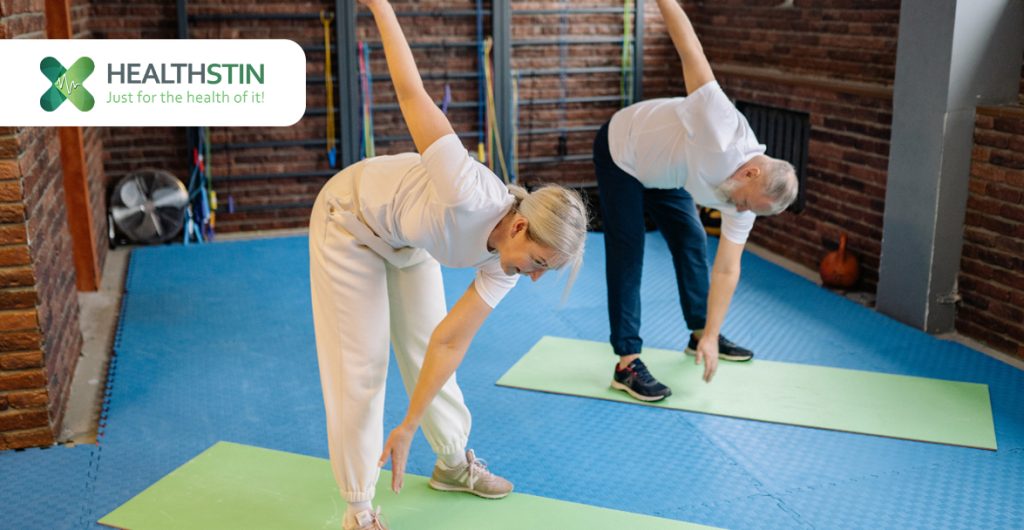
Building strength in post injury rehabilitation for everyday activities
Improving strength is equally critical in supporting recovery after brain injury. Muscle weakness, particularly on one side of the body (hemiparesis), is a common consequence of stroke and traumatic brain injuries.
Exercise Physiologists prescribe resistance training tailored to the individual’s ability and goals. These may include:
|
Strength training
|
Uses resistance bands and light weights
|
|
Bodyweight exercises
|
Includes wall push-ups, seated marching, sit-to-stand movements
|
|
Functional strength tasks
|
Examples include lifting and carrying movements that mimic those used in tasks of daily living |
By gradually building strength, individuals can find it easier to perform everyday tasks such as dressing, cooking, and participating in community activities.
Tailored Exercise Physiology programmes under the NDIS
Aussies living with brain injury may be eligible for funding through the NDIS to access Exercise Physiology services. Under the NDIS, AEPs can deliver personalised exercise programmes as part of a Participant’s brain injury rehabilitation plan.
Exercise Physiology sessions may be conducted:
- In Allied Health clinics
- At home for those with mobility limitations
- In community gyms or leisure centres with Hydrotherapy pools
Tailoring the setting and type of exercise makes rehabilitation more accessible and sustainable for Participants across Australia.
Evidence supporting exercise in helping in brain injury recovery
Studies support the role of exercise in brain injury rehabilitation. According to the Australian Institute of Health and Welfare (AIHW), physical rehabilitation services, including exercise therapy, contribute significantly to functional gains in individuals with acquired brain injury.
Moreover, clinical guidelines recommend incorporating aerobic, resistance, and balance exercises to optimise recovery and prevent long-term disability.
If you or someone you support is on the journey of brain injury recovery, searching for an Exercise Physiologist near me is a great first step. Look for professionals accredited by Exercise & Sports Science Australia (ESSA), who have experience in neurological rehabilitation.
Allied Health Clinics such as Healthstin offer specialised services including home visits and mobile Exercise Physiology for added convenience.
Exercise Physiology plays an essential role in helping Australians with brain injury improve mobility and strength, enhancing their ability to live independently and participate in the community. Through tailored, evidence-based programs delivered by Accredited Exercise Physiologists, individuals can unlock their potential and make meaningful strides in their recovery.
ALSO READ: Exercise Therapy for People with Traumatic Brain Injury (TBI)
Take the next step in your brain injury recovery
Recovering from a brain injury is a journey that calls for the right support team by your side. Accessing NDIS funding for Exercise Physiology, Physiotherapy, and other Allied Health services is a vital first step but making the most of that support to reach your personal recovery goals is just as important.
At Healthstin, our skilled team of Accredited Exercise Physiologists and Physiotherapists work closely with NDIS Participants to deliver personalised, goal-oriented therapy plans. Whether you’re rebuilding mobility after a traumatic brain injury, improving strength following a stroke, or managing neurological conditions like MS, Parkinson’s disease, or Cerebral Palsy, we create evidence-based programmes to support your progress every step of the way.
Call 1300 090 931 or click here to book your initial consultation and take the next step towards improving your mobility, strength, and independence.





