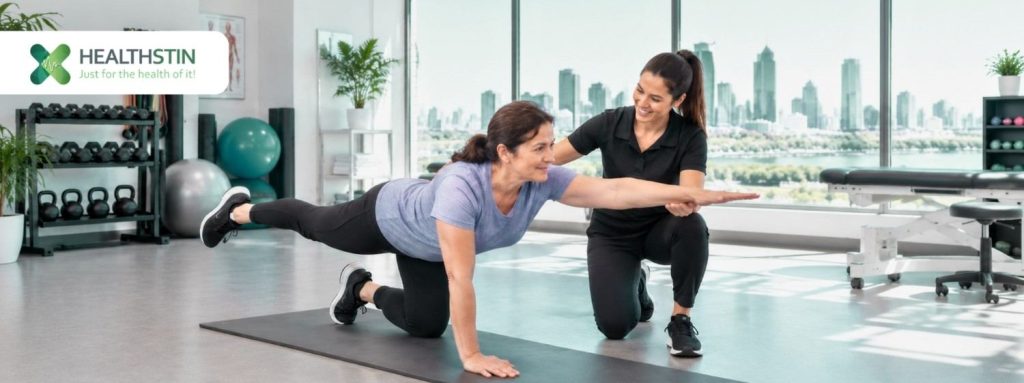
Exercise offers a wide range of benefits for every individual regardless of health condition or functional ability. It is a widely accepted fact that undergoing physical activities can help with bodily functions and improve strength and endurance. These advantages are evident for people who want to achieve a healthy, active lifestyle. But how is it a helpful treatment after surgery?
For context, some 735,500 patients were admitted for elective surgery in public hospitals across Australia from 2022 to 2023, an 18% increase over figures from 2021-2022 with 855,500 patients more added to waiting lists. How can exercise benefit you after a surgical procedure?
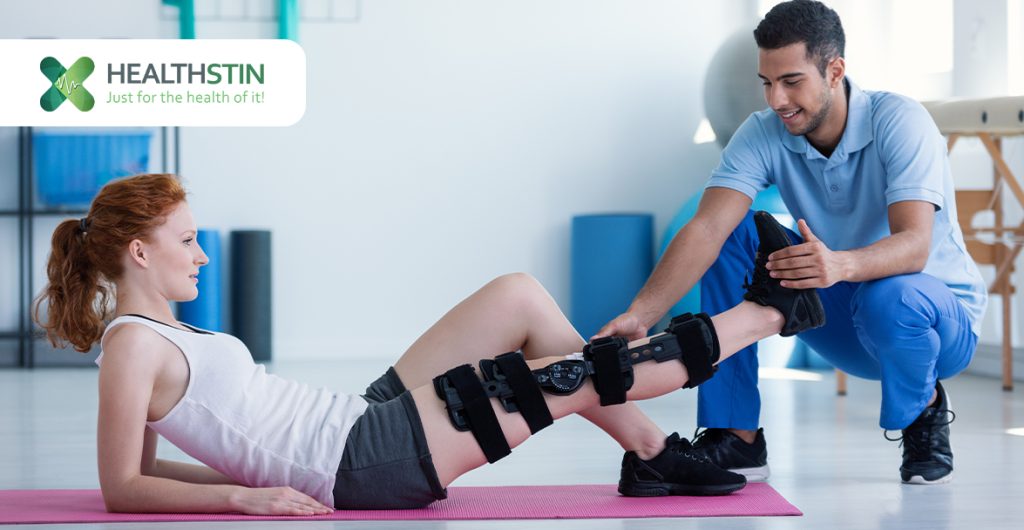
What happens if you exercise after surgery?
When you have surgery, your body goes through certain changes that could affect your strength. Post-surgery exercises have the potential to enhance your recovery. This can vary depending on the type of surgery you experienced.
Exercise can assist you in regaining mobility and avoiding the recurrence of injuries. Exercises for post-surgery require guidance from an Allied Health professional and a recommendation from a medical expert, specifically your specialist, for complete monitoring and to avoid further complications. Studies also suggest that postoperative exercise therapy can help hasten healing and recovery.
Healthstin is an Allied Health Provider offering Exercise Physiology which includes tailoring exercise programs to help people recover from surgery. Our Exercise Physiologists have the know-how and experience to design, facilitate, and integrate the most appropriate program for exercise post-surgery. We also provide Exercise Physiology Home Visits in case you can’t visit any of our six Allied Health Clinic locations.
But one crucial step to consider before undergoing physical exercise after surgery is the time frame.
How long after surgery can you exercise?
People who have had surgery may wonder or seek advice about when they can resume their physical activities. This apprehension is understandable as you wouldn’t want to injure the area where the surgery was performed – that would be counterproductive and further prolong your recovery. However, being sedentary is also not a good option.
So, how soon can you perform physical therapy? The answer depends on the extent of your surgery or injury. Sometimes, it might be advisable to wait 6 to 8 weeks (about two months) before incorporating weight training into your exercise regimen or using bicycles and elliptical trainers. This may depend on your doctor’s advice or the program recommended by your Exercise Physiologist.
After surgery, doctors frequently advise against engaging in strenuous physical activity since this could result in additional problems. Therefore, it is always recommended that you adhere to your doctor’s guidelines and advice to ensure a full recovery. It is also important to listen to your body and ease into exercise instead of diving headlong into your normal routine.

How long does it take to regain your strength after surgery?
After surgery, it is normal to experience some losses in strength and some form of fatigue and weakness.
Some exercises performed using a specific volume and level of intensity are known to improve muscle strength. However, there is no definitive time frame on when you can regain your strength after a major surgery. What is important is that you stick with the program that your Exercise Physiologists provided in case you are fully capable of performing these regimens.
Routines that gradually increase in difficulty and consistent exercise are critical, especially if you expect good results. It is still essential to take precautions even if you are seeing and feeling slight improvements. Always remember that two of the primary purposes of performing exercise post-surgery are rehabilitation and healing.
How long does it take for muscles to heal after surgery?
The amount of time it may take for your surgical wound to fully recover still depends on the nature and location of the injury or surgical wound.
There is a precise procedure that generates various recommendations for what optimal recovery entails and how to get there. It could take longer to recover from some injuries on a movable portion of the body than from injuries elsewhere. In some places, people who must move around a lot and stretch their skin may be more likely to get wounds open again.
On the other hand, a lot of doctors also recommend post-surgery patients to be mobile while not overexerting themselves. For example, if you’ve undergone shoulder surgery and have limited mobility, you can strive to perform simple movements. Move your fingers by opening and closing your hand, use a stress ball to do squeezing movements, and extend your elbow and wrist. This can help prevent the joints from getting stiff and minimise swelling. When your movements improve, you can begin strengthening exercises. You can also do basic household tasks so you can stay mobile.
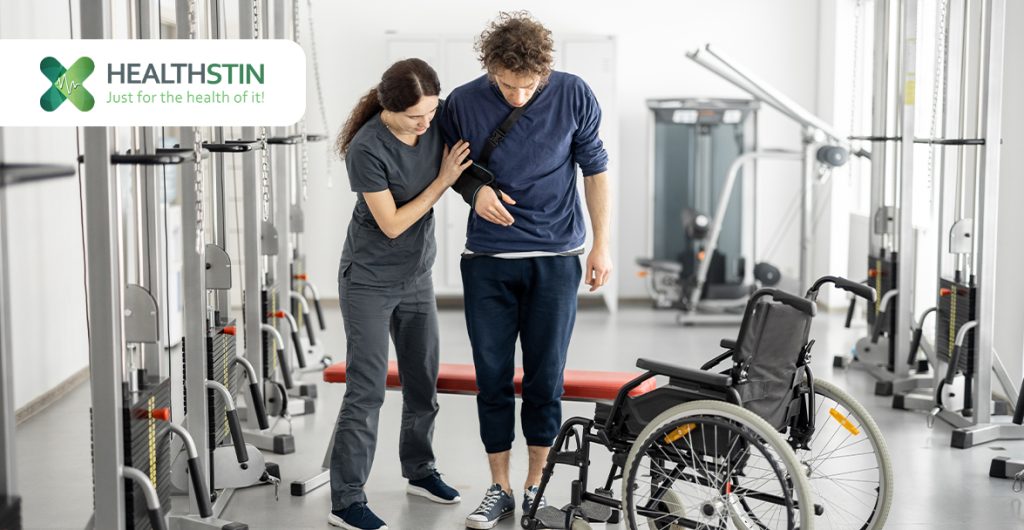
Regain your strength with the help of an Exercise Physiologist
An Exercise Physiologist (EP) is your partner in achieving recovery through exercise programs. Exercise Physiology for post-surgery varies, and a Rehabilitation Exercise Physiologist has the proper knowledge to guide you every step of the way.
Your EP will first perform a thorough assessment to gauge your current levels of strength and fitness as you recover post-surgery. It is also important to learn about your surgery and figure out if any underlying problems could affect your recovery. Your EP will also modify your exercise routine to focus on the body parts you can move, monitor your progress, and adjust your routine as your mobility and strength improve.
At Healthstin, our Exercise Physiologists are highly trained and experienced in supervising your post-surgery exercise, gradually and safely building your strength, promoting ease of movement, and boosting functional ability. We understand that everyone recovers at a different rate after surgery and that traveling for in-clinic treatments may be difficult for patients who have undergone surgery – these are the reasons why we also offer NDIS Exercise Physiology Home Visits.
If you have questions, don’t hesitate to call us via 1300 090 931 or click this link to book an appointment.
Disclaimer: The information presented above is general in nature and does not take your personal condition or situation in consideration. It is intended to show the correct exercise technique and should not be used to self-diagnose or self-treat any medical condition. If your pain persists or you experience difficulty performing an exercise, see your experienced Exercise Physiologist for guidance.