1 out of every 1,158 babies born in Australia will be diagnosed with Down syndrome (DS). A condition in which a baby is born with an extra chromosome 21, DS is considered the most common genetic reason behind intellectual challenges.
Research has also shown that young individuals with DS have an increased prevalence of obesity and are overweight mainly due to a lower thyroid and metabolic rate. A healthy diet and physical activity are part of a sensible weight management strategy. However, the physiological and cognitive differences also require weight-management recommendations that differ from those for the general population.
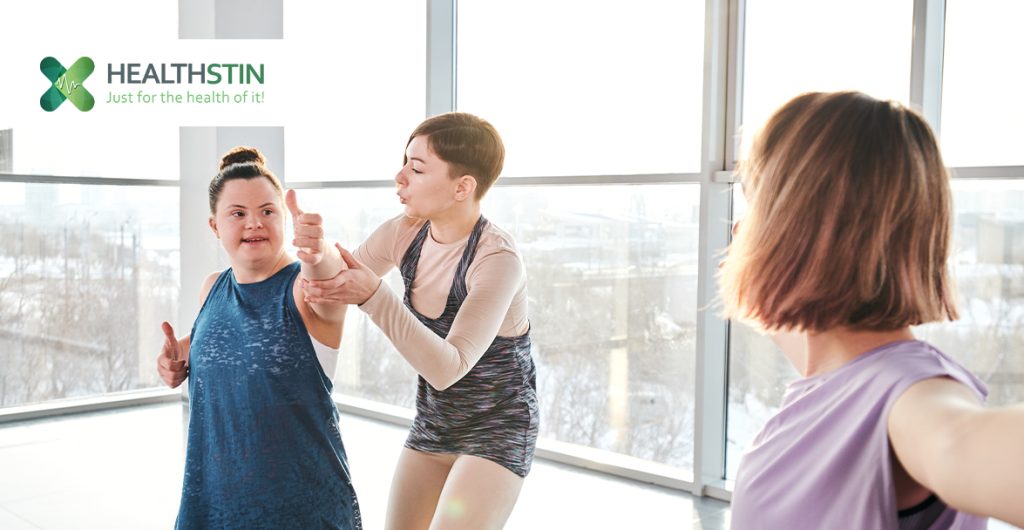
The Unique Challenges of Strength Training for Down Syndrome
While exercise confers benefits to everyone regardless of health condition and abilities, there are some considerations to keep in mind when prescribing exercise and physical activities to individuals with Down syndrome:
• Muscle tone and strength – People with Down syndrome often have hypotonia or lower levels of muscle tone and strength, which can affect their ability to perform certain exercises.
• Joint stability and laxity – Increased joint flexibility and reduced stability may put individuals with DS at increased risk for injuries during exercise. Increased joint flexibility may also contribute to poor posture control and balance issues.
• Cardiovascular health – People with DS have a higher prevalence of congenital heart defects and other cardiovascular conditions. International reports state that congenital heart defects affect around 40 to 63% of individuals with DS. Congenital heart disease can lead to increased pressure inside the lungs, the inability of the heart to efficiently pump blood, and cyanosis or skin rendered blue due to the lack of oxygen in the blood.
• Balance, coordination, and motor skills – Individuals with DS may experience challenges when it comes to coordination and motor skills. Children with DS have cerebellar hypoplasia which may render their balance reaction disordered.
• Hypothyroidism and lower metabolic rate – Hypothyroidism, a condition in which the thyroid doesn’t produce enough of certain hormones, may affect some people with DS. They may also have lower metabolism which makes their bodies burn fewer calories and store more.
• Vision and hearing problems – More than half of children with DS have vision problems, while up to three quarters have hearing loss.
• Mental health and emotional issues – Anxiety, attention-deficit/hyperactivity disorder (ADHD), and depression are some of the issues experienced by people with DS.

Exercises for Down Syndrome
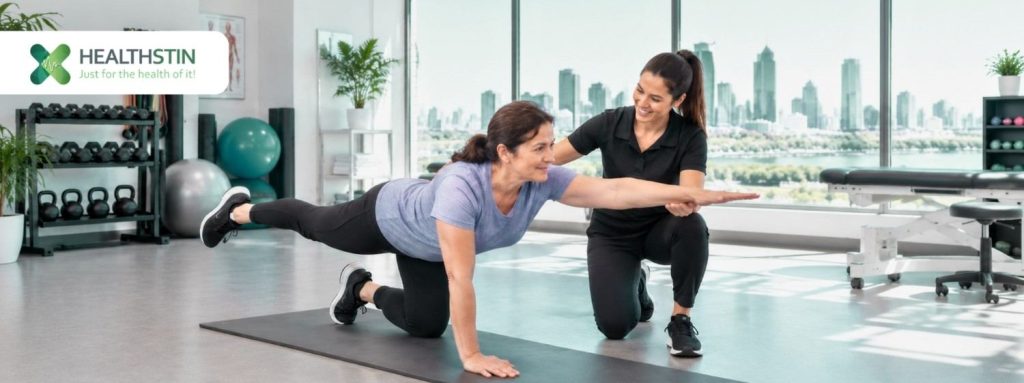
People with Down syndrome have unique needs, abilities, and medical concerns that must be considered when designing an exercise program. It would help to consult an Exercise Physiologist to create such a routine, ensuring exercises are fun and engaging, as well as safe and effective. Exercise can help individuals with DS stay healthy and more self-reliant in performing activities of daily living.
• Strength training – Building muscle strength is essential for people with DS, employing either resistance bands, light dumbbells, or body weight and focusing on major muscle groups such as eh legs, back, chest, and arms. It is important to start with low-impact and gentle exercises and gradually progress as strength improves.
• Cardiovascular exercises – Activities such as walking, swimming, cycling, dancing, and adapted aerobics can improve heart health and endurance. It is advisable to start slowly and gradually increase the intensity.
• Balance and coordination exercises – Practising balance exercises like standing on one leg or using balance boards can help improve stability, coordination, and posture. Yoga and tai chi are also great for enhancing balance and flexibility. For readers looking for a gentle, seated option, Yoga for Disability offers accessible chair yoga ideas that can be adapted for different mobility levels and support needs.
• Functional movements – Exercises that mimic daily activities, such as squats, lunges, and reaching exercises, can be incorporated into the exercise program. This can help improve functional capacity and independence in daily life tasks.
• Adapted sports and activities – Many sports and recreational activities can be adapted to accommodate individuals with DS. These can include basketball, soccer, tennis, bowling, and golf, among others.
• Group classes and social activities – Engaging in group exercise classes or activities can provide social interaction and motivation.
• Flexibility exercises – Stretching exercises can improve flexibility and range of motion. Gentle stretching after a workout or as a separate routine can help prevent muscle tightness and improve mobility.
Important note: The information presented above is general in nature and does not take your personal condition or situation into consideration. It is intended to demonstrate the correct exercise technique and should not be used for self-diagnosing or self-treating any medical condition. If your pain persists or you experience difficulty performing an exercise, see your experienced Exercise Physiologist for guidance.
Get a Custom Exercise Plan for Down Syndrome – Contact Us Today
The abilities and needs of individuals with Down syndrome can vary widely. That’s why it’s crucial to take an individualised approach to creating an exercise program for people with Down syndrome. Factors such as age, fitness level, mobility, and any specific health concerns should be taken into consideration when designing an exercise routine.
Consulting our Exercise Physiologists (EPs) at Healthstin can go a long way toward designing a personalised exercise plan that addresses the unique needs of an individual with DS. Our EPs can also teach an individual with DS to use the correct form when exercising to minimise the risk of injury.