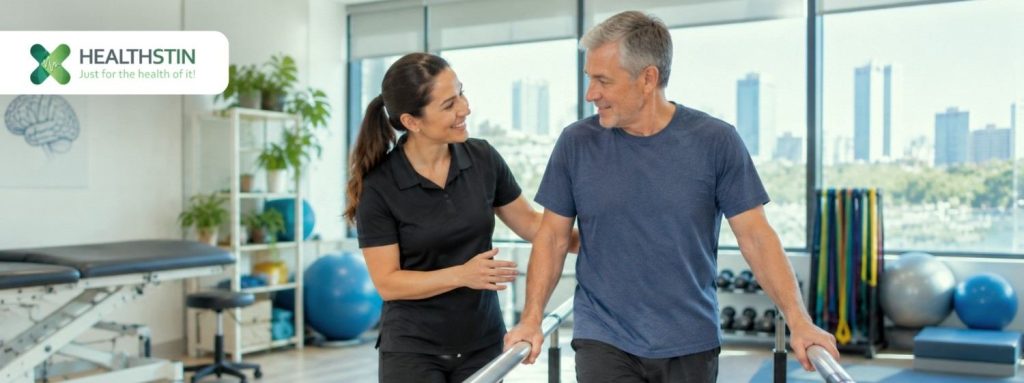
Osteoporosis Overview
You look in the mirror and see an increasingly stooped posture. Maybe, you’re wondering if you’re imagining things when you seem to be an inch shorter or so. Or perhaps, you’ve been having abrupt back pain you can’t ascribe to an injury. If you’re over 50, chances are, you may be suffering from the symptoms of osteoporosis.
Osteoporosis, which literally translates to “porous bone,” is a disease that causes your bone’s framework to thin out, making you susceptible to fractures resulting from merely bumping into furniture or your car door. Osteoporosis is diagnosed based on your medical history, a physical examination done by your doctor, and a bone mineral density test. While some people may have symptoms, others do not manifest any, making osteoporosis somewhat of a “silent” disease wherein you may not know you have it until you break a bone.
Osteoporosis can be considered as a primary concern, especially for seniors as it is the major cause of fractures among postmenopausal women and older men, according to the National Institutes of Health. In Australia, half of all women and a third of men over 60 years old suffer from osteoporosis. Women are more likely to have the disease as menopause and its attendant hormonal changes can make bone loss worse.
Up to the age of 25, our bodies add more new bones to replace the old. Bone density may stay stable until age 50. However, after age 50, the pace of bone breakdown accelerates and outpaces bone formation. Women are especially at a higher risk of suffering from osteoporosis since female bones are typically less dense and smaller compared to male bones. Falling estrogen levels at menopause speed up this bone loss even more. Osteoporosis can also be caused by taking medications for certain medical conditions such as cancer, Vitamin D deficiency, and an overactive thyroid, among many others.
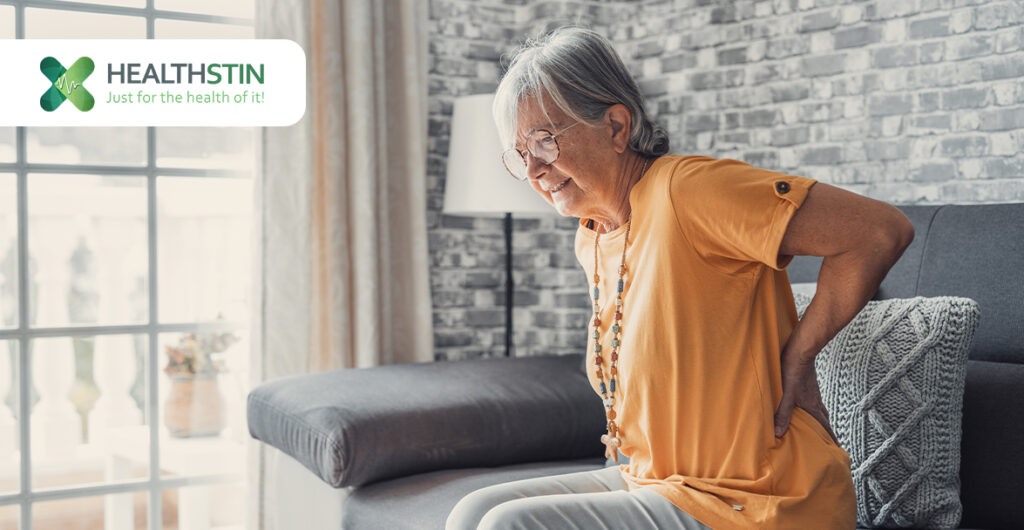
People with Rheumatoid Arthritis
People suffering from Rheumatoid Arthritis are likely candidates for osteoporosis due to a couple of reasons. Primarily, the painful condition can make one inactive and sedentary. Secondly, the glucocorticoid medications prescribed for arthritis can trigger bone loss. Thirdly, studies have shown a direct link between osteoporosis and rheumatoid arthritis.
Can I still exercise after being diagnosed with osteoporosis?
Aside from making nutritional adjustments and implementing lifestyle changes, exercise is one of the prescribed strategies for managing osteoporosis. While it can be challenging, physical activity can help prevent bone loss, enhance balance and flexibility, preserve joint mobility, decrease the likelihood of falling, and help ease the pain caused by the disease.
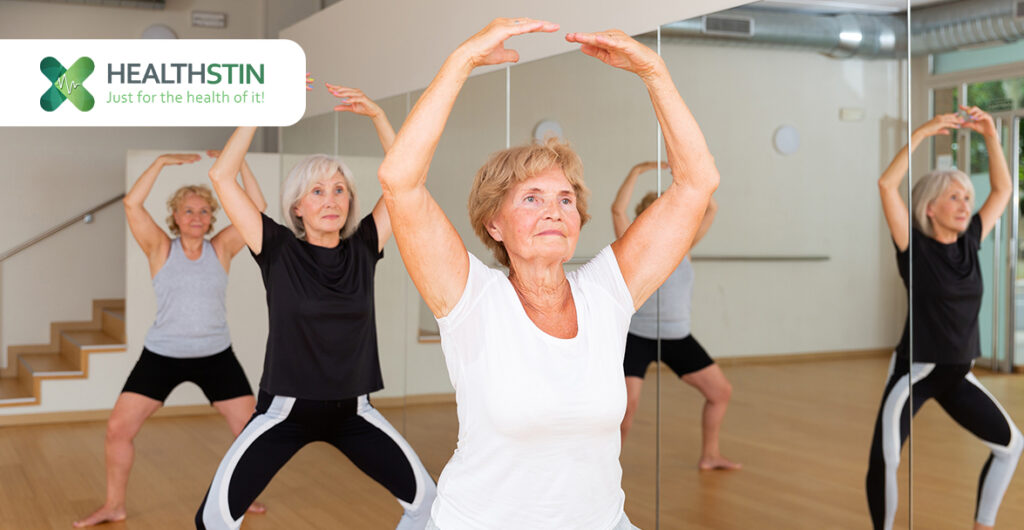
The Best Exercise for Osteoporosis
A combination of weight-bearing exercises, resistance workouts, and exercises to improve posture and balance may be best for helping manage osteoporosis. Examples of weight-bearing aerobic osteoporosis exercises include brisk walking and dancing. To aid in strengthening your muscles, you can use dumbbells, barbells, elastic bands, or weight-training machines. To improve your balance and posture, you can try tai-chi and gentler yoga poses minus the twisting moves.
While not weight-bearing exercises, swimming and water workouts can be beneficial exercises for women with osteoporosis as well as older men to help build muscle strength and cardiovascular capacity. Those with severe osteoporosis or severe hunching of the back (kyphosis) may benefit the most from water-based exercises as the water’s buoyancy is gentler on the joints.
Exercises to Avoid with Osteoporosis
It is best to avoid high-impact exercises such as jumping, running, or jogging if you are diagnosed with osteoporosis. Sit-ups as well as movements that make you bend and twist your waist should also be avoided to prevent compression fractures on your spine and other injuries.
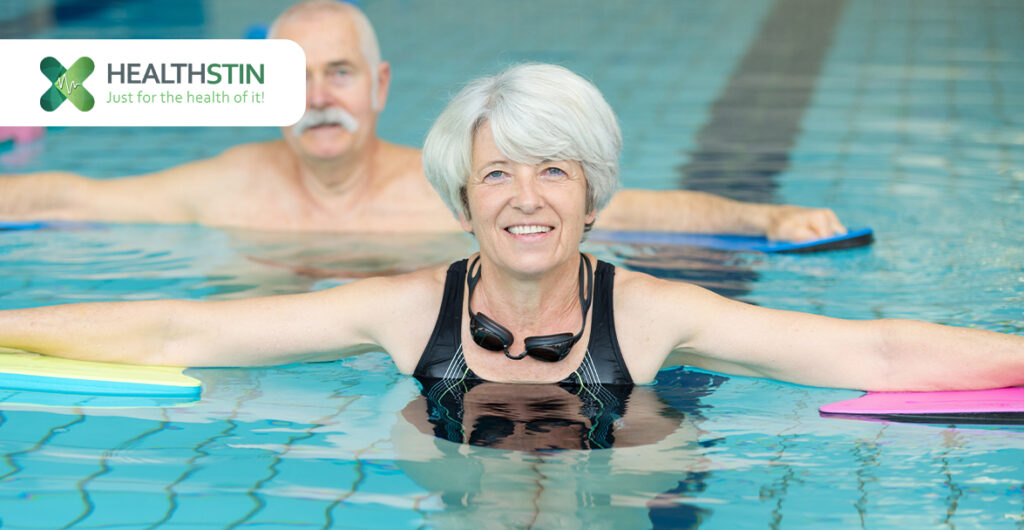
Water therapy for people with osteoporosis
People diagnosed with osteoporosis can benefit from in-gym or land-based exercises such as brisk walking and climbing the stairs. For a low-impact alternative, you can also engage in water workouts that challenge your cardiovascular capacity and build up your muscular strength while being gentler on your joints.
To facilitate osteoporosis exercises, Healthstin has gyms and pools in its Allied Services clinic locations. Its team of Accredited Learn to Swim Instructors ensures that swimming instructions and water workouts are done safely and correctly. For land-based exercises, experienced Exercise Physiologists and Physiotherapists guide every participant including those with arthritis and osteoporosis in Hurstville, NSW area to work out and get optimal benefits whilst avoiding injury. Just call 1300 090 931 or email [email protected] to get more information or book a gym/pool session.
The good news is that you can bone up on your health even with a diagnosis of osteoporosis. Get into the habit of regular physical activity and you may just see your life transform into a more mobile, more independent one.
Resources:
https://www.bones.nih.gov/health-info/bone/osteoporosis/overview
https://www.betterhealth.vic.gov.au/health/conditionsandtreatments/osteoporosis-and-exercise