As we age, our physical abilities and health conditions change, increasing our susceptibility to accidents like falls. Falls often go unnoticed but account for a staggering 77% of injury hospitalisations in Australia among older adults 65 and above.
While falls can happen to anyone at any age, they are more prevalent among older adults, particularly those with long-term health conditions such as impaired vision or hearing, reduced bone density, and diminished muscle strength. This is a significant concern for people aged 65 and over, who are 8 times more likely to be hospitalised due to falls compared to those aged 15-64. Around 30% of the same segment experienced at least one fall a year.
Falls can cause various physical injuries, including bruises, sprains, fractures, dislocations, and head injuries. For individuals with osteoporosis, falls are particularly hazardous as low bone density can lead to fractures. Beyond physical injuries, falls can also have profound psychological effects, often leading to a fear of falling again. This fear can result in a loss of confidence and independence, increased isolation and avoidance of social activities, reduced physical activity, and a decline in overall wellbeing.

Elderly fall prevention
Falls can happen anywhere, but they are most common at home. Here are some simple and practical tips to help keep you safe from falls in your own space:
Improve lighting – Ensure your home is well-lit. Consider installing light switches at both ends of staircases and hallways or opt for motion-activated lights that turn on and off automatically when you enter or leave a room. Keep a bedside lamp within easy reach to help you navigate the bathroom at night and keep a flashlight nearby in case of power outages.
Declutter your home – Remove any items that may cause tripping hazards, such as books, clothes, shoes, and other belongings on the floor. Secure loose electrical cords and rearrange furniture to keep pathways clear and easy to navigate.
Prevent slips – Clean up spills promptly and avoid walking on wet floors. Secure carpets firmly to the floor, use non-skid mats, and install grab bars in the bathroom. Adding handrails on both sides of the stairs can also provide extra support. If you have pets, be mindful of their location to prevent tripping over them.
Stay safe outdoors – Keep your backyard clear of debris and use non-slip materials on pathways and stairs leading to your home. Ensure your outdoor areas are well-lit with motion-activated lights or install dusk-to-dawn sensors that automatically illuminate when it gets dark.
Get your feet checked and wear proper footwear – As we age, our feet can change in shape and flexibility, which may affect our balance. Have your feet checked by a podiatrist, especially if you have swollen or painful feet. Choose sturdy, well-fitting shoes with non-slip soles and avoid loose-fitting footwear, slippers, and flip-flops that can increase the risk of tripping.
Move with care – Avoid rushing when moving around your home, whether walking from room to room or getting up from a sitting position. Take your time, be mindful of uneven floors, and watch for potential hazards.
Get regular checkups for your vision and hearing – Schedule regular appointments for your doctor to check your vision and hearing. Use glasses or hearing aids if recommended to help reduce the risk of falls.
Review your medications – Some medications can cause side effects like drowsiness, increasing the risk of falls. Speak with your healthcare provider to review your medications and discuss alternatives if necessary.
Use assistive devices – Don’t hesitate to use aids like canes, walkers, or grab bars to help with standing, walking, bathing, or using the toilet. Using fall prevention devices provide extra stability and confidence, helping reduce the risk of accidents at home.
Stay active — Regular exercise plays a crucial role in fall prevention by improving balance, strength, and coordination. Being physically active can help you stay steadier on your feet and reduce the likelihood of falls and related injuries. Continue reading to learn more about the importance of physical activity in preventing falls.
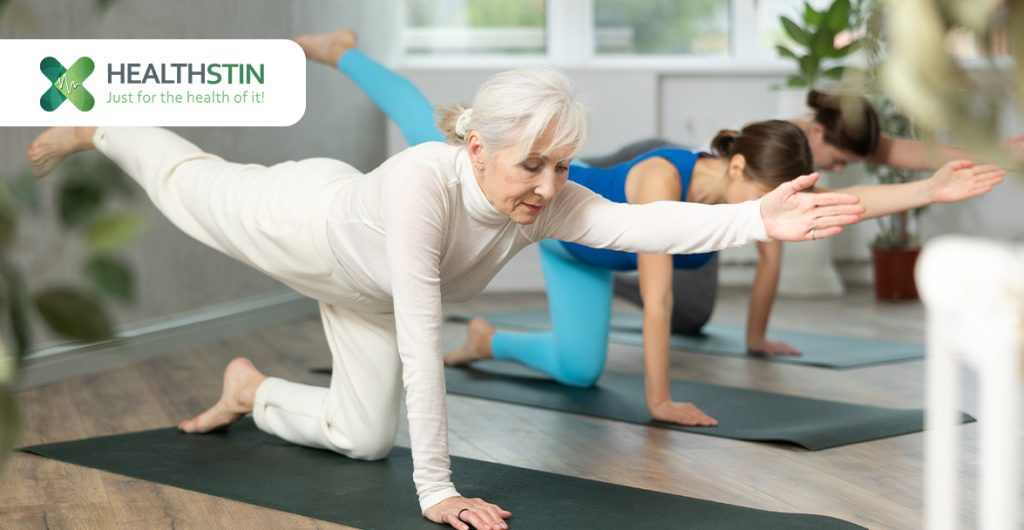
Falls prevention exercises for older adults
Regular exercise is essential for reducing the risk of falls by building strength, improving balance and coordination, enhancing mobility, and boosting overall physical function.
When selecting physical activities for fall prevention, consider the following:
Balance training – Focuses on enhancing postural stability by strengthening the muscles that support balance and proprioception. Exercises like standing on one leg, heel-to-toe walking, yoga, and tai chi are great examples.
Strength training – Aims to build muscle strength and power to improve overall stability. Exercises such as squats, lunges, and leg presses are effective options.
Flexibility exercises – Incorporating stretching into your routine helps improve your range of motion and flexibility, which is key to preventing falls. Aquatic exercises are particularly beneficial, as they increase both strength and flexibility.
Functional training – Focuses on movements that mimic everyday activities, such as climbing stairs or performing sit-to-stand motions, to enhance functional capacity and ease in daily tasks.
Cardiovascular training — Activities like brisk walking, cycling, swimming, and water aerobics help boost endurance, reduce fatigue, and may help prevent falls. Experts recommend at least 150 minutes of moderate-intensity aerobic exercise per week.
Fall prevention strategies
To prevent falls in the workplace, consider these strategies:
Stay physically active – Take your lunch outside and have a brisk walk during your break. Take the stairs and skip the elevators. Park your car a bit farther from the building entrance so you can take a longer walk.
Incorporate balance and strength training exercises – Check out exercises you can do while seated or within the confines of your office space.
Make your workplace fall-proof – Clear your workspace of clutter and furniture that may make you stumble or slip.
Get a regular checkup for your vision and hearing
Be aware of any side effects of the medications you take – Ask your doctor for alternatives that do not make you drowsy. If you have to take medication that can lead to drowsiness, opt to take it at home instead if feasible.
Ensure you get enough sleep – Catching enough zzzs during the evening can pay dividends not only in your work but also in helping you stay steady and balanced during the day.
Limit or avoid alcohol intake – Substitute water and other liquids. Make sure you stay hydrated all day.
Stand up slowly to prevent dizziness – Take your time when getting up from your chair
Before starting any exercise routine, consult an Allied Health professional. Our Exercise Physiologists at Healthstin will first perform an individualised assessment to understand your health status and create a program tailored to your specific needs. As your fitness level improves, they will adjust the intensity, duration, and complexity of your exercises accordingly.
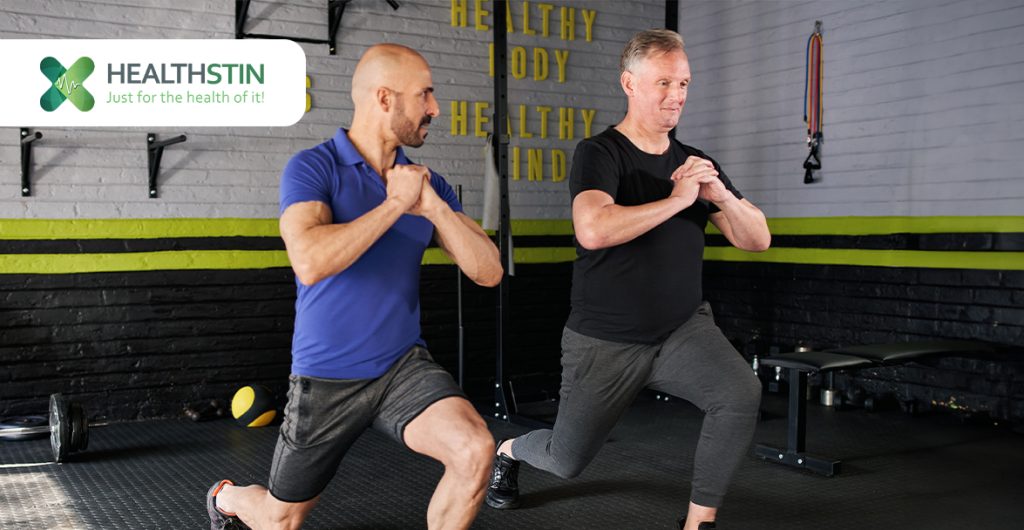
Let our Exercise Experts help you avoid falls and injuries
While falls are common, especially among older adults, they are not inevitable. By following safety precautions at home and engaging in regular exercise, you can significantly reduce the risk of falls. Physical activity is essential for maintaining or enhancing your health and independence.
At Healthstin, our Exercise Experts are well-trained in fall prevention for the elderly and ready to support you with thorough assessments and a personalised exercise plan. Resistance training in the gym can help build overall body strength while pool sessions offer the benefit of water buoyancy, which reduces strain on joints and minimizes pressure on the body while improving strength and endurance.
Call 1300 090 931 or click this link for more information or to book a session.