



There are important reasons why falls are a major cause of concern worldwide. In Australia, the statistics related to incidence of falls have a dramatic impact on public health. Primarily, falls are the nation’s leading cause of hospitalisation due to injury. Among older adults, falls are also the number one cause of accidental injury.
Studies have shown that fall-related injury hospitalisation happens more frequently among adults with increasing age, with 1 in 4 Australian older adults aged 65 and above reporting one fall per year. They are also most likely to happen in the home. Fractures are the most common injury resulting from falls.
As our population ages and the number of older adults increases, the number of accidents due to falls and fall-related injuries and hospitalisation is expected to grow. While falls can happen to anyone, older adults may be more prone to falling due to several reasons. Biological changes that come with the normal ageing process are the main reason for falling because of balance challenges, loss of muscle strength, slower reflexes, vision difficulties, and other health conditions such as dementia, incontinence, and memory gaps.

What are the risks of falls?
Falls can cause injury or death. Hip fracture is the most common injury resulting from falling. Other common fall-related injuries include thigh and wrist fractures and head injuries.
Even if a fall doesn’t cause an injury, it can dampen an individual’s confidence so much so that it can trigger a fear of falling. This can later become a significant barrier to physical activity and a reason for the loss of confidence in self-care. Walking or climbing stairs, performing everyday tasks, or taking care of oneself can suddenly become challenging.
As a vital component of assessing quality of care, falls prevention is part of the recommendations by the National Standards that patients must be screened upon admission and that all individuals 65 years old and above are considered at risk for falls.
What are the risk factors for falls?
Biological changes related to ageing are among the many risk factors for falls. Here are the others:
• Medical Conditions — Parkinson’s disease, stroke, arthritis, dementia, and other neurological or musculoskeletal disorders increase fall risk.
• Medications — Certain medications, such as sedatives, antidepressants, antipsychotics, and drugs that affect blood pressure, can increase the risk of falls.
• Environmental Hazards — Poor lighting, slippery floors, uneven surfaces, and lack of safety equipment contribute to falls.• Behavioural Factors — Fear of falling, inappropriate footwear, and lack of physical activity can increase fall risk.
What is a falls risk assessment?
Falls assessment involves screening and identifying an individual’s risk for falling and coming up with appropriate interventions to prevent falls.
Falls risks are assessed using tools such as the Falls Risks Assessment Tool (FRAT) developed by the Peninsula Health Prevention Services and funded by the Victorian Department of Human Services. FRAT is used to identify the possible risk factors that contribute to the risk of falls and formulate an individualised management plan for patients as part of care planning.
FRAT contains three parts:
1) Fall Risk Status – This is used to establish the individual’s fall risk status, level of risk, and risk classification.
2) Risk Factor Checklist and History of Falls – This part is useful in finding the risk factors that need targeting for management and identifying if the falls are associated with a particular activity, problem, or time of day. This portion can also include information regarding strategies that were used previously.
3) Action Plan – This part contains the strategies to be used to minimise the risks for each of the problems identified earlier.
In general, falls risk assessments will include the following components:
• Medical History – Lists previous falls, chronic conditions, medication use (especially sedatives or drugs affecting balance), and sensory impairments (vision or hearing)
• Physical Examination — Assesses gait and balance, muscle strength, range of motion, proprioception, and neurological function.
• Functional Assessment — Evaluates activities of daily living (ADLs) and instrumental activities of daily living (IADLs).
• Environmental Assessment — Identifies hazards in the individual’s living environment.
• Cognitive Assessment — Determines cognitive status, as impaired cognition can increase fall risk.

What are the interventions recommended for falls prevention?
The list of interventions on how to prevent the risk of falls, especially in elderly or older adult populations, includes:
• Exercise Programs — Balance and strength training can improve muscle strength and coordination.
• Medication Review — Healthcare professionals should review medications and adjust dosages if necessary to minimize side effects that increase fall risk.
• Environmental Modifications — Removing hazards and installing safety equipment like handrails and grab bars can prevent falls.
• Education and Awareness — Providing education on fall prevention strategies and promoting awareness of fall risks can empower individuals to take preventive measures.
• Regular Follow-Up — Periodic reassessment and adjustments to interventions are essential to address changing risk factors.
Fall risk assessment and management generally employ a multidisciplinary approach that involves a team of healthcare professionals, including physicians, nurses, physiotherapists, exercise physiologists, occupational therapists, and pharmacists.
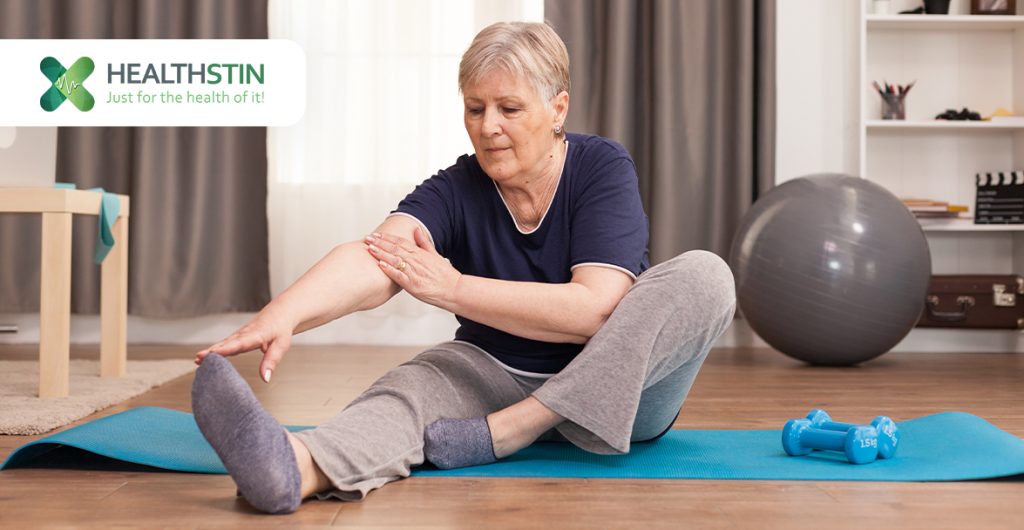
Exercise as part of falls prevention
Some studies have suggested a strong link between exercise and a decrease in the number of falls among older adults. The Evidence Check Review of the NSW Department of Health has revealed significant findings about the role of exercise in falls prevention:
First, exercise that challenges balance is most effective for falls prevention. Second, exercise must be performed a minimum of two hours weekly and ideally be continued for life. Third, exercise can be done at home or within a group program. Fourth, there is some evidence that exercise can be an effective tool for falls prevention if used in a multifaceted approach.
Since the mechanism of falls is related to the degenerative changes in a person’s body, exercise may be tapped to address these changes. Resistance and balance training may help improve muscle strength and balancing ability of the lower limbs.
In addition to balance and strength training, flexibility and endurance exercises may reduce falls, especially among older adults.
The importance of EPs and Physiotherapists in falls prevention
It is also worth mentioning that part of the recommendations for falls prevention by the NSW Department of Health is the need for customised programs tailored to the needs of an individual or group to ensure that the exercise is challenging but safe. This is where the expertise of our Exercise Physiologists (EP) and Physiotherapists is essential: assessing health conditions and creating individualised programs that are suited to your specific conditions and needs.
Improve your Balance and Safety with a Personalised Fall Risk Assessment Plan
Our team of Accredited Exercise Professionals is always ready to support you in falls prevention through exercise intervention. Call us via 1300 090 931 or click this link to connect or book a session.





