Healthy ageing involves creating environments and opportunities that enable people to pursue what matters most to them and stay active throughout their lives. This goal is achievable for everyone, although several factors can influence how well we age. While we can’t control some aspects, like genetics, there are actions we can take to improve our health – such as staying physically active, eating a balanced diet, maintaining mental wellbeing, and seeing the doctor regularly.
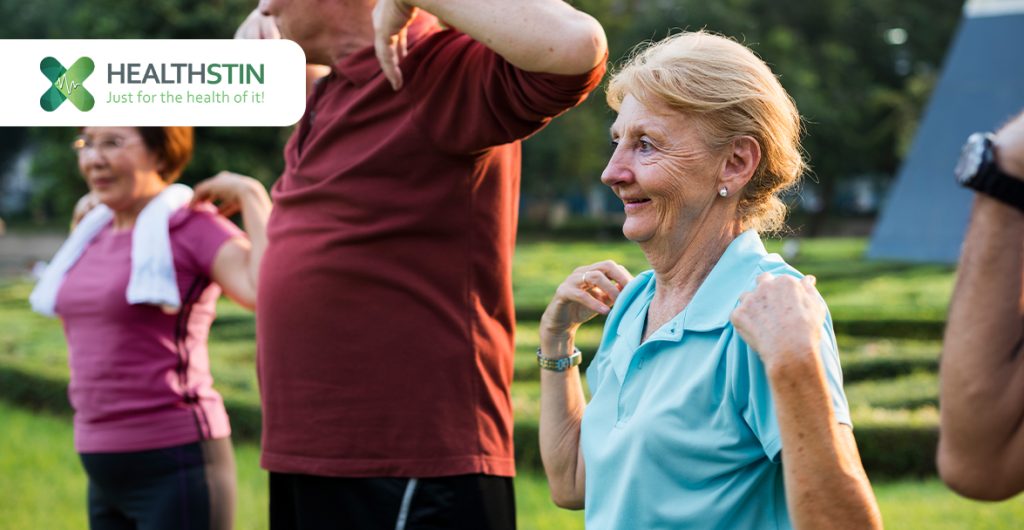
Take these steps to support healthy ageing
As an older adult, there are steps you can take to manage your health, maintain your quality of life, and live as independently as possible. These steps can be grouped into three key areas: physical, mental, and cognitive health.
Why do we move: Looking after your physical health
Exercise is essential for everyone, regardless of age, but it becomes even more critical as we get older. Inactivity and a sedentary lifestyle are concerning because statistics reveal some eye-opening facts. Firstly, over half of Australian adults do not meet the recommended physical activity guidelines. Secondly, nearly half of all working-age adults spend most of their day sitting. Lastly, physical inactivity accounts for 6% of the cancer burden in Australia, ranking second only to smoking.
So, how does exercise benefit the ageing process? Creating an exercise plan can help you lower the risk of diseases like cancer, heart disease, and other chronic conditions while also helping you maintain a healthy weight. It can also reduce anxiety, improve sleep, and enhance balance. Studies show that regular physical activity not only helps people live longer but also enjoy a better quality of life. If you’re not already active, now is an excellent time to start!
Move more daily: How much exercise do you need?
For those aged 64 or older, the Australian guidelines recommend at least 30 minutes of moderate-intensity physical activity most days – preferably daily – totaling 2.5 to 5 hours weekly. For vigorous-intensity exercise, aim for 1.5 to 2.5 hours per week.
If you’ve been inactive or sedentary, it’s wise to consult with an Exercise Physiologist or Physiotherapist before starting any exercise program. These professionals can assess your health status and determine the most suitable types of exercise for your needs and goals. They will also guide you on how to perform exercises safely to maximise benefits and avoid injury.
| Examples of moderate-intensity activities and exercises to enhance healthy ageing: | Balance cardiovascular exercises with strength training activities at least twice a week: |
|
|
| Recommended flexibility exercises for optimal mobility: | Suggested balance exercises help prevent falls: |
|
|
5 easy ways to move your body every day
Research shows that nearly half of working-age Australians spend their workday seated, and only a small percentage meet the recommended 30 minutes of daily physical activity. So, how can you increase your activity levels and daily movement when your day is packed?
| 1/ Be more active at work | Use your lunch break to walk outside or visit a nearby park. Opt for the stairs over the lift or take phone meetings while walking around the block. |
| 2/ Make it social | Exercising with a friend can make it easier to find the time. Next time you catch up, do it on a walk, and you’ll clock up your exercise minutes before you know it. |
| 3/ Use a wearable device | Fitness trackers like FitBit can help you monitor your daily steps, track your progress toward fitness goals, and motivate you to move more. |
| 4/ Choose an active commute | Increase your daily movement easily by walking or cycling to work. Parking further away from your destination can add extra walking time. This way, you burn calories while commuting instead of sitting in traffic. |
| 5/ Take a technology timeout | Instead of spending hours on screens, head outside with family or friends. Go for a group walk, play a sport, or just enjoy nature. |
Eating well for your physical health
Healthy eating is another cornerstone of healthy ageing. Making wise food choices can help prevent age-related health problems. According to the Australian Guide to Healthy Eating, older adults should focus on five essential food groups.
| Five essential food groups: |
|
While some foods like ice cream, custards, or milkshakes may not be considered ‘healthy’ for younger people, they can be suitable for older adults who are nutritionally compromised.
| Key nutrients for older adults: |
|
Special consideration should also be given to eating challenges that older adults face such as difficulty swallowing, loss of appetite, and muscle loss, among many others. This is why consulting with a Dietitian is vital. Combining diet with exercise is a sensible way to achieve healthy ageing.
Additional tips for better physical health
Get quality sleep – Adequate sleep is vital for overall well-being, memory, and mood. Poor sleep can lead to irritability, depression, and an increased risk of falls. Studies have shown that getting less than six hours of sleep per night in your 50s and 60s may increase your risk of developing dementia later in life.
Quit smoking and drink less – Quitting smoking and reducing alcohol intake can significantly improve your health by lowering your risk of cancer, heart attack, lung disease, and other conditions.
See your doctor regularly – Regular check-ups can help catch chronic diseases early and reduce the risk of health issues like high cholesterol and high blood pressure.
Looking after your mental wellbeing
Mental wellbeing is just as important as physical health in the ageing process. It impacts how we think, feel, and relate to others. Some key factors to consider include:
Social isolation and loneliness – Biological changes associated with ageing, such as memory loss, reduced mobility, and the loss of loved ones, can make social connections more challenging, leading to loneliness. Staying connected with family and friends, joining social groups, or taking up new hobbies can boost mental health.
Chronic stress – High levels of stress hormones like cortisol can harm your brain and memory, increasing the risk of dementia. Strategies such as meditation, exercise, journalling, or engaging in enjoyable activities can help manage stress.
Depression – Depression has been linked to an increased risk of heart disease, metabolic disorders, and dementia. Professional help and engaging in activities you enjoy, such as sports, music, or volunteering, can improve mental health.
While everyone’s brain changes with age, dementia is not a normal part of the ageing process. It’s best to see your medical professional for advice on brain health.

Taking care of your cognitive health
Cognitive health – our ability to think clearly, learn, and remember – also changes as we age. Physical activity, diet, and engaging in mentally stimulating activities all play a part in maintaining cognitive health. Studies suggest that even small lifestyle changes can dramatically lower the risk of conditions like Alzheimer’s.
Brain training programs are available, but evidence supports learning new skills as an effective way to enhance memory and stave off cognitive decline as we age.
Let our Experts help you with your diet and exercise plan
Every small step you take adds up in the long run. It’s never too late to start exercising – any movement can reduce the risk of illnesses and chronic conditions. It’s also worth eating a better diet to improve your health at any age, regardless of your current health condition.
If you’re not sure how and where to start, fret not. Let our Exercise Physiologists, Physiotherapists, and Expert Dietitian at Healthstin help you get started on your journey toward healthy ageing through a sensible diet and exercise program.
Call 1300 090 931 or click this link to book a session today.