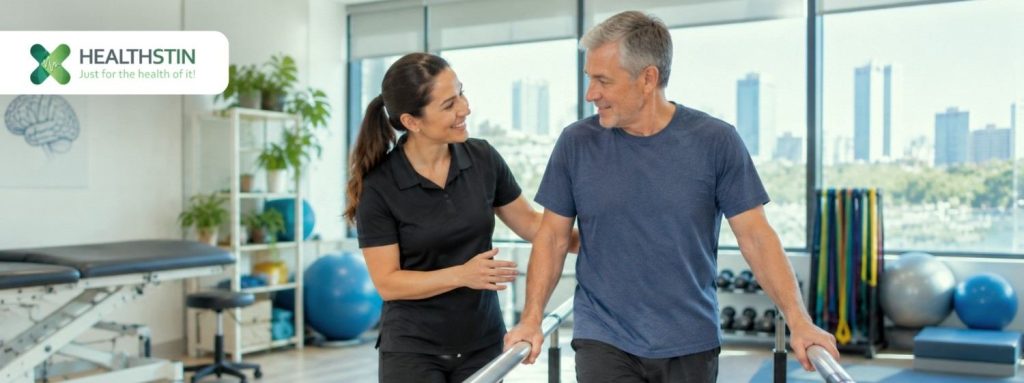
When people get older, one of their biggest regrets is that they didn’t spend enough time taking care of their health. Complicated health problems in older people are a sign of this, as most of them become less active as they age and become more dependent on their loved ones for help.
So, it’s important to exercise and do physical activities as long as you can, and the same goes for older people.
But would it be too risky to require older people to exercise? Exercise for older people can be daunting, this is where working with an exercise physiologist to help develop an appropriate and safe exercise program can be helpful. If you want to find an exercise physiologist in Hurstville, visit our page.
There are a number of normal biological processes and increased risk of cardiovascular disease that occurs as a person ages, and exercise can help to reduce or avoid some of these. Let’s talk about the benefits of exercise for older people so we can see how it can help them maintain their independence.

How does exercise affect ageing?
The benefits of exercise go beyond building muscle strength and improving physical endurance. Research suggests that regular exercise amongst seniors can significantly enhance longevity, physical wellbeing, and mental health. Discover some of these benefits below.
| PHYSICAL BENEFITS | MENTAL BENEFITS |
| Weight loss and maintenance
Ageing can slow down metabolism, making it more difficult to shed excess weight. However, engaging in regular physical activity can help boost metabolism and burn calories more efficiently. |
Improves sleep
Ageing can significantly affect sleep patterns, and disrupted sleep can lead to a range of health problems. Regular physical activity can promote better sleep, which enhances focus, memory, and cellular repair, whilst also strengthening the immune system to help prevent illness. |
| Builds muscle strength
Exercise, particularly strength or resistance training, is well-known for increasing muscle strength. For older adults, it is important as it helps with everyday tasks like cleaning, cooking, and climbing stairs. This reduces the risk of falls and supports maintaining independence at home. |
Boosts cognitive and brain functions
Exercise can help sharpen cognitive skills such as multitasking and creativity, whilst also helping to prevent memory loss, cognitive decline, and dementia. Increased physical activity may even help to stave off brain diseases such as Alzheimer’s. Cognitive exercises like problem-solving and reading are also beneficial. |
| Improves bone density
Exercise can help to counteract the loss of bone density, particularly in the younger years, and prevent osteoporosis – a condition that weakens bones and increases the risk of fractures as one gets older. |
Releases endorphins
Endorphins, the body’s ‘happy hormones’, are released during physical activity. They help to reduce the risk of depression and anxiety.
|
| Helps prevent and combat diseases
Exercise strengthens both the immune and digestive systems. It can lower the risk of developing Alzheimer’s disease, diabetes, obesity, heart disease, osteoporosis, and certain cancers – conditions that become more prevalent as we age. |
Boosts confidence and self-esteem
Maintaining a healthy body and building strength can greatly enhance self-confidence. Additionally, exercise promotes participation in fun social activities, which helps to maintain strong social connections. |
| Improves mobility, flexibility, and balance
Certain exercises such as Tai Chi, yoga, and Pilates can enhance strength, posture, and flexibility, thereby improving balance and coordination. This helps to reduce the likelihood of trips and falls. Strength training can also ease pain and stiffness associated with chronic conditions like arthritis. |
Increases social interaction and connection Participating in group exercises or team sports fosters social interaction, which can combat loneliness and promote feelings of belonging, boosting mental wellbeing. Exercising with friends or a community can enhance motivation and provide emotional support.
|
Exercises for older adults
For older adults aged 65 years and above, the Australian guidelines call for at least 30 minutes of moderate-intensity activity on most days. It helps to start prudently, easing into your routine and increasing the intensity and duration only when you’ve gotten stronger and fitter. It can also be beneficial to incorporate different types of activities to keep your regimen interesting and easier to sustain in the long term.
| Exercise/activity | Description & benefits |
|
Walking |
Walking is a low-impact aerobic exercise that is safe for most older adults. It helps improve cardiovascular health, enhance mood, and maintain balance. |
|
Strength training |
Strength training exercises, like lifting light weights or using resistance bands, help maintain muscle mass, which declines with age. It also supports joint health and reduces the risk of falls. |
|
Tai Chi |
Tai Chi is a gentle form of exercise that focuses on balance, flexibility, and coordination. It is particularly effective for reducing the risk of falls and improving mobility in older adults. |
|
Swimming and water aerobics |
Water-based exercises provide a full-body workout while reducing strain on joints. Swimming and water aerobics improve cardiovascular health, flexibility, and muscle tone without high-impact stress. |
|
Yoga |
Yoga helps improve flexibility, strength, and balance whilst promoting relaxation and stress reduction. It also enhances mobility and joint health, which are critical for ageing adults. |
|
Chair exercises |
Chair exercises, such as seated leg lifts or arm raises, are beneficial for seniors with mobility limitations. These exercises help improve strength and flexibility whilst minimising the risk of injury. |
|
Balance exercises |
Balance exercises are essential for preventing falls, which are common among older adults. Simple activities like standing on one leg or using a balance board can help. |
These exercises are generally safe for ageing adults, but it’s always advisable to consult a healthcare provider before starting any new exercise routine, especially if you have existing health concerns or have been sedentary for a long while.
Let our Exercise Experts help plan your active ageing program
Exercising in later life can be challenging without the right guidance. Starting or maintaining a regular fitness regimen can be difficult at any age, and it only gets harder as we grow older. You may be worried about health issues, soreness, or injuries. If you’ve never exercised before, you might not know where to begin or feel too old or frail to meet the goals you once set. Or perhaps, you simply don’t enjoy working out.
Whilst these concerns might seem valid reasons to slow down and rest as you age, they are, in fact, excellent reasons to start exercising. Being more active can lift your spirits, reduce stress, help manage symptoms of illness and discomfort, and enhance your overall wellbeing. No matter your age or physical condition, it’s never too late to start moving, improve your health, and age well.
If you’re noticing the effects of ageing and need an exercise program tailored for your needs, we recommend seeing one of our Exercise Physiologists at Healthstin who can help you achieve your goals. Give us a call via 1300 090 931 or click this link to book a session or to get more info.
Be Active! Plan your workout routine with your Exercise Physiologist
Exercising and ageing can be daunting without proper supervision. In fact, starting or sustaining a regular fitness program can be difficult at any age, and it only gets more difficult as you get older.
You may be concerned about your health issues, soreness, or injuries or falls. If you’ve never worked out before, you might be unsure where to start, or you might believe you’re too old or weak to meet the objectives you set for yourself when you were younger. Perhaps you simply dislike working out.
While these may appear to be valid reasons to slow down and relax as you age, they are also excellent reasons to begin exercising. Being more active can elevate your mood, lessen stress, assist you in controlling the signs and symptoms of sickness and discomfort, and improve your general wellbeing. Additionally, you don’t need to engage in demanding activities or frequently visit the gym to enjoy the health benefits of exercise.
You can gain benefits from gradually increasing your physical activity and movement. No matter your age or physical condition, it is never too late to start your body moving, improve your health and outlook, and age better.
If you are feeling the symptoms of ageing and need the appropriate exercise program, then we recommend seeing an exercise physiologist to help you achieve your goals. If you are in need of an exercise physiologist at Hurstville, give us a call at 1300 090 931 or email us on [email protected]. You can also visit our Exercise Physiology Hurstville page here.
ALSO READ: Exercise and Dementia: The Importance of Physical Activity