Injuries are a significant public health concern in Australia. According to the Australian Institute of Health and Welfare, in 2022–23, there were approximately 1.9 million emergency department presentations and over 549,000 hospitalisations due to injuries. These numbers highlight the importance of structured and effective rehabilitation strategies to support recovery and minimise the risk of further complications.
What is Exercise Physiology?
Exercise Physiology is the science of how the body responds to physical activity and how exercise can be used to treat a variety of medical conditions. In Australia, Accredited Exercise Physiologists (AEPs) are university-qualified Allied Health professionals who specialise in exercise interventions for chronic disease management, injury recovery, and prevention.
One of the greatest advantages of working with an AEP is access to tailored injury recovery programmes. These exercise prescriptions are not one-size-fits-all. They are developed based on a comprehensive assessment of the patient’s injury, medical background, goals, and lifestyle. This personalisation enhances recovery by targeting the specific muscles, joints, or movements affected by the injury.
How Exercise Physiology can help improve injury recovery
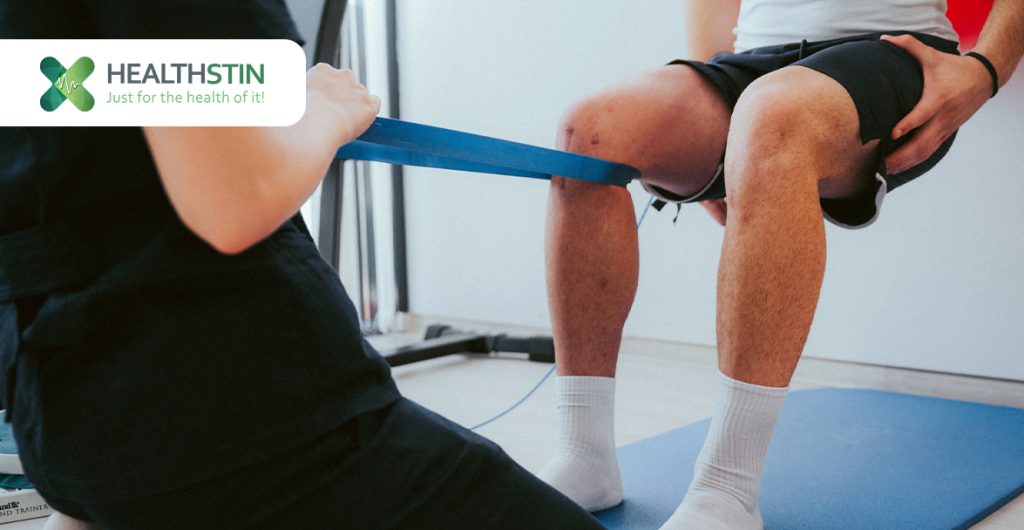
Post-surgical rehabilitation is a critical component of a successful recovery. Whether it’s after a knee reconstruction, shoulder repair, or spinal surgery, AEPs design safe and progressive exercise programmes that help improve mobility, rebuild strength, and reduce stiffness or swelling. They also work collaboratively with surgeons, GPs, and Physiotherapists to ensure a unified and coordinated approach to care.
Exercise Physiologists use evidence-based rehabilitation methods grounded in the latest clinical research. For example, protocols such as eccentric loading are commonly used in tendon rehab, including Achilles and patellar tendinopathies. By aligning treatments with current best-practice guidelines, AEPs can help reduce pain, improve function, and support safe reintegration into daily activities – from walking and lifting to sport-specific movements.
For further reading, visit the Australian Physiotherapy Association or Exercise & Sports Science Australia (ESSA), the peak professional body for AEPs.
Exercise for mental health during rehab
Injury can take a toll not only physically but also emotionally. Limited mobility, reduced independence, and pain can lead to frustration, anxiety, or even depression. Fortunately, structured exercise for mental health programmes are proven to boost mood and reduce stress. According to Better Health Channel, physical activity improves the release of feel-good chemicals such as endorphins, which can have a profound impact on overall wellbeing – especially during injury recovery.
Exercise Physiology and Hydrotherapy for injury rehabilitation
Hydrotherapy is a highly effective treatment modality often used by Exercise Physiologists to support injury rehabilitation, especially in the early stages when weight-bearing activities may be painful or contraindicated.
By performing exercises in warm water, patients benefit from buoyancy, reduced joint load, and increased circulation, which helps reduce swelling and promote tissue healing. This is particularly valuable for individuals recovering after joint replacements, fractures, spinal injuries, and soft tissue strains.
| Hydrotherapy Benefits | How It Can Help in
Injury Recovery |
|
Reduced Joint Loading |
• Water buoyancy reduces the impact on joints and muscles • Allows pain-free movement
|
|
Pain Relief |
• Warm water improves blood flow • Relaxes tight muscles • Eases pain and stiffness
|
|
Improved Range of Motion |
Resistance and support in water help restore flexibility without overstressing the injury.
|
|
Faster Muscle Recovery
|
• Enhanced circulation promotes healing • Reduces inflammation post-injury or surgery |
|
Enhanced Balance & Coordination |
Water provides a safe environment to retrain balance and stability after injury.
|
|
Low-Risk Strengthening |
• Resistance of water helps safely rebuild muscle strength • Minimises added strain or load.
|
|
Increased Confidence |
A supportive aquatic setting encourages movement, especially for those hesitant to exercise after an injury.
|
|
Mental Wellbeing Support |
Gentle aquatic movement can reduce stress and anxiety, aiding holistic recovery.
|
In Australia, many Accredited Exercise Physiologists work within leisure and aquatic centres or collaborate with Physiotherapists to deliver Hydrotherapy programmes tailored to each individual’s needs. These sessions often incorporate gentle range-of-motion movements, core strengthening, gait retraining, and cardiovascular conditioning – all whilst ensuring a low-risk, supportive environment.
Hydrotherapy not only accelerates recovery but also improves patient confidence and mobility, making it an ideal bridge from passive rehabilitation to active land-based exercise. It’s especially beneficial for older adults or clients with comorbidities where traditional rehab might feel intimidating or difficult.
Preventing re-injury with corrective exercise
One of the goals of an AEP is to prevent re-injury by correcting dysfunctional movement patterns, strengthening weak areas, and improving flexibility and balance. Patients are also educated on posture, lifting techniques, and ergonomic considerations relevant to their job or daily life. This proactive approach not only helps patients heal but also sets them up for a stronger, more resilient future.
Here are some examples of corrective exercises that your AEP may utilise for your injury rehab:
| Focus
Area |
Corrective Exercise | Purpose |
|
Posture & Core |
|
|
|
Knee Stability |
|
|
|
Shoulder Mobility |
|
Enhances shoulder blade control
|
|
Ankle & Foot Control
|
|
|
|
Hip & Pelvic Alignment |
|
|
|
Thoracic Spine Mobility |
|
|
|
Hamstring Strength |
|
|
| Functional Movement |
|
|
Note: The corrective exercises provided by Accredited Exercise Physiologists (AEPs) are designed to support your injury rehabilitation based on your individual assessment. However, these exercises are not a substitute for medical treatment or diagnosis. Always consult with your healthcare professional before starting any exercise programme. If you experience pain or discomfort during any exercise, stop immediately and seek professional advice.
ALSO READ: Best Exercises for Injury Prevention (2025)
Who can access Exercise Physiology services in Australia?
In Australia, Exercise Physiology services can be accessed through:
- Medicare (via GP referral under a Chronic Disease Management Plan)
- Private health insurance
- NDIS (National Disability Insurance Scheme)
- Aged Care – including CHSP (Commonwealth Home Support Programme) and HCP (Home Care Package)
- Veterans’ Affairs (DVA)
- Workers’ compensation schemes
Accredited Exercise Physiologists are recognised Allied Health providers, and their services are eligible for rebates under many of these systems (ESSA). How can I find an exercise physiologist near me.
Why choose an Accredited Exercise Physiologist?
AEPs are not just personal trainers with a degree. They hold extensive knowledge of human anatomy, pathophysiology, and biomechanics. Most importantly, they are equipped to work with patients who have complex conditions – including cardiovascular disease, diabetes, arthritis, neurological injuries, and post-operative needs. Their interventions are clinically justified, measurable, and designed to produce long-term health outcomes.
Find an Expert Exercise Physiologist near me
If you’re recovering from an injury, exercise physiology can significantly enhance your rehabilitation outcomes. AEPs are uniquely positioned to support your physical and mental recovery through personalised, evidence-based exercise programmes that promote long-term health and independence.
Whether you’re regaining strength after surgery, overcoming a sports injury, or managing a chronic condition, working with an Accredited Exercise Physiologist ensures your recovery is in expert hands.
Get in touch with our Allied Health Team at Healthstin today. Our Exercise Physiologists as well as Physiotherapists are ready to help you rehabilitate and recover from an injury.
Call 1300 090 931 or click here now to book your consultation.