Down syndrome, a genetic condition caused by the presence of an extra chromosome 21, is the most common chromosomal disorder in Australia. According to the Australian Institute of Health and Welfare, approximately 1 in every 1,100 babies born in Australia has Down syndrome. This translates to about 265 births annually. Early intervention is crucial for children with Down syndrome to support their development and enhance their quality of life.
Early Intervention Down Syndrome Therapy:
The importance of starting young
Early intervention refers to the provision of specialised support and services to infants and young children with developmental delays or disabilities. For example, starting Hydrotherapy at a young age can maximise developmental gains during critical periods of growth. In Australia, programmes such as the National Disability Insurance Scheme (NDIS) provide support for early intervention services, including Hydrotherapy.
Involving families in Hydrotherapy sessions ensures that the therapy is tailored to the child’s needs and integrates into their daily routines. Family-centred practices empower parents and caregivers, fostering a collaborative environment that supports the child’s development.
Recommended activities for Down Syndrome
Engaging in regular activities is vital for people with Down Syndrome to build confidence, develop social skills, and stay physically active. Therapeutic and recreational activities should be fun, goal-oriented, and matched to the individual’s developmental level.
These may include the following:
- Swimming
- Hydrotherapy
- Dance
- Modified team sports
- Yoga, and
- Sensory-based play
Many Australian organisations, such as Sport Inclusion Australia and Special Olympics Australia, provide inclusive sport and recreation programmes designed to support people with intellectual disabilities. Structured group activities also encourage routine, communication, and peer interaction – key elements in fostering independence and emotional wellbeing.
What is Hydrotherapy?
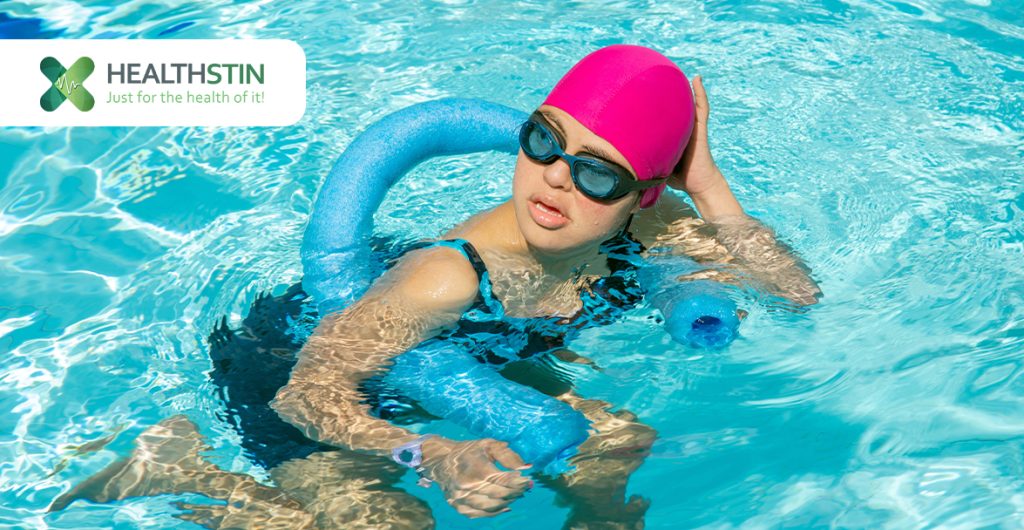
Hydrotherapy, also known as aquatic therapy, involves performing therapeutic exercises in warm water. The buoyancy, resistance, and warmth of the water provide a unique setting that can aid in physical rehabilitation and development. For children, Hydrotherapy sessions are often designed to be playful and engaging, making therapy a fun experience.
Benefits of Hydrotherapy for Children with Down Syndrome
|
Improves gross motor skills |
Children with Down syndrome often experience hypotonia (low muscle tone) and joint laxity, which can delay the development of gross motor skills such as sitting, crawling, and walking.
Hydrotherapy provides a supportive environment where children can practice movements with reduced gravitational forces, facilitating the development of these essential skills. |
|
Enhances balance and coordination
|
The resistance of water challenges children’s balance and coordination in a safe setting.
Regular Hydrotherapy sessions can improve these areas, which are vital for daily activities and overall mobility. |
|
Promotes cardiovascular fitness |
Engaging in aquatic exercises can improve cardiovascular health.
For children with Down syndrome, who may have an increased risk of heart conditions, Hydrotherapy offers a gentle way to enhance heart and lung function. |
|
Supports respiratory function |
The hydrostatic pressure of water can aid in strengthening respiratory muscles. This is particularly beneficial for children with Down syndrome, who may experience respiratory challenges. |
|
Promotes sensory integration and relaxation |
The warm-water environment provides sensory input that can help children with Down syndrome process it more effectively.
Additionally, the calming nature of water can reduce anxiety and promote relaxation. |
Physiotherapy for Down Syndrome
Physiotherapy plays a crucial role in supporting individuals with Down Syndrome to improve their strength, balance, coordination, and mobility. From infancy, Physiotherapists can assist with early motor development, addressing low muscle tone (hypotonia) and joint laxity – common traits in children with Down Syndrome.
In adolescence and adulthood, Physiotherapy continues to help with posture and gait, and to promote physical activity to prevent secondary conditions such as obesity and musculoskeletal issues.
Tailored exercise programmes delivered by accredited Physiotherapists can also help improve cardiovascular fitness and support overall wellbeing. Many NDIS-funded services in Australia include Physiotherapy as part of a multidisciplinary approach. According to Down Syndrome Australia, Physiotherapy should be adapted to suit the individual’s goals and abilities, with a focus on functional movement and participation in daily activities.
Access Hydrotherapy for Children with Down Syndrome at Healthstin
At Healthstin, we take pride in offering Hydrotherapy services designed to support children with Down syndrome as part of our early intervention programmes. Delivered by our experienced team of Physiotherapists and Accredited Exercise Physiologists, our sessions are tailored to each child’s unique needs – helping them build strength, coordination, and confidence in a fun, safe, and supportive aquatic environment.
Hydrotherapy is more than just exercise in the water. It’s a powerful, evidence-based approach that promotes physical development, sensory integration, and emotional wellbeing. Combined with Physiotherapy, family-centred care, and funded support through the NDIS, it can play a pivotal role in a child’s developmental journey.
If you or someone you know is looking for personalised Hydrotherapy support, contact our Allied Health Team at Healthstin today. Our Exercise Physiologists and Physiotherapists, all of whom are accredited Learn to Swim instructors, are ready to help you explore NDIS-funded options and start building healthy habits for life.
Call 1300 090 931 or click here now to book your consultation.