


Sickness and injuries have a significant impact on workplace productivity as well as the health and wellbeing of workers in Australia. According to the Australian Bureau of Statistics, close to half a million workers experience a work-related illness or injury every year.
Over half of that number will require time off from work. The most commonly reported causes of injuries include strains and sprains resulting from lifting, pulling, pushing, or bending movements, repetitive tasks, and poor ergonomics.

Injury at the workplace
When an injury occurs on the job, it can have far-reaching consequences, not only for the affected individual but also for their employer and the broader workplace environment. Injuries can lead to lost productivity, increased absenteeism, and financial strain. Moreover, untreated injuries can exacerbate over time, potentially resulting in chronic health issues and long-term disability.
Understanding workplace rehabilitation
Injuries at the workplace are not uncommon occurrences. Whether it’s a slip, trip, fall, or a more severe incident, such as a machinery accident, employees can find themselves facing physical and psychological challenges as a result of workplace injuries. Workplace rehabilitation is the proactive response to such incidents, focusing on restoring employees’ health and helping them reintegrate into the workforce.
Workplace rehabilitation can be defined as the process of providing support and guidance to an injured or sick worker to enable a safe and timely return to work. D The rehabilitation process seeks to explore the best ways for a worker to remain at work and keep their work skills while the goal of rehabilitation is to help the worker return to the job they had pre-injury.
Should the worker be unable to return to their pre-injury job soon after their injury, a Suitable Duties Program as outlined in the Workers’ Compensation and Rehabilitation Act 2003 s42 will be tapped to enable the worker to return to work over an extended period of time.
ALSO READ: Understanding Workers’ Compensation for Psychological Injuries
The importance of workplace rehabilitation
According to the State Insurance Regulatory Authority (SIRA), the government organisation responsible for regulatory functions including workers compensation in NSW, recovery at work is important due to the following reasons:
- Research findings demonstrate that the longer a worker is away from work, the less the likelihood that they would be able to return to work
- Staying physically active post-injury can reduce the pain symptoms and assist workers to return to their usual activities both at home and the workplace sooner
- Working can help workers stay physically active – a vital part of the recovery and treatment process
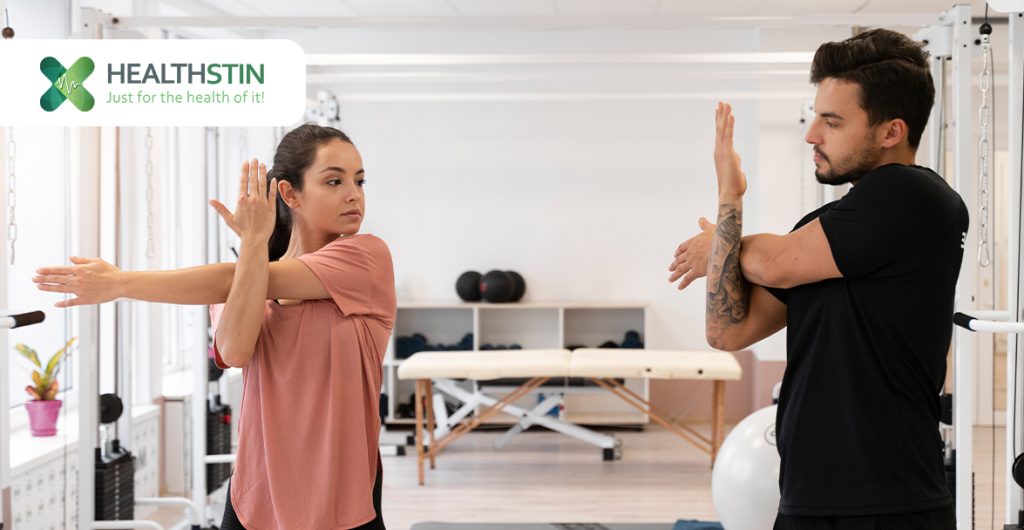
The Role of Workplace Rehabilitation Services
Workplace rehabilitation services play a crucial role in mitigating the adverse effects of workplace injuries. These services are designed to provide tailored support to injured workers, helping them navigate the challenges of recovery and return to work. From physical therapy and rehabilitation exercises to psychological counseling and vocational training, workplace rehabilitation services offer a comprehensive approach to injury management and recovery.
In NSW, workplace rehabilitation services are governed by strict regulations and guidelines aimed at ensuring the safety and well-being of workers. Employers have a legal obligation to provide injured workers with access to appropriate rehabilitation services and support their return to work efforts. By partnering with accredited rehabilitation providers, employers can tap into a wealth of expertise and resources to facilitate the rehabilitation process and promote positive outcomes for injured workers.
Research by the Australian Rehabilitation Providers Association (ARPA) reveals that enlisting Workplace Rehabilitation Providers (WRPs) can be effective in helping workers with injury or illness get back to work through workplace-based interventions.
In addition, the research also found that the approach taken by WRPs can result in more durable, more sustainable positive outcomes. This is especially important since recurrent disabilities will not only be more costly compared to the initial episodes but will also result in greater loss of productivity due to increased absence duration with each subsequent recurrence of the disability.
The benefits of workplace rehab in NSW
The benefits of workplace rehabilitation extend beyond the individual level to encompass broader organizational and societal advantages. By investing in the health and well-being of their workforce, employers can create a safer and more productive work environment. Employees who receive timely and effective rehabilitation support are more likely to recover fully from their injuries and resume their normal duties, minimising the impact on productivity and business operations.
Moreover, workplace rehabilitation can help reduce the burden on the healthcare system by preventing unnecessary disability claims and hospitalizations. By facilitating early intervention and rehabilitation, employers can help injured workers return to work sooner, reducing the need for prolonged medical treatment and rehabilitation services.
Promoting a culture of safety and support in the workplace
Ultimately, workplace rehabilitation is about more than just complying with legal requirements – it’s also about fostering a culture of safety, support, and wellbeing. By prioritising the health and safety of their employees, employers can create an environment where workers feel valued, respected, and supported in their journey to recovery.
Effective workplace rehabilitation programs are built on collaboration, communication, and compassion. Employers, employees, rehabilitation providers, and other stakeholders must work together to develop tailored rehabilitation plans that address the unique needs and circumstances of injured workers.
By offering a continuum of care that encompasses physical, psychological, and vocational support, employers can empower their employees to overcome the challenges of injury and return to meaningful employment.
Exercise Physiology and Physiotherapy as an essential part of workplace rehabilitation
Both Exercise Physiology and Physiotherapy play significant roles in workplace rehabilitation programs:
Exercise Physiologists (EPs) specialise in prescribing exercise as a form of treatment for various conditions, injuries, and illnesses. In workplace rehabilitation programs, our EPs will assess an individual’s physical capabilities, design tailored exercise programs, and supervise their implementation.
They will focus on improving strength, flexibility, endurance, and overall physical function to help employees recover from injuries sustained at work. Additionally, they can also educate workers on injury prevention techniques and promote healthy lifestyle behaviours.
Physiotherapists are experts in musculoskeletal health and rehabilitation. They assess and diagnose injuries or physical limitations, develop personalised treatment plans, and provide hands-on therapies such as Remedial Massage, manipulation, and mobilisation.
In workplace rehabilitation, Physiotherapists work closely with injured employees to restore mobility, reduce pain, and regain functional abilities. They may also provide ergonomic assessments and give advice regarding modifications to workstations or tasks to prevent future injuries.
Our Exercise Physiologists and Physiotherapists will collaborate with other healthcare professionals, employers, and insurers to facilitate safe and timely return-to-work strategies for injured workers. They play pivotal roles in optimising the physical health and wellbeing of employees in the workplace environment.
Clearly, workplace rehabilitation is a vital component of injury management and occupational health and safety. Our Allied Health Team of Exercise Physiologists and Physiotherapists at Healthstin is always ready to support employers and organisations whose workers require workplace rehabilitation. Call 1300 090 931 or click this link to connect with us today.





