Skip to content

We are looking for a Physiotherapist to join our team. Click here to apply

Free 10-Min Phone Consultation
[email protected]
1300 090 931
HealthStin logo with tagline.
a green rectangle with white text
a purple sign with white text
  • About Us
    • Why Choose Us
    • Our Team
    • Blog
    • News
    • Contact Us
    • FAQs
  • Services
    • Exercise Physiology
    • Hydrotherapy
    • Group Classes
    • Heal Program
    • Physiotherapy
    • Remedial Massage Therapy
    • Acupuncture
    • Insurances
    • NDIS
    • Home Care Packages
    • Commonwealth Home Support Program
    • Support at Home
    • Workers Compensation
    • Department of Veterans’ Affairs
    • Delivery Methods
    • In Clinic
    • Hydrotherapy Pool
    • Gym
    • Mobile
    • In-home Visits
    • Local Community Visits
    • Telehealth
  • Our Clinics
    • Sans Souci, NSW
      • Exercise Physiology at Healthstin Sans Souci
      • Hydrotherapy at Healthstin Sans Souci
      • Physiotherapy at Healthstin Sans Souci
    • Hurstville, NSW
      • Exercise Physiology at Healthstin Hurstville
      • Hydrotherapy at Healthstin Hurstville
      • Physiotherapy at Healthstin Hurstville
    • Brimbank, VIC
      • Exercise Physiology at Healthstin Brimbank
      • Hydrotherapy at Healthstin Brimbank
      • Physiotherapy at Healthstin Brimbank
    • Melton, VIC
      • Exercise Physiology at Healthstin Melton
      • Hydrotherapy at Healthstin Melton
      • Physiotherapy at Healthstin Melton
    • Elizabeth, SA
      • Exercise Physiology in Elizabeth
      • Hydrotherapy in Elizabeth
      • Physiotherapy in Elizabeth, SA
    • Salisbury, SA
      • Exercise Physiology in Salisbury
      • Hydrotherapy in Salisbury
      • Physiotherapy in Salisbury
    • Belmont, WA
      • Exercise Physiology in Belmont, WA
      • Hydrotherapy in Belmont
      • Physiotherapy in Belmont
  • Our Expertise
    • Health conditions we support include:
    • Stroke Rehab
    • Intellectual Disabilities
    • Autism Spectrum Disorder
    • Cerebral Palsy
    • Multiple Sclerosis
    • Anxiety & Depression
    • Obesity
    • Spinal Cord Injury
    • Down Syndrome
    • Arthritis
  • Careers
    • Explore Job Opportunities
    • Exercise Physiologists Careers
    • Physiotherapists Careers
    • New Graduate
    • Recruitment FAQs
  • Resources
    • Free e-book
    • Free NDIS Consultation
    • Free Aged Care Consultation
    • New Patient Form
    • Referral Form
    • HealthLink Referral
  • Free 10-Min Phone Consultation

a green rectangle with white text
a purple sign with white text

Popular Keywords

Categories

No Record Found

View More
HealthStin logo with tagline.
We are looking for a Physiotherapist to join our team. Click here to apply
[email protected]
1300 090 931
  • About Us
    • Why Choose Us
    • Our Team
    • Blog
    • News
    • Contact Us
    • FAQs
  • Services
    • Exercise Physiology
    • Hydrotherapy
    • Group Classes
    • Heal Program
    • Physiotherapy
    • Remedial Massage Therapy
    • Acupuncture
    • Insurances
    • NDIS
    • Home Care Packages
    • Commonwealth Home Support Program
    • Support at Home
    • Workers Compensation
    • Department of Veterans’ Affairs
    • Delivery Methods
    • In Clinic
    • Hydrotherapy Pool
    • Gym
    • Mobile
    • In-home Visits
    • Local Community Visits
    • Telehealth
  • Our Clinics
    • Sans Souci, NSW
      • Exercise Physiology at Healthstin Sans Souci
      • Hydrotherapy at Healthstin Sans Souci
      • Physiotherapy at Healthstin Sans Souci
    • Hurstville, NSW
      • Exercise Physiology at Healthstin Hurstville
      • Hydrotherapy at Healthstin Hurstville
      • Physiotherapy at Healthstin Hurstville
    • Brimbank, VIC
      • Exercise Physiology at Healthstin Brimbank
      • Hydrotherapy at Healthstin Brimbank
      • Physiotherapy at Healthstin Brimbank
    • Melton, VIC
      • Exercise Physiology at Healthstin Melton
      • Hydrotherapy at Healthstin Melton
      • Physiotherapy at Healthstin Melton
    • Elizabeth, SA
      • Exercise Physiology in Elizabeth
      • Hydrotherapy in Elizabeth
      • Physiotherapy in Elizabeth, SA
    • Salisbury, SA
      • Exercise Physiology in Salisbury
      • Hydrotherapy in Salisbury
      • Physiotherapy in Salisbury
    • Belmont, WA
      • Exercise Physiology in Belmont, WA
      • Hydrotherapy in Belmont
      • Physiotherapy in Belmont
  • Our Expertise
    • Health conditions we support include:
    • Stroke Rehab
    • Intellectual Disabilities
    • Autism Spectrum Disorder
    • Cerebral Palsy
    • Multiple Sclerosis
    • Anxiety & Depression
    • Obesity
    • Spinal Cord Injury
    • Down Syndrome
    • Arthritis
  • Careers
    • Explore Job Opportunities
    • Exercise Physiologists Careers
    • Physiotherapists Careers
    • New Graduate
    • Recruitment FAQs
  • Resources
    • Free e-book
    • Free NDIS Consultation
    • Free Aged Care Consultation
    • New Patient Form
    • Referral Form
    • HealthLink Referral
  • Free 10-Min Phone Consultation

a green rectangle with white text
a purple sign with white text
Popular Keywords
Categories

No Record Found

View More

Is Depression a Hidden Disability?: Using Exercise to Help Manage Depressive Symptoms

  • Published Date: Monday 07, October 2024
Last Update: Wednesday 12, November 2025
Written by: Rachelle Sultana (PhD, Accredited Exercise Physiologist)
Author Profile Image

Rachelle Sultana (PhD, Accredited Exercise Physiologist)

Allied Health Coordinator

Dr. Rachelle leads the Allied Health Team at Healthstin Pty Ltd as Senior Exercise Physiologist and Allied Health Coordinator. She…

View Profile
  • Linkedin circle Logo
  • Email circle Logo
  • Call circle Logo
  • Link circle Logo

Summary

Depression, a persistent low mood affecting 1 in 7 Australians, is a major public health concern often classified as a psychosocial disability when it interferes with daily life. A crucial part of a comprehensive treatment plan to manage depressive symptoms is physical activity.

Exercise, alongside proper diet and sleep, can alleviate symptoms by releasing endorphins (feel-good chemicals) through high-intensity training, or neurotrophic factors through sustained, low-intensity movement that supports nerve cell growth in the brain’s mood center. Any activity is beneficial, from structured programs to simple actions like walking or gardening. The most important advice is to choose an activity you enjoy and can sustain, even in short bursts, for long-term mental health benefits.

Topics covered in this article:

Contents
1. What is depression?
2. Is depression and anxiety a disability?
3. What is Depression?
4. Is Depression a disability?
5. How is Depression a Hidden Disability?
6. What can exercise do for depression?
7. What exercise is best for depression symptoms?
8. Let our Allied Health experts help improve your mental health using exercise

Not sure what the right next step is for your situation?

We’ll help you understand which type of support fits your goals, needs, and circumstances.

See What Support Fits

Clear advice. Zero commitment.

We’ll review your situation and tell you which service makes sense—and why.
Loading
is depression a disability

Recent statistics show that more than 2 in 5 Australians aged 15-85 have experienced a mental disorder at some point. This accounts for 44% or 8.6 million people. Anxiety disorders top the list as the most common, followed by affective disorders, including depressive episodes. Depression affects 1 in 7 Australians. 

In recent years, mental health has emerged as a crucial aspect of overall wellbeing, increasingly receiving attention in discussions surrounding health. But what exactly is mental health, and why is it gaining so much focus lately? 

The term ‘mental health’ refers to a state of mental wellbeing, encompassing a range of factors that influence emotional, psychological, and social health. It impacts how we think, feel, and act, and is essential at every stage of life, influencing how we manage stress and connect with others.  

Mental health is fundamental to our overall health, as poor mental health can increase the risk of chronic physical conditions. For instance, depression can lead to heart disease, stroke, and diabetes. Conversely, chronic health conditions may elevate the risk of mental illness. 

Mental health is also dynamic, shifting at different stages of life. When life’s demands exceed your ability to cope, you may be at risk of poor mental health. Certain populations may also be genetically predisposed to recurrent episodes of depression, making mental health issues more likely. 

What is depression? 

Also referred to as ‘clinical depression’ or ‘major depressive disorder,’ depression is characterised by prolonged feelings of extreme sadness or a low mood that persist for over two weeks and interfere with daily life. Depression can stem from a complex range of social, neurological, psychological, economic, and cultural factors, which include both internal and external elements. 


Internal factors can involve genetics, medications, and biological influences such as brain chemistry or hormones. External factors include grief, trauma, abuse, significant life changes, and social isolation.  


Common symptoms of depression include: 

  • Feeling persistently sad or numb 
  • Loss of interest in social activities  
  • Negative self-talk  
  • Feelings of worthlessness  
  • Suicidal thoughts 


Is depression and anxiety a disability? 

Depression can be classified as a disability under certain conditions, particularly if it significantly limits one or more major life activities. In several regions, including the United States under the Americans with Disabilities Act (ADA), depression is considered a disability if it meets specific criteria. 


The ADA defines a disability as a physical or mental impairment that limits major life activities such as self-care, performing tasks, walking, seeing, hearing, speaking, working, and more. 


In Australia, depression can be considered as a psychosocial disability.  According to the Salt Foundation website, mental illness is considered a type of disability under the Australian Equal Opportunity Act 2010. However, to be considered a disability, a mental health condition should be deemed capable of reducing an individual’s ability to participate in everyday activities. 


Depression can affect various aspects of daily life, including the ability to work, maintain relationships, and participate in social activities. If it substantially impairs one’s ability to perform these activities, it may be recognised as a disability under the ADA, potentially entitling the individual to legal protections and accommodations in areas such as employment or access to public services. 


Seeking guidance from legal experts or advocacy organisations can provide more information on disability rights.

Healthstin Blog Depression as a Disability Content Photo 1

What is Depression?

Also termed as ‘clinical depression’ or ‘major depressive disorder,’ depression can be defined as feelings of extreme sadness or low mood lasting over two weeks that get in the way of living your daily life. Depression can stem from any number of complex social, neurological, psychological, economic, and cultural factors that in turn, include internal and external factors.  

Examples of internal factors are genetics, medications, and biological reasons such as brain chemistry, hormones, and the like. External factors include grief, trauma, abuse, life changes, and social isolation, among many others. Some symptoms of depression are feeling numb or sad for no apparent reason, loss of interest in social events, negative self-talk, feelings of worthlessness, suicidal thoughts or planning, and a host of others. 

Is Depression a disability?

Depression can be considered a disability under certain circumstances, particularly if it substantially limits one or more major life activities. In many jurisdictions, including the United States under the Americans with Disabilities Act (ADA), mental health conditions such as depression are recognized as disabilities if they meet certain criteria.

The ADA defines a disability as a physical or mental impairment that substantially limits one or more major life activities. Major life activities include things like caring for oneself, performing manual tasks, walking, seeing, hearing, speaking, breathing, learning, and working.

Depression can impact various aspects of daily life, including the ability to work, maintain relationships, and engage in social activities. If depression significantly impairs an individual’s ability to perform major life activities, it may be considered a disability under the ADA, and the individual may be entitled to legal protections and accommodations in certain contexts, such as employment or access to public services.

It’s important to note that the determination of whether depression constitutes a disability may vary depending on individual circumstances, the severity of the condition, and applicable laws and regulations in different jurisdictions. Additionally, seeking guidance from legal professionals or disability advocacy organizations can provide more specific information and assistance regarding disability rights and accommodations.


How is Depression a Hidden Disability? 

Mental health issues such as depression may be considered a hidden disability in instances when it affects your day-to-day living, and activities such as participating in the community, working, and observing self-care.  


Some of the conditions included in the hidden disabilities list are wide-ranging – from anxiety disorders to schizophrenia and cystic fibrosis to diabetes, among many others. 

Depression is categorised under psychosocial disabilities, a condition that makes it difficult for a person to accomplish daily activities, manage stress, focus, venture to certain places, be present in some environments, and interact with others.  


People living with depression can benefit greatly from seeking professional help and support. If you’re diagnosed with depression, mental health professionals will collaborate with you in coming up with a sensible treatment plan that may include psychological therapy, lifestyle changes, and medications.  

exercise for depression

What can exercise do for depression? 

Physical activity is a vital component of proven lifestyle changes that may aid in alleviating the symptoms of depression, alongside a proper diet and a healthy amount of sleep.  Exercise has many known benefits including protecting against the risk of chronic conditions such as diabetes and heart disease which may be precipitated by depression. Physical activity may also help improve sleep quality as well as lower blood pressure.  


High-intensity exercise is associated with the release of endorphins, our bodies’ feel-good chemicals. This is linked to what athletes call the ‘runner’s high’, a sensation of immense joy or calm following a vigorous training session. 


On the other hand, there may be practical value in pursuing sustained, low-intensity exercise. This kind of training helps in the release of neurotrophic or growth factors which helps nerve cells to grow and make new connections. In this light, low-intensity exercise may help improve brain function and make you feel better by supporting nerve cell growth in the region that regulates mood – the hippocampus — and alleviating symptoms of depression. 


Either way, both high- and low-intensity exercises are beneficial in helping take your mind off the usual worries and break the cycle of negative thoughts. 


What exercise is best for depression symptoms?  

While exercise may not be among the things you’d like to consider doing when you have depression, it may just make a big difference. The challenge is in getting started, especially when depression manifests itself physically like having body aches, sleep disturbances, and reduced appetite. Beginning with small steps may help break this cycle. Remember that any exercise or physical activity will be better than none at all. 


Structured exercise programs such as lifting weights, playing basketball, and other sports can be a big help. However, activities that include gardening, hiking, walking, or cleaning the house, even if these are less intense than exercise programs, may also offer benefits to improve your mood as some studies show. 


While the standard prescription for exercise regardless of physical or mental health condition is 30 minutes a day, 3 to 5 times a week, this is not a hard and fast rule. Smaller, shorter chunks of activities can also be impactful like 10-15 minutes of activities that add up throughout the day.  


Perhaps, the more important point is choosing an exercise or activity you can truly enjoy as the mental health benefits will last only if you sustain the activity over the long term.  You may be able to feel the improvements in a few weeks of exercising; the caveat is that this is not a one-time fix. Picking an activity that you really like to do is crucial to making this a part of your lifestyle and enabling you to keep enjoying the mental health benefits in the long run. 


If you have not been active for a long time, it’s prudent to seek the advice of a health expert such as an Exercise Physiologist before embarking on an exercise program. This can help you get on an appropriate program or activity that is safe and effective for your physical and mental condition. 
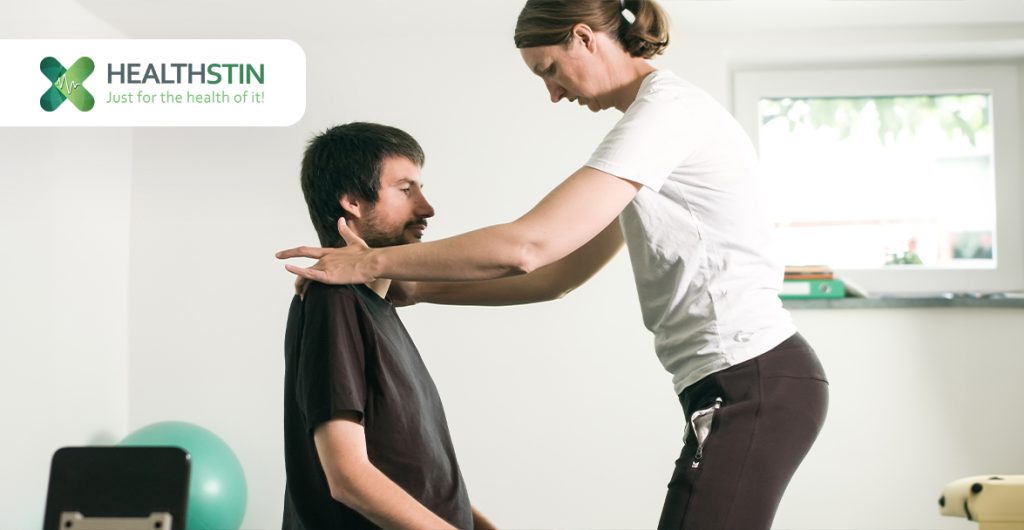
clinic for depression

Let our Allied Health experts help improve your mental health using exercise 

Our experienced and well-trained Exercise Physiologists and Physiotherapists are always ready to support and guide you in navigating through your health journey. After a thorough assessment, we will collaborate with you in creating a treatment program customised to your mental and physical conditions. This is the best way to ensure optimal outcomes. A supportive team and an inclusive environment can also go a long way toward helping you tap into exercise to ward off the symptoms of depression. 


Like in all our other Allied Health Clinic locations, our Hurstville clinic features a hydrotherapy pool and gym to ensure you get access to a more holistic approach to training.  


Training in water can be a relaxing experience that may help improve your mood. Exercising in our Hydrotherapy pool also offers many other benefits such as less strain on your joints and improved flexibility, balance, and range of motion.  On the other hand, our gyms are well-equipped to let you exercise safely and effectively in an inclusive environment.  


Our Allied Health Clinic in Hurstville also hosts our Staying Active Group Classes for 50+ older adults.  Group classes can be helpful in cases when the depressive episode is caused by social isolation and lack of interaction with others.  For Hurstville, you can join our Ageless Aquatics class every Tuesday, Thursday, and Friday at 9 AM. There’s also a land-based strength training group class, Strong and Steady, on Tuesdays, Thursdays, and Fridays, at 10 AM. To book a class or to know more, just call 1300 090 931. 


Liked this post?  Please follow our blog or subscribe to our social media accounts on Facebook or Instagram to get our regular health updates.
More Articles

Physiotherapist and participant reviewing an NDIS plan letter together at a clinic desk
Friday 02, October 2026

Understanding NDIS Pricing Changes in 2026-27: A...

Healthstin provides NDIS Services in Midland
Thursday 01, October 2026

NDIS Services in Midland: Comparing NDIS-Funded Therapies...

Healthstin provides Accredited Exercise Physiologist in Perth
Thursday 01, October 2026

Why Choose Accredited Exercise Physiologists (AEPs) in...

Healthstin NDIS Providers in Elizabeth SA – Providing complete guide to finding the right support
Thursday 01, October 2026

A Comprehensive Guide to NDIS-Approved Providers for...

Therapeutic Services in Sydney
Friday 18, September 2026

The Benefits of Therapeutic Services in Sydney:...

Category

  • Exercise Physiology 47
  • Physiotherapy 75
People exercising in a swimming pool

Not sure what the right next step is for your situation?

We’ll help you understand which type of support fits your goals, needs, and circumstances.

See What Support Fits

Clear advice. Zero commitment.

We’ll review your situation and tell you which service makes sense—and why.

Loading

Find Professional Exercise Physiology and Physiotherapy Near You

Google map interface with options
Map showing Healthstin Allied Health location

Healthstin Sans Souci Clinic

Sans Souci, NSW

Google Maps interface with options
Map showing Healthstin Hurstville location

Healthstin Hurstville Clinic

Hurtsville, NSW

Google map interface with location details
Map showing Healthstin Brimbank location

Healthstin Brimbank Clinic

Keilor Downs, VIC

Google map interface with options
Map showing Healthstin Melton location

Healthstin Melton Clinic

Melton, VIC

Google Maps interface with location details
Map showing Healthstin Elizabeth location.

Healthstin Elizabeth Clinic

Elizabeth, SA

Google map interface with options
Map showing Healthstin Allied Health location

Healthstin Salisbury Clinic

Salisbury, SA

Map with Google logo overlay
Map showing Healthstin Belmont location

Healthstin Belmont Clinic

Belmont, WA

Map of Australia with states outlined

Coverage Areas for Home Visits

Type in your post code in the search bar and find out if we service your area.
RESULT:
Facebook-f Youtube Linkedin
Call Us

1300 090 931

Email Us

[email protected]

Healthstin Logo for footer

Our mission at Healthstin is to empower your abilities. We remove the barriers so you can take control of your health, maximise results and achieve optimal physical and mental well-being.

Book An Appointment
Quick Links
  • Home
  • About Us
  • Our Team
  • Contact Us
  • Blog
  • Clinics
  • FAQs
Our Clinics
  • Sans Souci
  • Hurstville
  • Brimbank
  • Melton
  • Elizabeth
  • Salisbury
  • Belmont
Services
  • Exercise Physiology
  • Hydrotherapy
  • Group Classes
  • Heal Program
  • Physiotherapy
  • Remedial Massage Therapy
  • Acupuncture
  • Insurances
  • NDIS
  • Home Care Packages
  • Commonwealth Home Support Programme
  • Workers’ Compensation
  • Support at Home
  • Department of Veterans' Affairs
  • Delivery Methods
  • In Clinic
  • Hydrotherapy Pool
  • Gym
  • Mobile
  • In-home Visits
  • Local Community Visits
  • Telehealth
Clinic Hours
New South Wales & Victoria
  • Monday-Friday 08:00AM - 6:00PM
  • Saturday 10AM - 3 00PM by appointment only
  • Sunday Closed
South Australia & Western Australia
  • Monday-Friday 08:00AM - 6:00PM
  • Saturday-Sunday Closed
Office Hours
New South Wales, Victoria, South Australia & Western Australia
  • Monday-Friday 09:00AM - 6:00PM
  • Saturday-Sunday Closed
@ Copyright 2026 Healthstin PTY LTD
  • Terms and Conditions
  • Privacy Policy
a white arrow in a green circle
Free 10-Min Phone Consultation
Accessibility Adjustments

Powered by OneTap

How long do you want to hide the toolbar?
Hide Toolbar Duration
Select your accessibility profile
Vision Impaired Mode
Enhances website's visuals
Seizure Safe Profile
Clear flashes & reduces color
ADHD Friendly Mode
Focused browsing, distraction-free
Blindness Mode
Reduces distractions, improves focus
Epilepsy Safe Mode
Dims colors and stops blinking
Content Modules
Font Size

Default

Line Height

Default

Color Modules
Orientation Modules
We use cookies on our website to give you the most relevant experience by remembering your preferences and repeat visits. By clicking “Accept”, you consent to the use of ALL the cookies.
Do not sell my personal information.
Cookie SettingsAccept
Manage consent

Privacy Overview

This website uses cookies to improve your experience while you navigate through the website. Out of these, the cookies that are categorized as necessary are stored on your browser as they are essential for the working of basic functionalities of the website. We also use third-party cookies that help us analyze and understand how you use this website. These cookies will be stored in your browser only with your consent. You also have the option to opt-out of these cookies. But opting out of some of these cookies may affect your browsing experience.
SAVE & ACCEPT
People exercising in a swimming pool

Not sure what the right next step is for your situation?

We’ll help you understand which type of support fits your goals, needs, and circumstances.

See What Support Fits

Clear advice. Zero commitment.

We’ll review your situation and tell you which service makes sense—and why.

Loading

Real Experts. Real Results.

Not sure if you need Physio, Exercise Physiology or Hydro? We’ll tell you exactly what will work best—for free.

  • Get a customised care plan with just a single call
  • No referrals needed
  • Covered by NDIS, Aged Care, DVA, and Workcover or Private Health

Whether you’re dealing with pain, mobility issues, falls, or recovery, let us take the guesswork out. One of our experts will match you with the right service — at the right location and with the right funding — in under 10 minutes.

Loading
Healthstin Team members in a black suit
Quick Apply Form

Drag & Drop Files, Choose Files to Upload You can upload up to 100 files.
Loading