Arthritis, a prevalent and often debilitating condition affecting millions worldwide, poses significant challenges for both patients and healthcare providers. In the pursuit of effective treatments, Low Level Laser Therapy (LLLT) has emerged as a promising modality offering non-invasive and potentially transformative relief.
3.9 million Australians are living with arthritis, an inflammatory condition that affects the joints. That’s 1 in 6 people. Contrary to popular belief, children can also get the condition although a big portion of the total number – around 2 million – are of working age, ranging from 15 to 64 years old.
There are over a hundred different types of arthritis. Some of the common ones include osteoarthritis, rheumatoid arthritis, and gout. Osteoarthritis is the most common form, occurring when the protective cartilage that provides a cushion for the ends of the bones wears down. It usually affects the joints in the hands, knees, hips, and spine.
Rheumatoid arthritis is an inflammatory autoimmune disorder that can affect the eyes, skin, lungs, heart, and blood vessels. In contrast to osteoarthritis, rheumatoid arthritis causes the painful swelling of the joints and tissues. Gout is a type of inflammatory arthritis that usually happens when high levels of urate build up in the body, causing inflammation of the joints.
Arthritis has a significant impact on the nation’s economy and wellbeing, with musculoskeletal conditions accounting for 13% of the total burden of disease in 2023. From 2020-2021, health expenditures for osteoarthritis were estimated to be over $4 billion with rheumatoid arthritis racking up $966.1 million in expenditures.
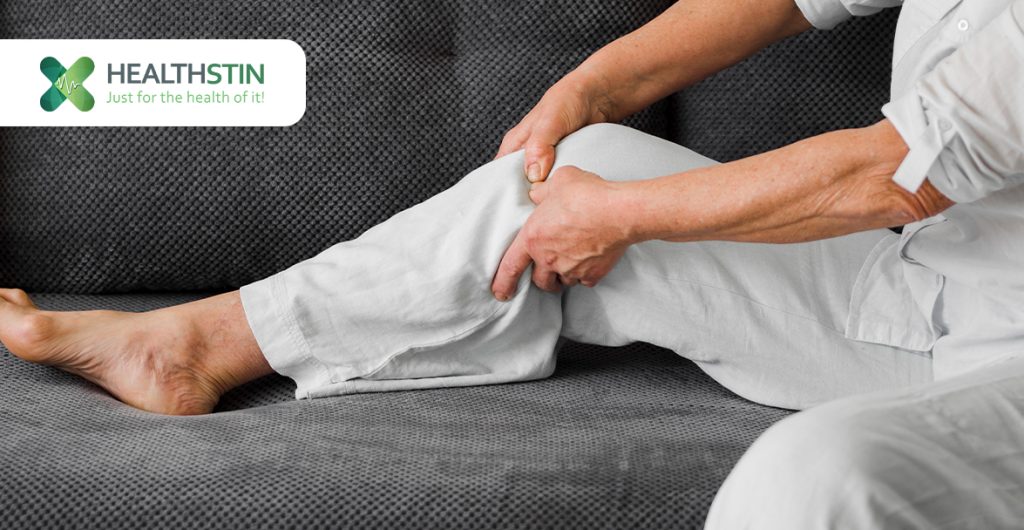
What treatments are available for managing arthritis?
While there is no cure for arthritis, there are treatments available to help manage pain and enhance joint function. The treatment will depend on what type of arthritis you have and the severity of the condition. Your health provider should customise your treatment plan according to your condition.
Short-term treatments include the following:
- Medications such as pain relievers and other nonsteroidal, anti-inflammatory medicines
- Heat and cold to ease the pain and reduce swelling
- Immobilisation of the joint with the use of a brace or splint
- Acupuncture
- Massage
- Transcutaneous electrical nerve stimulation (TENS) which uses mild electrical pulses to block pain signals to the brain
- Low level laser therapy (LLLT)
For long-term treatments, the following methods may be used:
- Corticosteroids such as prednisone to reduce swelling and inflammation
- Disease-modifying antirheumatic drugs (DMARDs) which are prescription medications for treating the immune system problems associated with arthritis and help slow down its progress
- Hyaluronic acid therapy in which a joint fluid is injected into a joint to help relieve arthritis symptoms
- Surgery which includes fusion, joint replacement, or arthroscopy
What is Low Level Laser Therapy?
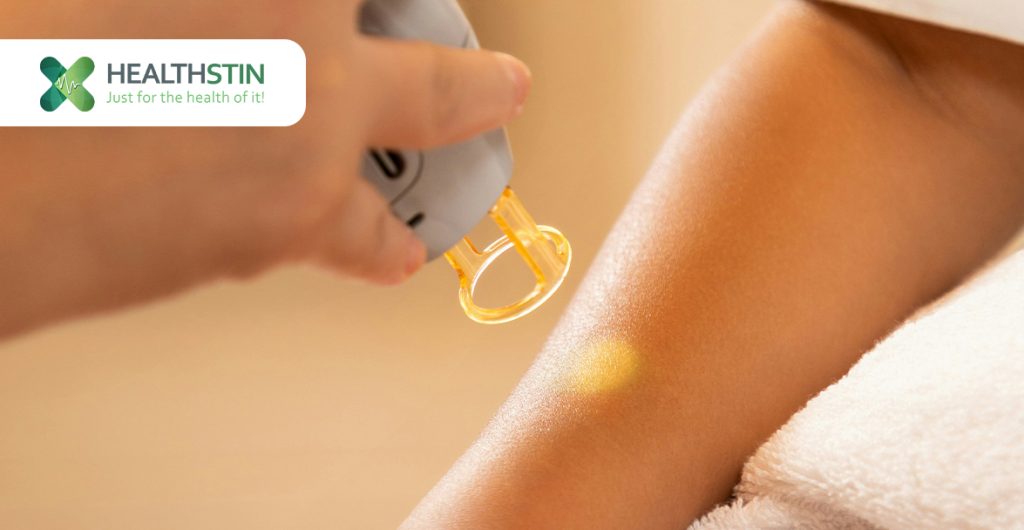
Also known as cold laser therapy or photobiomodulation therapy, low-level laser therapy (LLLT) is a non-invasive treatment for arthritis. It uses low-level lasers or light-emitting diodes to stimulate healing and reduce the pain and inflammation caused by various health conditions including arthritis.
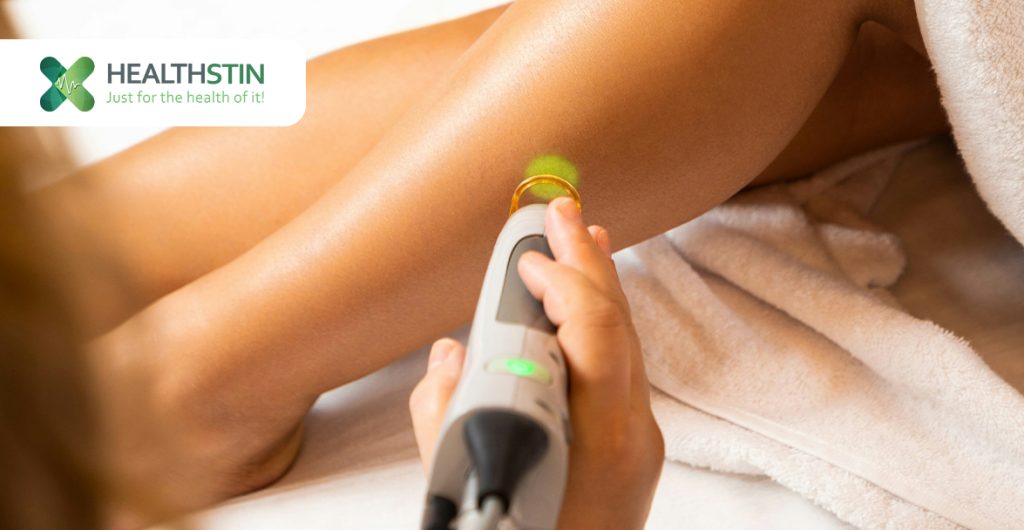
Unlike surgical lasers that cut or burn tissue, LLLT uses non-thermal light energy that passes through the skin’s layers without causing damage. This therapy is administered by trained healthcare professionals using handheld devices.
LLLT is an increasingly popular adjunctive therapy treatment for arthritis for a good reason — it is a non-invasive treatment that clinical studies suggest is a promising effective therapy.
How does low level laser therapy work?
LLLT works on a cellular level, where light photons penetrate the skin and interact with cells, thus initiating biochemical changes. These changes include the increased production of cellular energy (ATP), improved blood circulation, and modulation of inflammatory mediators. Additionally, LLLT may stimulate the release of endorphins, the body’s natural painkillers, providing relief from discomfort.
Low-level laser therapy for arthritis works in the following ways:
- Stimulation of cellular function – The light energy emitted by the laser penetrates the skin and is absorbed by the cells. This energy helps stimulate cellular function, including increased production of ATP (adenosine triphosphate), the energy source for cells.
- Reduction of inflammation – LLLT has been shown to reduce inflammation by suppressing inflammatory markers and promoting anti-inflammatory responses in the body.
- Pain relief – LLLT can help alleviate pain by blocking pain signals transmitted by the nerves, stimulating the release of endorphins (natural painkillers), and reducing inflammation, which is often a source of pain in arthritis.
- Tissue repair and regeneration – LLLT can enhance tissue repair and regeneration by increasing blood flow to the affected area, promoting the formation of new blood vessels, and stimulating the production of collagen, which is essential for tissue repair.
- Improvement in joint function – By reducing pain and inflammation and promoting tissue repair, LLLT can ultimately improve joint function and mobility in individuals with arthritis.
How effective is low level laser therapy for arthritis?
Research suggests that LLLT may benefit arthritis sufferers by reducing pain, improving joint function, and promoting tissue repair.
Studies that examine LLLT’s efficacy for relieving the symptoms of arthritis have shown promising results. One such study showed that LLLT significantly reduced pain and improved physical function in older adults with osteoarthritis. Another study reported that LLLT may provide significant improvements in pain relief and grip strength among individuals with rheumatoid arthritis with carpal tunnel syndrome.
Searching for “low level laser therapy near me”?
LLLT can be a safe and valuable adjunctive therapy for managing your arthritis symptoms and improving your quality of life if performed by a trained professional and deemed appropriate to your type of arthritis by an Accredited Health Expert.
If you’re considering LLLT as part of your arthritis management plan, it’s vital to enlist the help of trusted Allied Health professionals. Our accredited Health Professionals will acquaint you with the LLLT, how it suits your health condition, and how it can benefit you.
For low-level laser therapy in Hurstville, our Allied Health Clinic located on King Georges Road corner of Forest Road in Hurstville, offers low-level laser therapy facilities and services. Call us via 1300 090 931 or click this link for more info or to book an appointment today.