


It may be hard to imagine that there was a time in the not-so-distant past when people who had mental health conditions were told that these were “all in the head.” How the times have changed. A major shift in the mental health front is the change in society’s attitudes – people are becoming more accepting of the realities of mental health issues and increasingly supportive of people who experience them. It’s no longer taboo to talk about conditions such as anxiety and depression. Seeking professional help is not frowned upon anymore but rather encouraged.
Nowadays, mental health shares the same importance as physical well-being, and rightfully so. Being well mentally means we can be productive, better able to enjoy life, and actively contribute to our communities. That said, physical activity is intrinsically linked to mental wellness. That exercise is essential for achieving mental well-being is now a universally accepted fact.
However, there is a growing trend of inactivity worldwide. In Australia, more than half, or 55% of the adult population do not meet the guidelines for physical activity. Among children, the numbers are even more alarming, with 70% of kids aged 2 to 17, or 2 out of 3 children, not meeting the guidelines. Clearly, there is a pressing need to be more active and incorporate exercise and physical activities into our daily lives if we are to be truly healthy.

Why is Exercise Good for Mental Health?
Regular exercise plays a crucial role in enhancing mental health, offering multiple benefits that go beyond physical fitness. It triggers the release of endorphins and serotonin, known as the brain’s natural mood elevators and painkillers. This release can significantly reduce stress, depression, and anxiety, making physical activity a powerful tool in mental health management.
Engaging in regular physical activity is not just about keeping the body fit; it also sharpens cognitive functions. It improves memory, speeds up reaction times, and boosts creative thinking, contributing to better mental performance.
Benefits of Exercise for Mental Health
Exercise may provide a lot of benefits to your mental health like improving your mood and response to stress, decreasing your anxiety levels, getting you out of a depressive state, and boosting self-confidence.
Maybe you can remember a time when you were stumped for a solution to a problem at work and decided to take a brisk walk to clear your head. Or that occasion when you felt emotionally overwhelmed and took the time to lift weights. Post-workout, you found that your moods have changed. Exercise can do that and more.
It may sound paradoxical but physical activity can energise you when you feel fatigued, stressed, or lacking energy. If you have problems falling asleep, exercising during the early part of the day may be able to help you sleep more soundly at night. Some studies suggest that exercise may even help prevent cognitive decline and dementia, a valuable benefit for older adults’ mental health.
But why is exercise good for mental health exactly? Physical activity increases blood circulation to the brain and aids in releasing the neurotransmitters dopamine and serotonin. These are often called the ‘happy hormones,’ responsible for helping you feel pleasure when doing something you enjoy. Talk about finding so many likes on your social media post, partaking of your favorite dessert, engaging in sex, and you guess it, exercising. Lack of dopamine and serotonin may even predispose you to feeling depressed or anxious.
Some studies even go to the extent of suggesting that physical exercise may even have neuroprotective factors against degenerative diseases like Alzheimer’s disease as well as influence neuroplasticity, the brain’s ability to modify itself and reorganise synaptic connections due to learning or post-injury.
If you exercise long enough, you may also experience what is often referred to as the “runner’s high” because of the endorphins released during physical activity. Exercising in a group class or with a workout buddy can help you interact better socially. Notching a new personal record in the weights lifted in the gym or running a faster time on the treadmill can provide a boost to your self-esteem.
Exercises for Promoting Mental Health
The mental health-enhancing benefits of exercise are not limited to the confines of a gym. Even household chores like gardening, cleaning the house, or washing the car can count as physical activity as every little action can add up if done long and intense enough.
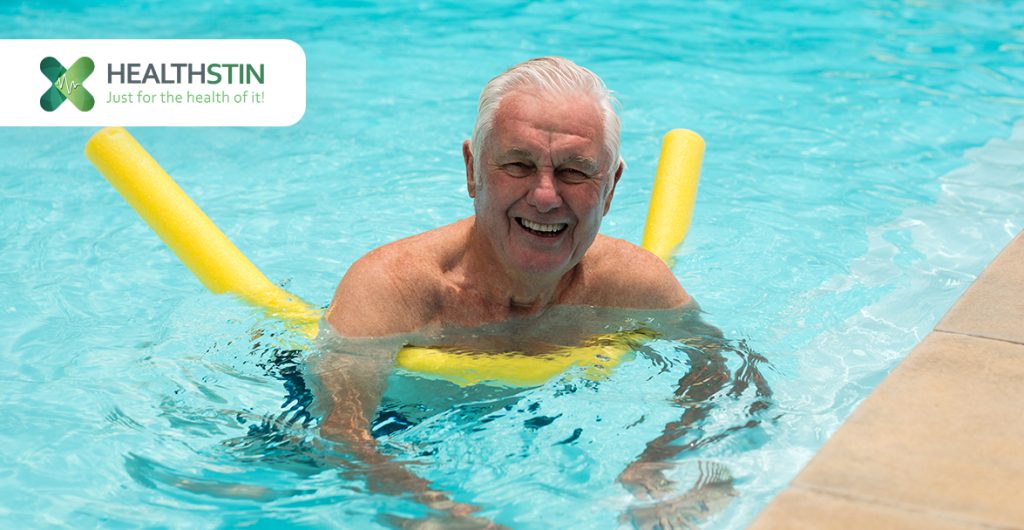
- Aerobic/cardiovascular training – If you’re into structured activity, aerobic exercise is an excellent means of using exercise to achieve mental well-being. This includes brisk walking, jogging, running, swimming, aqua-jogging or other water-based exercises that can raise your heart rate and get your heart pumping.
The Australian physical activity guidelines for adults aged 18 to 64 years old call for 150 minutes of moderate-intensity exercise or 75 minutes of vigorous activity per week.
- Strength/resistance training – training to get physically stronger can also stimulate and grow your mental muscle as well as ease the symptoms of anxiety and depression. You can use your body weight, free weights, machines, or resistance bands for strength training.
The guidelines recommend strength training at least two times weekly, using a workout program that covers all the muscle groups. Some of the moves you can do include pullups and rows for the back, pushups for the chest, and squats for the legs.
- Flexibility/stretching — Flexibility training may help prevent injury and lessen post-workout soreness aside from aiding you in being more limber and mobile. Taichi and yoga are also great ways of doing flexibility moves while simultaneously strengthening your muscles. Stretching regularly can keep your muscles from becoming tight and predisposed to injury.
If you’ve been sedentary or have not exercised for a long while, it’s prudent to seek the help of a health expert such as an Exercise Physiologist before starting an exercise routine. These experts can assess your health condition and create a program tailored to your specific needs and condition. They can also educate you on using the proper form and technique so you can avoid injuring yourself.

Get the support of our well-trained experts to help you achieve mental wellness
If you find exercise challenging or have decided to begin an exercise program but do not know where to start, give our friendly Exercise Physiologists at Healthstin Clinic in Melton a call via 1300 090 931. They’ll be happy to support you in embarking on your health and well-being journey. Our EPs are well-trained and knowledgeable, ready to give you a thorough assessment, collaborate with you on an exercise program customised to your needs and goals, monitor your progress, and make adjustments as necessary to help you achieve your goals.
Our Allied Health Clinic in Melton also serves as an excellent venue for exercising. Take advantage of getting access to both land- and water-based training without having to travel to two venues. Our gym space is well-equipped and inclusive. On the other hand, our Hydrotherapy pool allows you to benefit from the body’s buoyancy in the water, letting you train with a greater range of motion and without undue strain on your joints.
If you find the information here relevant and helpful, click the link to our blog or follow us on Facebook or IG so you won’t miss out on regular doses of health tips and info.





