Epilepsy is a neurological condition characterised by recurrent seizures, affecting over 150,000 Aussies. The prevalence is notably higher among Aboriginal and Torres Strait Islander peoples, with 1.2% reporting a diagnosis. Given its potential impact on daily living, many Australians with epilepsy seek support through the National Disability Insurance Scheme (NDIS).
Is epilepsy considered a disability?
Whilst epilepsy is a medical condition, its classification as a disability depends on the individual’s circumstances. A frequently asked question is: Is epilepsy covered by the NDIS? The NDIS recognises that epilepsy can be disabling, particularly when it significantly impairs one’s ability to perform daily activities or participate in the community. Therefore, individuals whose epilepsy has a substantial and ongoing impact on their functional capacity may be eligible for NDIS support.
NDIS support for epilepsy
The NDIS allocates the funds deemed as “reasonable and necessary” support plan to cater to what individuals’ with disabilities needs, including those with epilepsy. To access NDIS support, applicants must demonstrate that their condition is permanent or likely to be permanent and that it significantly affects their daily functioning. This involves providing evidence of the condition’s impact on aspects such as mobility, self-care, and social interaction.
Epilepsy therapies and services funded by the NDIS
Once deemed eligible, individuals with epilepsy can access various supports through the NDIS. These include:
- Epilepsy Management Planning – Assistance in developing or reviewing a comprehensive Epilepsy Management Plan (EMP), which outlines strategies for managing seizures and related health concerns.
- Emergency Medication Management – Training for support workers or caregivers to administer emergency medications as specified in an Emergency Medication Management Plan (EMMP).
- Seizure monitoring – Funding for assistive technology, such as seizure alarms or monitors, to enhance safety and provide timely alerts during seizure activity. Support workers – Provision of trained support workers or nurses to assist with daily activities, monitor seizures, and implement management plans, particularly for individuals with complex health needs.
- Training and education – Education programs for family members, caregivers, and support staff to better understand epilepsy, recognise seizure types, and respond appropriately.
- Home Safety: Soft flooring solutions—like the padded Mooshy Mat safety support mat- can help cushion falls and reduce injury during seizures.
Accessing NDIS epilepsy support
Getting support through the NDIS might seem overwhelming at first, but you don’t have to do it alone. Organisations like Epilepsy Action Australia and Epilepsy Queensland are there to help you figure out if you qualify, get you ready for your planning meetings, and find the right services for your situation.
For Australians living with epilepsy, the NDIS is a vital tool for living more independently and improving daily life. Once you understand how the system works and what help is available, you can more easily access the specific therapies and equipment that are right for you.
The role of exercise in Epilepsy management
Staying active is great for people with epilepsy because it helps the body stay strong, clears the mind, and makes it easier to connect with others. Using exercise to boost your physical and mental health is an evidence-based way to feel better and more confident in your daily life.
|
Physical Benefits
|
• Exercise enhances cardiovascular fitness, increases stamina, and strengthens muscles.
• For those with epilepsy, these benefits are particularly valuable, as certain antiseizure medications can lead to weight gain and bone density reduction. • Regular physical activity can help mitigate these side effects, promoting overall health and wellbeing. |
|
Psychological Benefits
|
• Participating in exercise can alleviate stress, anxiety, and depression – common challenges faced by individuals with epilepsy.
• Physical activity serves as a natural stress reliever, which is significant since stress is a known seizure trigger. • By reducing stress levels, exercise may contribute to better seizure control and enhance mood. |
|
Seizure Control
|
• Emerging research suggests that regular exercise may lead to improved seizure control for some individuals. Whilst exercise-induced seizures are rare, the overall benefits of physical activity often outweigh the risks.
• Maintaining a consistent exercise routine can contribute to better overall seizure management. |
|
Social Benefits
|
• Engaging in group sports or exercise classes fosters social interaction and community involvement.
• This participation can reduce feelings of isolation and build a supportive network, enhancing the quality of life for individuals with epilepsy. |
Safety measures to consider
Whilst the advantages of exercise are significant, it’s essential for individuals with epilepsy to take certain precautions:
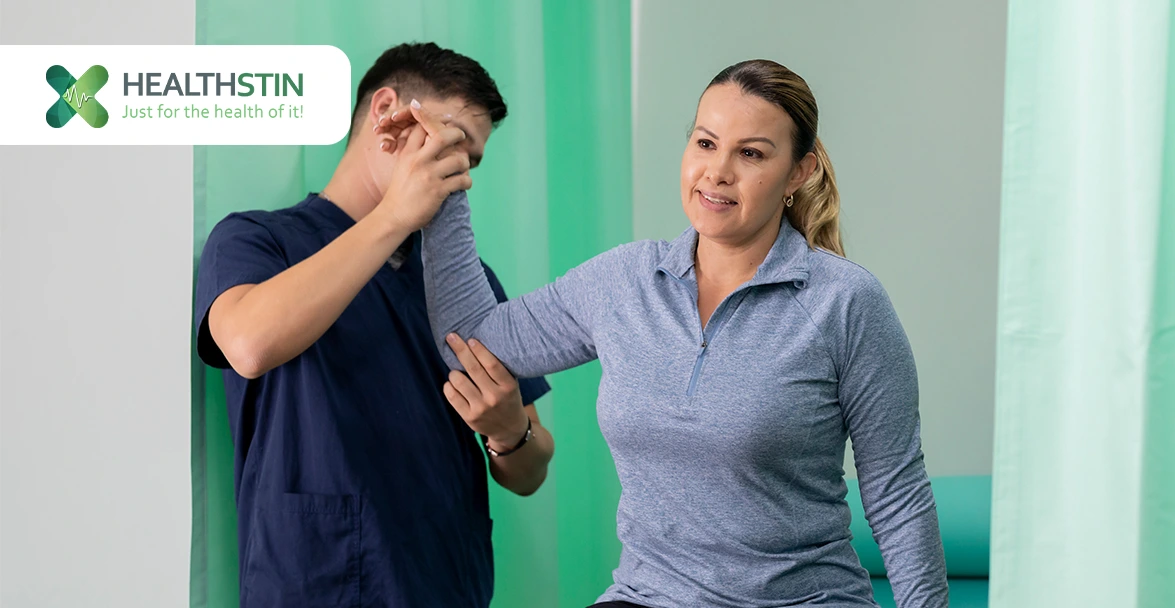
- Consult healthcare providers – Before starting any new exercise regimen, consult with a healthcare professional such as an Exercise Physiologist or Physiotherapist to ensure the chosen activities are appropriate.
- Choose suitable activities – Opt for exercises with a lower risk of injury in case of a seizure. Activities such as walking, swimming (with supervision), yoga, and cycling on stationary bikes are generally considered safe.
- Exercise with a partner – Whenever possible, exercise with a friend or in a supervised setting to ensure immediate assistance if needed.
- Stay hydrated and rested – Adequate hydration and rest are crucial, as fatigue and dehydration can be seizure triggers for some individuals.
Moving your body regularly is a simple way to feel better and stay strong. When done safely, exercise can improve your health and might even help you manage seizures more effectively.
Let our Allied Health Team help support your health
Working with physical activity professionals like an EP helps people with epilepsy move more easily and feel stronger. EPs and Physios provide the guidance you need to boost your mood, improve your health, and get more out of every day.
Through tailored exercise programmes, seizure management strategies, and collaboration with our Exercise Physiologists, Healthstin’s Physiotherapists can empower individuals with epilepsy to build strength, reduce stress, and safely engage in physical activity.
Call 1300 090 931 or click this link now to book a session with our Allied Health Professionals