Parents and carers hope their child can move more easily, feel safe in their body, and join in daily life with confidence. For people with Autism Spectrum Disorder (ASD) Level 3, movement can be difficult, and even basic tasks may feel hard. With the right support, progress is possible, one step at a time.
NDIS physiotherapy for ASD Level 3 helps build practical movement skills, enabling people to be more independent at home, at school, and in the community. This article will show how physiotherapy supports children and adults with higher needs, how NDIS funding works, and how Healthstin helps families with personalised care focused on real results.
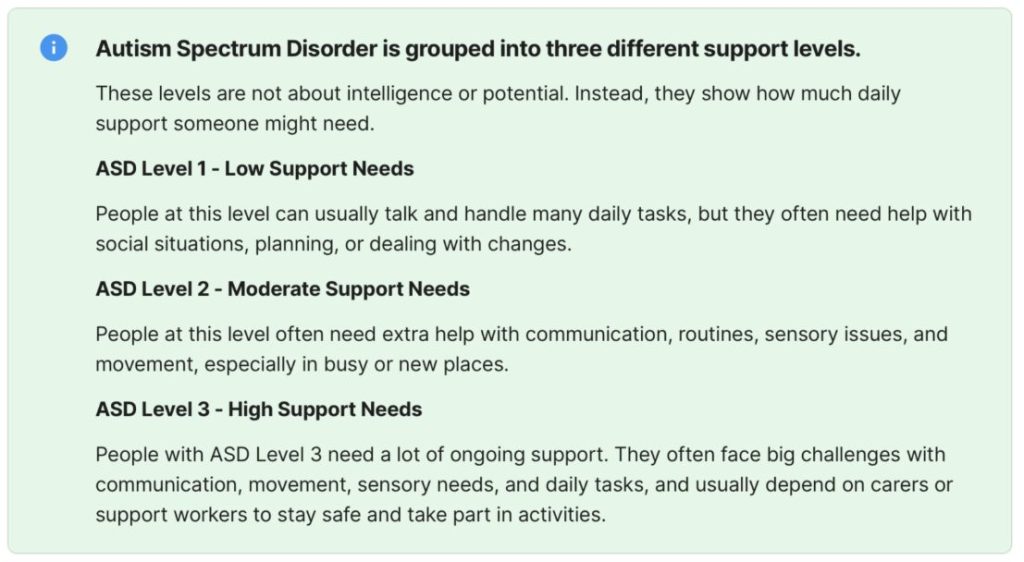
What Is Autism Spectrum Disorder Level 3?
Autism Spectrum Disorder Level 3 is diagnosed when someone needs a lot of support to get through daily life. This may mean having trouble with communication, following instructions, handling sensory input, or moving around. These situations usually show up at home, at school, and in the community.
When families and carers understand ASD Level 3, they can look for the right support early on. Physiotherapy is one way to address movement challenges and support people in building skills for comfort, participation, and independence over time.
How Level 3 Autism Influences Movement Daily
ASD Level 3 can change how a person’s body reacts and moves through their surroundings. Even basic tasks like standing, sitting still, walking, or changing positions can require extra effort and support.
These movement difficulties can make day-to-day tasks such as moving around the house, using the bathroom, getting dressed, and participating in community activities more difficult. If people do not feel confident moving, they may become less independent and need more help from carers. This is why early and ongoing support is important.
How Physiotherapy Supports Individuals with ASD Level 3
Physiotherapy helps people with Level 3 ASD move with better control and less stress. Sessions often work on balance, strength, and body awareness through simple, structured activities that fit each person’s abilities and sensory needs.
Rather than forcing them to learn skills quickly, physiotherapy takes a step-by-step approach. The goal is to support movement that feels safe, repeatable, and useful in real-life scenarios.
Improving Gross Motor Skills and Balance
Physiotherapy utilises evidence-based exercises to help with big body movements. These exercises improve stability, coordination, and muscle strength, which lowers the risk of falls across different environments.
Addressing Sensory Processing Issues
Physiotherapists design movement plans that fit a person’s sensory preferences. This can help lessen distress and encourage more engagement.
Supporting Functional Independence
Physiotherapy focuses on practical goals essential to everyday life, such as getting up from the floor, improving walking tolerance, and safer transfers.
Is Physiotherapy Covered Under the NDIS for ASD Level 3?
Physiotherapy is an approved NDIS support for people with ASD Level 3 when it is considered reasonable and necessary. This means the therapy must support functional outcomes, enhancing movement and independence, not just exercise or general fitness.
Funding is based on how physiotherapy supports practical goals at home or in the community. Support coordinators and physiotherapists often work together to ensure that physiotherapy is properly included in the participant’s plan.
Capacity Building Supports
NDIS physiotherapy is usually funded through Capacity Building under the Improved Daily Living. The goal in this category is to build skills and need less support over time. The type of funding depends on each participant’s goals and plan.
|
Key Feature |
Capacity Building Supports |
|
Main purpose |
Develop skills and become more independent over time |
|
Focus |
Supporting long-term improvement in how people function day to day |
|
How physiotherapy may fit |
Regular sessions can help improve strength, balance, and movement |
|
Common goals |
Enhancing coordination, mobility, participation, and independence |
|
Typical use |
When physiotherapy builds skills to lessen support needs in the future |
|
Flexibility |
Budgeted particularly for allied health services |
|
Most common for physiotherapy |
Most typical funding category for NDIS physiotherapy |
If you want to know how NDIS physiotherapy for autism level 3 can fit into your plan, you can find more information about NDIS physiotherapy support at Healthstin.
Who Can Benefit from NDIS Physiotherapy?
Anyone with ASD Level 3 who faces physical or movement difficulties can benefit from NDIS-funded physiotherapy. Children can use it to learn basic movement skills, whilst adults can work on safer mobility and greater independence.
Physiotherapy is often recommended when these challenges are limiting what they can do each day. It can also build coordination, strength, and physical confidence, which are essential for participating in daily life with greater comfort and support.

Healthstin’s Approach to NDIS Physiotherapy for Autism Spectrum Disorder Level 3
At Healthstin, physiotherapy for people with ASD Level 3 is built on getting to know the person first, learning about their needs, communication style, comfort level, and daily routines. Our physiotherapists work at the participant’s pace and design sessions to feel calm, supportive, and easy to follow.
Rather than prioritising exercises, our team focuses on movement skills that matter in real life. Each plan is reviewed regularly to ensure progress stays steady and goals remain realistic.
Working with Families, Carers, and Support Teams
Healthstin partners with families and support teams to share strategies, track improvements, and ensure physiotherapy supports each participant’s goals in every setting. When everyone works together, progress is easier to achieve.
How to Access NDIS Physiotherapy at Healthstin
Having your first NDIS allied health physiotherapy session at Healthstin is easy and straightforward:
Step 1: Reach Out
Get in touch with our team to discuss the participant’s needs and current NDIS plan.
Step 2: Initial Discussion
We listen and take note of their movement challenges, goals, and daily support needs.
Step 3: Pair with a Qualified Physiotherapist
Participants are paired with a physiotherapist who has extensive experience supporting people with ASD Level 3 and understands their situation and goals.
Step 4: Assess and Plan Goals
Our physiotherapist completes an assessment and sets practical therapy goals.
Step 5: Consistent Support
Our physiotherapy sessions focus on building everyday movement skills, and we provide progress updates and reports when needed. We also provide take-home tools, including images and videos, to help participants safely continue their exercises outside the clinic.
Ready to get started? Call us at 1300 090 931, book online, or submit a referral form to schedule an NDIS physiotherapy session today.
FAQs About NDIS Physiotherapy for ASD Level 3
- What does a typical NDIS physiotherapy session look like for ASD Level 3?
Typical sessions include gentle movement exercises that support important daily skills, such as standing, walking, and turning. The physiotherapist assesses how each person moves, notes any challenges, and creates exercises to support their daily life.
- Can children and adults with ASD Level 3 both access physiotherapy?
Yes, NDIS physiotherapy is suitable for both children and adults with ASD Level 3. Keep in mind that the approach can vary based on the person’s needs, goals, and required level of support.
- Is a referral essential to begin NDIS Physiotherapy?
At Healthstin, a referral is not needed to begin physiotherapy. However, supporting reports or letters can help fund requests during plan reviews. Contact us directly to get started.
- How often should a person with Level 3 autism go to physiotherapy sessions?
Session frequency depends on the person’s goals, needs, and NDIS plan. Some people come every week, whilst others have sessions less often.
- How do I know if physiotherapy is right for someone with ASD Level 3?
If movement issues make daily tasks, comfort, or safety more difficult, physiotherapy is often a good option. If you are unsure, speaking with a provider like Healthstin is a good first step. We can listen to your concerns and help you decide if therapy could help.
Supporting Movement, Confidence, and Independence
Supporting someone with ASD Level 3 can feel overwhelming at times, especially when movement difficulties make daily life harder. The right physiotherapy approach can lead to measurable progress that supports simple routines, such as improved balance and safer mobility.
Our NDS physiotherapy services at Healthstin are designed to enhance comfort, movement, and participation in a realistic and supportive way. With the right plan and team in place, a person with Level 3 autism can build skills that empower them to navigate life with greater confidence.
Reach out to Healthstin to find out how NDIS physiotherapy can support movement, safety, and everyday activities for someone you care for.
No waitlist. Book your free 30-minute consultation now and start the session within 7 days!
*Disclaimer: This article is intended for general educational purposes only and does not replace personalised advice. NDIS funding decisions depend on individual needs, goals, and plan details. For specific guidance on how your funding can be used, please speak with your NDIS planner, Local Area Coordinator, or support coordinator.