


Cerebral palsy alters how the brain communicates with the muscles, affecting movement and coordination. People with CP often experience stiff muscles and slower motor development. These challenges can lead to reduced mobility and a loss of independence over time.
A structured therapy plan can make a big difference. NDIS physiotherapy for cerebral palsy aims to improve strength, mobility, and postural control through personalised rehabilitation programmes. With regular sessions and clear goals, participants can develop better movement skills and keep their independence as they grow.
What Is Cerebral Palsy and How Does It Affect Movement?
Cerebral palsy (CP) is a neurological condition that affects how the brain controls movement and muscle coordination. It usually starts before, during, or soon after birth and can change muscle tone and functional mobility. CP itself does not get worse over time but the physical challenges participants face can still change as they grow.
Many people with CP have tight muscles, trouble with balance and coordination, and develop motor skills more slowly. These movement challenges could make simple daily activities, such as walking and participating in society, much harder.
Muscle Stiffness (Spasticity)
A common symptom of CP is muscle spasticity. This means the muscles tighten or stay contracted for longer than normal. As a result, movements can feel stiff and sometimes uncomfortable.
When muscles are spastic, it can be harder for joints to move freely. This can affect how a person walks, their posture, and their ability to move around.
Balance and Coordination Challenges
Many people with cerebral palsy find it hard to keep their balance and coordinate their movements, which are important for moving safely. They may need to work harder to stay steady when standing, walking, or turning.
NDIS therapy for CP often helps participants improve their posture, enabling them to move more safely and easily.
Delayed Motor Development
Children with CP often reach gross motor development milestones later than their peers. It may take more time to learn skills such as rolling, sitting, crawling, or walking.
Early therapy can help them build strength and learn to move with better control.
Effect on Everyday Tasks
Mobility challenges can make day-to-day activities such as walking safely or playing with other children more difficult.
With structured NDIS physiotherapy for cerebral palsy, therapy can focus on improving movement skills so participants can be more independent at home and in the community.
The Role of Physiotherapy in Managing Cerebral Palsy
Cerebral palsy changes the way muscles move and work together, so regular therapy is often a key part of long-term care. Physiotherapy for cerebral palsy focuses on helping individuals move more comfortably, boost strength, and gain better control of their bodies.
NDIS physiotherapy services create therapy programmes that match each person’s abilities and goals.
1. Managing Muscle Spasticity
Muscle spasticity management is essential in cerebral palsy rehabilitation. Muscle tightness can restrict joint movement and negatively impact posture and gait.
Physiotherapists use stretching and guided exercises to reduce stiffness and enhance flexibility.
2. Improving Strength and Mobility
Building muscle strength plays a key role in improving how well someone can move in daily life. Physiotherapists often use CP physiotherapy exercises that mimic everyday activities, such as standing up from a chair, stepping, or walking short distances.
These exercises strengthen important muscle groups and also help improve coordination and walking patterns. With regular therapy over time, participants can gain better control of their movements and feel more confident in their movements.
3. Enhancing Balance and Coordination
Problems with balance and coordination can increase the risk of falling and make walking more difficult.
Physiotherapy programmes often include stability training, balance exercises, and postural control activities to help participants move more safely and with better control.
Not Sure Where To Start with Cerebral Palsy Training?
Our experienced physiotherapists will help you explore your therapy options, set personal goals, and build a clear physiotherapy plan to manage cerebral palsy.
Call 1300 090 931 to speak with our NDIS physiotherapy team today.
4. Supporting Functional Independence
One of the main goals of cerebral palsy rehabilitation is to help participants become more independent in their daily lives. Physiotherapy supports skills such as safe transfers, standing from a chair, walking around the community, and performing everyday tasks.
When participants improve their mobility and ability to get around, they often feel more confident and independent in daily life.
5. Preventing Secondary Complications
If mobility is reduced for a long time, it can lead to contractures, joint stiffness, or reduced range of motion.
Regular NDIS physiotherapy can help keep you moving well and prevent the development of these secondary complications.
Why Long-Term Management Is Essential for Cerebral Palsy
Managing cerebral palsy usually means following a long-term therapy plan instead of relying on short-term treatments. Since CP affects muscle control, posture, and coordination, ongoing therapy helps participants keep their mobility and avoid physical complications.
Lifelong Condition
Cerebral palsy is a lifelong condition. Whilst the brain injury that causes CP does not get worse, the physical challenges associated with it, such as muscle spasticity and coordination difficulties, can change as the body grows.
If a participant does not receive adequate support, these movement challenges can make it harder to move around and perform daily tasks.
Changing Needs Over Time
Children with CP need different types of therapy as they get older. For instance, therapy for young children usually focuses on developing basic movement skills. For teenagers or adults, the focus often shifts to walking abilities, balance, and participation in everyday activities.
NDIS physiotherapy for cerebral palsy can be tailored to fit each stage of a participant’s development.
Importance of Consistent Therapy
Attending physiotherapy sessions regularly helps keep muscles flexible, build strength, and encourages healthy ways of moving.
Sticking with cerebral palsy rehabilitation can help prevent stiffness and keep you mobile, making everyday tasks easier.
Progress vs Maintenance
Some people with CP work on learning new movement skills in therapy. Others focus on keeping their mobility and avoiding physical decline.
Progress and maintenance are both key parts of NDIS physiotherapy. They help participants remain active, independent, and engaged in everyday life.
Early Intervention vs Ongoing Therapy
Physiotherapy can support people with cerebral palsy throughout their lives. Early intervention therapy gives children a chance to develop important movement skills, whilst ongoing rehabilitation helps them keep improving or maintain these abilities as they grow.
NDIS physiotherapy for cerebral palsy can begin in early childhood and continue into adulthood. As each participant’s needs change, physiotherapists update their approach to support mobility, balance, and independence over the long term.
| Early Intervention Therapy | Ongoing Physiotherapy Support |
| Focuses on early movement development in babies and young children | Focuses on maintaining mobility and independence over time |
| Supports gross motor development milestones | Helps improving or maintaining functional mobility |
| Encourages learning basic movement patterns | Focuses on managing muscle spasticity and joint health |
| Helps children build confidence in movement | Supports everyday activities such as walking and transfers |
| Builds a strong movement foundation | Prevents long-term complications and mobility decline |
Both stages matter. Early therapy helps build a solid foundation, and ongoing NDIS physiotherapy supports participants as they continue to make progress, adapt to changes, and stay active throughout life.
How NDIS Supports Physiotherapy for CP
The National Disability Insurance Scheme (NDIS) helps many people with cerebral palsy by making ongoing therapy more affordable. With NDIS funding, participants can receive regular physiotherapy to improve movement, independence, and overall quality of life.
NDIS often funds physiotherapy under Capacity Building supports. These supports help participants build skills to become more independent in their daily lives.
Capacity Building Supports
With the NDIS, physiotherapy is usually covered under the Capacity Building – Improved Daily Living category. This funding allows participants to access NDIS physiotherapy services that support their ability to move and function day to day.
Therapy sessions can include exercises, mobility training, and education. These help participants manage muscle spasticity and make everyday tasks easier.
Goal-Based Funding
Every NDIS plan is built around each participant’s goals. For individuals with CP, these goals might include moving more easily, getting stronger, increasing balance, or joining in more actively at school or in the community.
Physiotherapists create therapy programmes to help participants reach these goals.
Plan Reviews and Progress Reports
NDIS plans are regularly reviewed to ensure supports continue to meet the participant’s needs. Physiotherapists often write progress reports that show how therapy is helping with mobility, strength, and independence.
These reports can also help secure future funding for ongoing NDIS physiotherapy services for people with cerebral palsy.
Common Questions About NDIS Physiotherapy for Cerebral Palsy
Families and NDIS participants often wonder how physiotherapy works for cerebral palsy. Below are answers to some of the most common questions about NDIS physiotherapy, covering funding, therapy frequency, and treatment goals.
1. Does NDIS cover physiotherapy for cerebral palsy?
Yes, physiotherapy can be funded under NDIS Capacity Building supports if the therapy helps boost movement and independence.
2. Can therapy be done at home?
Yes. Therapy can typically take place at home, in a clinic, or in community spaces, depending on what works best for the participant.
3. How often should therapy occur?
How often someone has therapy depends on the participant’s needs and goals. Some attend physiotherapy every week, whilst others have sessions less often, based on their NDIS plan.
4. What goals can physiotherapy achieve?
Physiotherapy can help with strength, balance, posture, walking, and overall moving better in daily life.
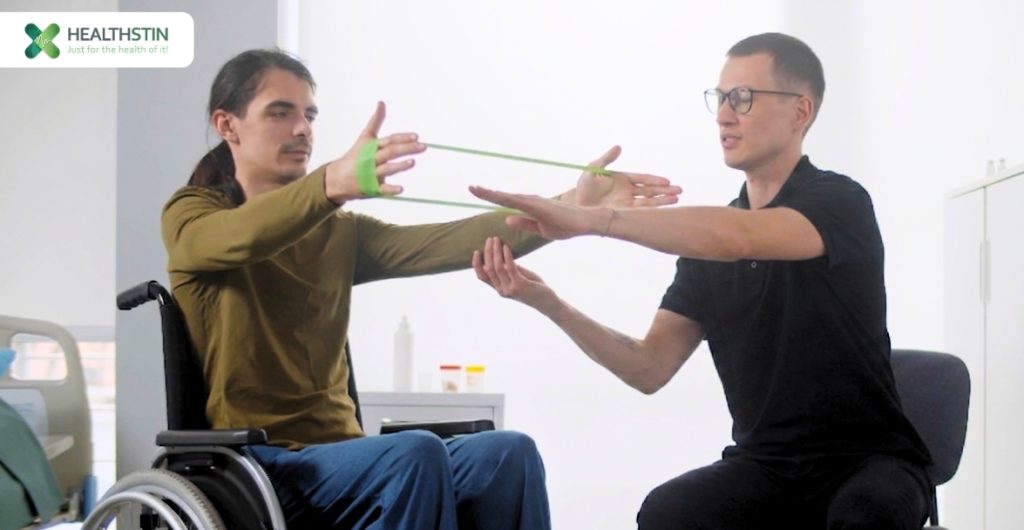
What to Expect from a Healthstin Physiotherapy Programme
At Healthstin, we use a structured and goal-focused approach to NDIS physiotherapy for cerebral palsy. Our programmes are designed around each participant’s needs and NDIS goals to help support long-term movement and independence.
Here’s what you can expect from our process:
- Initial assessment: We begin with a detailed evaluation to assess movement patterns and overall mobility.
- Goal setting: We set clear therapy goals together based on your NDIS plan and long-term mobility needs.
- Personalised therapy plan: We create a therapy programme tailored to help you build strength, improve movement control, and support your mobility.
- Regular progress tracking: We regularly review your therapy sessions to track your progress and adjust exercises as you improve.
- Collaboration with other providers: Our team works closely with families, carers, and other health professionals to make sure your rehabilitation plan is well-rounded.
Why Families Trust Healthstin for Cerebral Palsy Physiotherapy
Choosing the right physiotherapy for cerebral palsy can have a big impact on a person’s growth, confidence, and everyday independence. Families want therapists who truly understand the physical and practical challenges of cerebral palsy.
Healthstin’s physiotherapy programmes offer practical, goal-oriented support for people with cerebral palsy at every stage of life.
What families value about Healthstin:
Strong Experience in Cerebral Palsy Physiotherapy
We know how cerebral palsy can change muscle tone, coordination, and movement. This helps us create physiotherapy programmes that meet each participant’s needs.
NDIS-Aligned Therapy Plans
We design physiotherapy programmes that match NDIS plans and participant goals, helping individuals build skills that support independence.
Flexible Session Options
Therapy sessions can take place at home, in our clinic, or in the community. This flexibility makes it easier for participants to keep up with their physiotherapy.
Integrated Physiotherapy and Exercise Physiology Approach
We can combine physiotherapy with exercise physiology to support long-term physical growth and everyday activities.
Focus on Functional Outcomes
Each physiotherapy programme is designed to help with daily activities such as walking, balance, posture, and becoming more independent.
Every step forward, no matter how small, helps build more independence.
Frequently Asked Questions About NDIS Physiotherapy for Cerebral Palsy
Can physiotherapy improve cerebral palsy?
Physiotherapy can help individuals with cerebral palsy move better and improve their balance. This makes daily movements easier and supports more independence.
Is physiotherapy covered by the NDIS?
Often, yes. The NDIS can fund physiotherapy if it helps you reach your goals for moving around, being independent, and participating in everyday activities.
How long does therapy last?
Since cerebral palsy lasts a lifetime, physiotherapy might be ongoing or given in stages depending on what each participant needs and wants to achieve.
Is hydrotherapy included in treatment?
Hydrotherapy can be part of physiotherapy for cerebral palsy. It is often used to support strength and movement in a gentle, low-impact environment.
What age can therapy start?
Physiotherapy can start when a child is very young and continue into adulthood. It helps support mobility and independence at every stage of life.
Schedule A Consultation With Healthstin Allied Health Today
Beginning physiotherapy for cerebral palsy can seem overwhelming, especially when you are trying to understand NDIS supports and therapy choices. Talking to an experienced physiotherapy team can help you find the best ways to improve mobility, independence, and long-term wellbeing.
Healthstin offers NDIS physiotherapy programmes designed for people living with cerebral palsy. Our physiotherapists work closely with participants, families, and support teams to create practical therapy plans that help with day-to-day activities.
Contact us to book your NDIS physiotherapy assessment with us and speak with our team about how personalised physiotherapy can support better movement.
You may also book online or refer someone you wish to improve the quality of life.
*Disclaimer: This article is intended for general educational purposes only and does not replace personalised advice. NDIS funding decisions depend on individual needs, goals, and plan details. For specific guidance on how your funding can be used, please speak with your NDIS planner, Local Area Coordinator, or support coordinator.





