Skip to content

We are looking for a Physiotherapist to join our team. Click here to apply

Free 10-Min Phone Consultation
[email protected]
1300 090 931
HealthStin logo with tagline.
a green rectangle with white text
a purple sign with white text
  • About Us
    • Why Choose Us
    • Our Team
    • Blog
    • News
    • Contact Us
    • FAQs
  • Services
    • Exercise Physiology
    • Hydrotherapy
    • Group Classes
    • Heal Program
    • Physiotherapy
    • Remedial Massage Therapy
    • Acupuncture
    • Insurances
    • NDIS
    • Home Care Packages
    • Commonwealth Home Support Program
    • Support at Home
    • Workers Compensation
    • Department of Veterans’ Affairs
    • Delivery Methods
    • In Clinic
    • Hydrotherapy Pool
    • Gym
    • Mobile
    • In-home Visits
    • Local Community Visits
    • Telehealth
  • Our Clinics
    • Sans Souci, NSW
      • Exercise Physiology at Healthstin Sans Souci
      • Hydrotherapy at Healthstin Sans Souci
      • Physiotherapy at Healthstin Sans Souci
    • Hurstville, NSW
      • Exercise Physiology at Healthstin Hurstville
      • Hydrotherapy at Healthstin Hurstville
      • Physiotherapy at Healthstin Hurstville
    • Brimbank, VIC
      • Exercise Physiology at Healthstin Brimbank
      • Hydrotherapy at Healthstin Brimbank
      • Physiotherapy at Healthstin Brimbank
    • Melton, VIC
      • Exercise Physiology at Healthstin Melton
      • Hydrotherapy at Healthstin Melton
      • Physiotherapy at Healthstin Melton
    • Elizabeth, SA
      • Exercise Physiology in Elizabeth
      • Hydrotherapy in Elizabeth
      • Physiotherapy in Elizabeth, SA
    • Salisbury, SA
      • Exercise Physiology in Salisbury
      • Hydrotherapy in Salisbury
      • Physiotherapy in Salisbury
    • Belmont, WA
      • Exercise Physiology in Belmont, WA
      • Hydrotherapy in Belmont
      • Physiotherapy in Belmont
  • Our Expertise
    • Health conditions we support include:
    • Stroke Rehab
    • Intellectual Disabilities
    • Autism Spectrum Disorder
    • Cerebral Palsy
    • Multiple Sclerosis
    • Anxiety & Depression
    • Obesity
    • Spinal Cord Injury
    • Down Syndrome
    • Arthritis
  • Careers
    • Explore Job Opportunities
    • Exercise Physiologists Careers
    • Physiotherapists Careers
    • New Graduate
    • Recruitment FAQs
  • Resources
    • Free e-book
    • Free NDIS Consultation
    • Free Aged Care Consultation
    • New Patient Form
    • Referral Form
    • HealthLink Referral
  • Free 10-Min Phone Consultation

a green rectangle with white text
a purple sign with white text

Popular Keywords

Categories

No Record Found

View More
HealthStin logo with tagline.
We are looking for a Physiotherapist to join our team. Click here to apply
[email protected]
1300 090 931
  • About Us
    • Why Choose Us
    • Our Team
    • Blog
    • News
    • Contact Us
    • FAQs
  • Services
    • Exercise Physiology
    • Hydrotherapy
    • Group Classes
    • Heal Program
    • Physiotherapy
    • Remedial Massage Therapy
    • Acupuncture
    • Insurances
    • NDIS
    • Home Care Packages
    • Commonwealth Home Support Program
    • Support at Home
    • Workers Compensation
    • Department of Veterans’ Affairs
    • Delivery Methods
    • In Clinic
    • Hydrotherapy Pool
    • Gym
    • Mobile
    • In-home Visits
    • Local Community Visits
    • Telehealth
  • Our Clinics
    • Sans Souci, NSW
      • Exercise Physiology at Healthstin Sans Souci
      • Hydrotherapy at Healthstin Sans Souci
      • Physiotherapy at Healthstin Sans Souci
    • Hurstville, NSW
      • Exercise Physiology at Healthstin Hurstville
      • Hydrotherapy at Healthstin Hurstville
      • Physiotherapy at Healthstin Hurstville
    • Brimbank, VIC
      • Exercise Physiology at Healthstin Brimbank
      • Hydrotherapy at Healthstin Brimbank
      • Physiotherapy at Healthstin Brimbank
    • Melton, VIC
      • Exercise Physiology at Healthstin Melton
      • Hydrotherapy at Healthstin Melton
      • Physiotherapy at Healthstin Melton
    • Elizabeth, SA
      • Exercise Physiology in Elizabeth
      • Hydrotherapy in Elizabeth
      • Physiotherapy in Elizabeth, SA
    • Salisbury, SA
      • Exercise Physiology in Salisbury
      • Hydrotherapy in Salisbury
      • Physiotherapy in Salisbury
    • Belmont, WA
      • Exercise Physiology in Belmont, WA
      • Hydrotherapy in Belmont
      • Physiotherapy in Belmont
  • Our Expertise
    • Health conditions we support include:
    • Stroke Rehab
    • Intellectual Disabilities
    • Autism Spectrum Disorder
    • Cerebral Palsy
    • Multiple Sclerosis
    • Anxiety & Depression
    • Obesity
    • Spinal Cord Injury
    • Down Syndrome
    • Arthritis
  • Careers
    • Explore Job Opportunities
    • Exercise Physiologists Careers
    • Physiotherapists Careers
    • New Graduate
    • Recruitment FAQs
  • Resources
    • Free e-book
    • Free NDIS Consultation
    • Free Aged Care Consultation
    • New Patient Form
    • Referral Form
    • HealthLink Referral
  • Free 10-Min Phone Consultation

a green rectangle with white text
a purple sign with white text
Popular Keywords
Categories

No Record Found

View More

NDIS Spasticity Management & Cerebral Palsy Physiotherapy

  • Published Date: Friday 24, April 2026
Last Update: Tuesday 30, June 2026
Written by: Rachelle Sultana (PhD, Accredited Exercise Physiologist)
Author Profile Image

Rachelle Sultana (PhD, Accredited Exercise Physiologist)

Allied Health Coordinator

Dr. Rachelle leads the Allied Health Team at Healthstin Pty Ltd as Senior Exercise Physiologist and Allied Health Coordinator. She…

View Profile
  • Linkedin circle Logo
  • Email circle Logo
  • Call circle Logo
  • Link circle Logo

Summary

This article highlights how clinical NDIS spasticity management for cerebral palsy supports quality of life by focusing on spasticity management. By utilising evidence-based strategies such as muscle spasticity reduction, hydrotherapy, and stretching programs, participants can manage the “internal resistance” caused by hypertonia.

Early support for children involves helping them reach their milestones and shifting toward building functional independence as they grow into adulthood. Think of structured physiotherapy as a clinical “power-up” that helps individuals manage that extra “energy tax” and the body aches that come from constant stiffness, making it easier to get through their day without feeling completely drained. It’s all about giving them the tools to move more freely, so they can focus on their own goals and stay active in their community.

Topics covered in this article:

Contents
1. What Is Spastic Cerebral Palsy?
2. How It Differs from Other Types
3. Impact on Muscles and Movement
3.1. Spasticity “Status Effects”
4. Our Physiotherapy Clinics
5. Physiotherapy Treatment for Spastic Cerebral Palsy
5.1. 1. Stretching and Range of Motion Therapy
5.2. 2. Strength Training for Muscle Balance
5.3. 3. Functional Movement Training
5.4. 4. Postural Control and Alignment Therapy
5.5. 5. Balance and Coordination Training
5.6. 6. Hydrotherapy for Spasticity Reduction
5.7. 7. Gait Training and Mobility Support
6. How These Treatments Support Daily Function
6.1. Routine Efficiency
6.2. Navigation & Mobility
6.3. Managing “Physical Noise”
6.4. Energy Conservation
7. Why Ongoing Physiotherapy Is Vital
8. How NDIS Supports Physiotherapy for Spastic CP
9. What to Expect from a Healthstin Treatment Plan
10. Why Families Choose Healthstin
11. Frequently Asked Questions
11.1. Can physiotherapy reduce spasticity?
11.2. Is hydrotherapy effective?
11.3. How often should therapy occur?
11.4. At what age should therapy start?
11.5. Is treatment different for children vs adults?
12. Schedule a Consultation with Healthstin Allied Health Today
13. Know Someone Who Could Benefit Our Services?
14. Get accredited Exercise Physiology, Physiotherapy, and Hydrotherapy support at Healthstin

Not sure what the right next step is for your situation?

We’ll help you understand which type of support fits your goals, needs, and circumstances.

Unsure which NDIS-funded physiotherapy supports are right for your needs?

We’ll help you understand how your capacity-building budget aligns with your specific functional goals and long-term recovery.

See What Support Fits

Clear advice. Zero commitment.

We’ll review your situation and tell you which service makes sense—and why.
Loading
NDIS spastic cerebral palsy physiotherapy treatment

Find Your Care Path

Clinical research indicates that an individual with spastic cerebral palsy can utilise up to three to five times more energy to walk the same distance as their peers. This increased demand is associated with muscles remaining in a state of persistent tension, which can lead to physical fatigue by the end of the day.

Clinical exercise programmes focus on managing this muscle tone to help support stamina and movement efficiency. By addressing the underlying tension, participants can work toward moving with less effort and maintaining their energy for daily activities.

Without access to the right NDIS spasticity management for cerebral palsy these symptoms can lead to more than just discomfort. Over time, unmanaged spasticity can increase the risk of permanent joint contractures, chronic discomfort, and reduced mobility. It isn’t just about physical “tightness”; it is about how that stiffness can impact a person’s ability to participate in the community or live independently.

The good news is that spasticity does not have to dictate your future. An NDIS physiotherapy can be described as a “re-wiring” session for your body rather than a standard workout. It targets muscle spasticity reduction by teaching your nervous system to dial down the constant tension. It’s about helping your muscles finally relax their grip, so you aren’t spending all your energy fighting your own stiffness to get through the day.

By working on goals that matter to your day-to-day life, this treatment helps you move more easily and manage nagging aches. It’s all about building a foundation where you rely less on others and more on your own strength, giving you back your functional independence one milestone at a time.

The Main Content Body

What Is Spastic Cerebral Palsy?

Spastic cerebral palsy is the most common form of CP, affecting approximately 80% of individuals diagnosed with the condition. It is characterised by hypertonia (increased muscle tone), leading to stiff movements. This occurs because the motor cortex of the brain sustains damage, leading to “misfired” signals to the muscles.

How It Differs from Other Types

Unlike dyskinetic CP (involuntary movements) or ataxic CP (balance and depth perception), spastic CP is defined primarily by muscle tightness. This tightness can be localised:

Diplegia: Affecting mainly the legs.

Hemiplegia: Affecting one side of the body.

Quadriplegia: Affecting all four limbs and often the trunk.

Impact on Muscles and Movement

When muscles are constantly “active,” they have limited opportunity to rest or lengthen. This creates a cycle of fatigue and stiffness that can alter joint health in both children and adults.

Living with high muscle tone is like navigating a world where the difficulty settings have been adjusted without your input. Spasticity acts as a persistent “modifier” on daily tasks, creating unique challenges that require a clinical strategy to manage.

Spasticity “Status Effects”

Challenge The Spasticity Modifier Real-World Impact
Movement Resistance Limited Range of Motion Like trying to move against a heavy resistance band; stiffness in the hips or knees can make simple actions like sitting or straightening limbs feel Restricted.
The Navigation Hazard Gait & Balance Issues Walking can feel like navigating uneven terrain. “Scissoring” or walking on toes increases the difficulty of basic navigation and raises the risk of trips.
The Energy Surcharge Physical Fatigue Your “stamina bar” drains faster. Because muscles remain constantly active, the body utilises significantly more energy for every action taken.
The Passive Strain Ongoing Discomfort Constant muscle tension acts as a passive drain on your system, leading to muscle aches and potential joint strain over time.

We recognise that finding the energy for movement is a significant hurdle when your daily “care schedule” or routine already feels like a full-time task. This is why clinical support focuses on managing these modifiers so you can regain capacity for the things that matter.

Our Physiotherapy Clinics

At Healthstin, we provide professional Physiotherapy services across multiple locations in Australia, helping individuals improve mobility, manage pain, recover from injury, and enhance overall wellbeing through tailored aquatic exercise programs. 

  • Sans Souci, NSW
  • Hurstville, NSW
  • Brimbank Downs, VIC
  • Melton, VIC
  • Elizabeth, SA
  • Salisbury, SA
  • Belmont, WA

Physiotherapy Treatment for Spastic Cerebral Palsy

Effective treatment requires a shift toward professional clinical interventions. NDIS spasticity management for cerebral palsy focuses on the unique mechanics of hypertonia to support real-world improvements.

1. Stretching and Range of Motion Therapy

Targeted stretching programs are a core component of spasticity management. These are clinical interventions designed to maintain muscle length and manage the risk of “contractures” (where muscles become permanently shortened). Regularly performing range of motion exercises helps support joint health and keeps soft tissues pliable, which is vital for managing long-term skeletal alignment.

2. Strength Training for Muscle Balance

Spasticity often masks underlying muscle weakness. By strengthening the “antagonist” muscles (those that work opposite the tight muscles), physiotherapists can support better muscle balance. This improves overall control and reduces the “pull” of spastic muscles.

3. Functional Movement Training

The goal of therapy is to support daily activities. Mobility training focuses on goal-oriented tasks. Whether practising safely transferring from a bed to a wheelchair or improving the ability to stand up from a chair, these exercises are tailored to the participant’s specific environment and daily needs.

Find Your Care Path

4. Postural Control and Alignment Therapy

Postural control training is really about building a strong, steady “anchor” for your body by strengthening your core and trunk. When your alignment is right, your body isn’t working overtime just to stay upright. This makes sitting and standing feel much more natural and comfortable, and because your internal organs aren’t being “squished” by a slumped posture, it actually helps you breathe deeper and digest your food better.

5. Balance and Coordination Training

Physiotherapists use adaptive clinical equipment and techniques to challenge the vestibular system, helping participants feel more “grounded.” This is a key component of fall prevention for those transitioning to more independent living.

6. Hydrotherapy for Spasticity Reduction

Hydrotherapy for spasticity is a highly regarded tool in a physiotherapist’s kit. The warm water (kept at a comfortable 32°C to 34°C) relieves muscle tension.

Because water supports your weight, you feel lighter and more supported. This creates a perfect, low-stress environment where you can practice walking or standing without the usual heavy pressure on your joints.

7. Gait Training and Mobility Support

Gait training involves breaking down the walking cycle into smaller parts—heel strike, mid-stance, and toe-off. Physiotherapists also provide training in the use of assistive devices, such as canes and walkers, to enhance efficiency and safety.
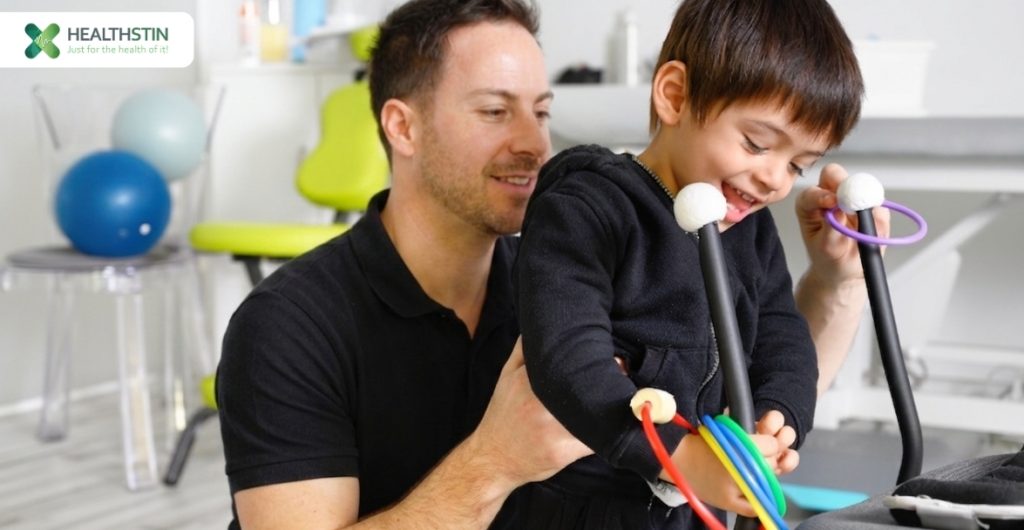
NDIS spastic cerebral palsy physiotherapy treatment

How These Treatments Support Daily Function

We know that for families living with spasticity, the goal is not just an improved range of motion on a clinic table—it is about what happens on a Tuesday at 7:00 AM. When a structured NDIS spasticity management for cerebral palsy plan is built around your real-life needs, the goal moves away from clinical checklists and shifts toward these practical wins for your day-to-day life:

Routine Efficiency

Therapy helps your movements feel much more natural. It turns daily tasks like getting dressed or brushing your teeth from a massive physical “hurdle” into just another manageable part of your morning routine.

Navigation & Mobility

Clinical support focuses on helping you navigate your environment with less assistance. This is about supporting the quiet dignity of increased independence and the ability to move from one room to another with reduced reliance on a carer for every step.

Managing “Physical Noise”

When we address muscle tone, the focus is on managing the intensity of chronic spasms. Addressing discomfort means supporting your ability to wake up without immediate, significant stiffness, allowing the body to function as a more reliable support in your daily life.

Energy Conservation

Every movement should not feel like an exhaustive workout. By supporting movement efficiency, you can manage how you “spend” your energy. Conserving this fuel supports better participation—providing the capacity to work a full day or attend social activities without hitting a wall of early exhaustion.

Why Ongoing Physiotherapy Is Vital

Cerebral palsy is a lifelong condition. While the initial brain injury remains unchanged, the body’s response can evolve. Ongoing therapy supports the evolution of the treatment plan, addressing new challenges as they arise through different life stages.

How NDIS Supports Physiotherapy for Spastic CP

The National Disability Insurance Scheme (NDIS) recognises the role of physiotherapy in maintaining function. Most physiotherapy falls under the Capacity Building – Improved Daily Living budget.

Goal-Based Plans: NDIS funding is tied to specific goals, such as “I want to be able to walk 50 metres independently.”

Progress Reporting: Our therapists provide detailed reports for NDIS plan reviews, documenting how physiotherapy is helping you meet your milestones.

Assessment Funding: You can utilise your initial funding for a comprehensive assessment that outlines the equipment or therapy hours you require.

Case Example: Supporting Functional Independence

A 24-year-old NDIS participant with spastic diplegia found that his leg stiffness was impacting his ability to navigate his university campus. Through a combination of Hydrotherapy for spasticity and mobility training, Liam improved his walking endurance. Over six months, he transitioned toward using forearm crutches, supporting his “functional independence”.

What to Expect from a Healthstin Treatment Plan

Initial Assessment: A look at your muscle tone, strength, and current mobility levels.

Goal Setting: We identify what matters most to you—whether that’s a sport or walking to the shops.

Personalised Therapy Plan: A mix of clinic-based sessions, home exercises, and potentially hydrotherapy.

Regular Reviews: We track your progress and adjust the plan to support your goals.

Why Families Choose Healthstin

Experience in Spastic CP: Our therapists are trained in neurological rehabilitation.

Evidence-Based: We use clinical research to guide our stretching and strengthening protocols.

Flexibility: Choose between home-based visits, clinic sessions, or community-based hydrotherapy.

NDIS Aligned: We provide the required documentation to ensure a smooth plan review.

Frequently Asked Questions

Can physiotherapy reduce spasticity?

While physiotherapy does not “cure” the underlying brain injury, it is effective at reducing muscle spasticity. Through stretching and strengthening, we can manage the intensity of muscle contractions and support movement.

Is hydrotherapy effective?

Yes. The warmth and buoyancy of water are utilised to temporarily manage muscle tone, making it a supportive environment for building strength.

How often should therapy occur?

This depends on your specific NDIS goals. Some participants benefit from weekly sessions, while others utilise a fortnightly “check-in” model supported by a daily home exercise programme.

At what age should therapy start?

The short answer is: as early as possible. Because a child’s brain is highly adaptable—a concept known as neuroplasticity—starting therapy during infancy or early childhood can help guide muscle development and manage the progression of stiffness.

Is treatment different for children vs adults?

Yes, the focus shifts to meet the participant’s current life stage. For children, therapy is often “play-based” and focused on reaching developmental milestones such as crawling, standing, or walking. For adults, the priority usually transitions to maintaining functional independence, managing long-term discomfort, and adapting programmes to support workplace or community participation.

Schedule a Consultation with Healthstin Allied Health Today

The journey toward improved mobility starts with a single conversation. If you are ready to see how a structured, professional treatment plan can support you or your loved one, we are ready to help.

Contact Healthstin today to book your initial NDIS assessment and take a proactive step toward your physical future.

Healthstin provides exercise programs for participants with cerebral palsy across multiple states in Australia.

  • Sans Souci, NSW – Supporting southern Sydney residents
  • Hurstville, New South Wales (NSW) – Conveniently located for serving the St George community
  • Salisbury & Elizabeth, South Australia (SA) – Accessible for Adelaide’s northern suburbs
  • Brimbank & Melton, Victoria (VIC) – Supporting communities in Melbourne’s west
  • Belmont, Western Australia (WA) – Expanding to meet growing local demand

Our team can deliver therapy in our clinics or within the community.

Know Someone Who Could Benefit Our Services?

Help someone take the first step. If you know a friend, a former subbie, or a loved one who is struggling to stay active or feeling socially isolated, we make the referral process simple. Whether they need physiotherapy for cerebral palsy, we’ll help them navigate the D904 or NDIS requirements with ease.

Refer Someone Today and help them start their path to better health and independence.

Get accredited Exercise Physiology, Physiotherapy, and Hydrotherapy support at Healthstin

Make the most of your NDIS funding with Healthstin’s personalised physiotherapy and exercise physiology services. Our team helps you build strength, improve mobility, and maintain your independence—right in your home or at our clinic.

Call 1300 090 931, request a callback, or submit a referral form today to get started. Whether you’re a client, family member, or care manager, our referral process is quick and easy, helping you access the right services without delay.

*Disclaimer: The information provided in this guide is for general educational purposes only and is not a substitute for personalised advice. NDIS services may vary based on your individual assessment and care plan. For accurate guidance about what you can spend your funding on, please contact your care manager or authorised aged care provider.


More Articles

Healthstin provides NDIS Services in Midland
Thursday 01, October 2026

NDIS Services in Midland: Comparing NDIS-Funded Therapies...

Healthstin provides Accredited Exercise Physiologist in Perth
Thursday 01, October 2026

Why Choose Accredited Exercise Physiologists (AEPs) in...

Healthstin NDIS Providers in Elizabeth SA – Providing complete guide to finding the right support
Thursday 01, October 2026

A Comprehensive Guide to NDIS-Approved Providers for...

Therapeutic Services in Sydney
Friday 18, September 2026

The Benefits of Therapeutic Services in Sydney:...

Friday 11, September 2026

Top Tips for Locating a Trusted Physiotherapist...

Category

  • Exercise Physiology 47
  • Physiotherapy 73
People exercising in a swimming pool

Not sure what the right next step is for your situation?

We’ll help you understand which type of support fits your goals, needs, and circumstances.

Unsure which NDIS-funded physiotherapy supports are right for your needs?

We’ll help you understand how your capacity-building budget aligns with your specific functional goals and long-term recovery.

See What Support Fits

Clear advice. Zero commitment.

We’ll review your situation and tell you which service makes sense—and why.

Loading

Find Professional Exercise Physiology and Physiotherapy Near You

Google map interface with options
Map showing Healthstin Allied Health location

Healthstin Sans Souci Clinic

Sans Souci, NSW

Google Maps interface with options
Map showing Healthstin Hurstville location

Healthstin Hurstville Clinic

Hurtsville, NSW

Google map interface with location details
Map showing Healthstin Brimbank location

Healthstin Brimbank Clinic

Keilor Downs, VIC

Google map interface with options
Map showing Healthstin Melton location

Healthstin Melton Clinic

Melton, VIC

Google Maps interface with location details
Map showing Healthstin Elizabeth location.

Healthstin Elizabeth Clinic

Elizabeth, SA

Google map interface with options
Map showing Healthstin Allied Health location

Healthstin Salisbury Clinic

Salisbury, SA

Map with Google logo overlay
Map showing Healthstin Belmont location

Healthstin Belmont Clinic

Belmont, WA

Map of Australia with states outlined

Coverage Areas for Home Visits

Type in your post code in the search bar and find out if we service your area.
RESULT:
Facebook-f Youtube Linkedin
Call Us

1300 090 931

Email Us

[email protected]

Healthstin Logo for footer

Our mission at Healthstin is to empower your abilities. We remove the barriers so you can take control of your health, maximise results and achieve optimal physical and mental well-being.

Book An Appointment
Quick Links
  • Home
  • About Us
  • Our Team
  • Contact Us
  • Blog
  • Clinics
  • FAQs
Our Clinics
  • Sans Souci
  • Hurstville
  • Brimbank
  • Melton
  • Elizabeth
  • Salisbury
  • Belmont
Services
  • Exercise Physiology
  • Hydrotherapy
  • Group Classes
  • Heal Program
  • Physiotherapy
  • Remedial Massage Therapy
  • Acupuncture
  • Insurances
  • NDIS
  • Home Care Packages
  • Commonwealth Home Support Programme
  • Workers’ Compensation
  • Support at Home
  • Department of Veterans' Affairs
  • Delivery Methods
  • In Clinic
  • Hydrotherapy Pool
  • Gym
  • Mobile
  • In-home Visits
  • Local Community Visits
  • Telehealth
Clinic Hours
New South Wales & Victoria
  • Monday-Friday 08:00AM - 6:00PM
  • Saturday 10AM - 3 00PM by appointment only
  • Sunday Closed
South Australia & Western Australia
  • Monday-Friday 08:00AM - 6:00PM
  • Saturday-Sunday Closed
Office Hours
New South Wales, Victoria, South Australia & Western Australia
  • Monday-Friday 09:00AM - 6:00PM
  • Saturday-Sunday Closed
© Copyright 2023 Healthstin PTY LTD
  • Terms and Conditions
  • Privacy Policy
a white arrow in a green circle
Free 10-Min Phone Consultation
Accessibility Adjustments

Powered by OneTap

How long do you want to hide the toolbar?
Hide Toolbar Duration
Select your accessibility profile
Vision Impaired Mode
Enhances website's visuals
Seizure Safe Profile
Clear flashes & reduces color
ADHD Friendly Mode
Focused browsing, distraction-free
Blindness Mode
Reduces distractions, improves focus
Epilepsy Safe Mode
Dims colors and stops blinking
Content Modules
Font Size

Default

Line Height

Default

Color Modules
Orientation Modules
We use cookies on our website to give you the most relevant experience by remembering your preferences and repeat visits. By clicking “Accept”, you consent to the use of ALL the cookies.
Do not sell my personal information.
Cookie SettingsAccept
Manage consent

Privacy Overview

This website uses cookies to improve your experience while you navigate through the website. Out of these, the cookies that are categorized as necessary are stored on your browser as they are essential for the working of basic functionalities of the website. We also use third-party cookies that help us analyze and understand how you use this website. These cookies will be stored in your browser only with your consent. You also have the option to opt-out of these cookies. But opting out of some of these cookies may affect your browsing experience.
SAVE & ACCEPT
People exercising in a swimming pool

Not sure what the right next step is for your situation?

We’ll help you understand which type of support fits your goals, needs, and circumstances.

Unsure which NDIS-funded physiotherapy supports are right for your needs?

We’ll help you understand how your capacity-building budget aligns with your specific functional goals and long-term recovery.

See What Support Fits

Clear advice. Zero commitment.

We’ll review your situation and tell you which service makes sense—and why.

Loading

Real Experts. Real Results.

Not sure if you need Physio, Exercise Physiology or Hydro? We’ll tell you exactly what will work best—for free.

  • Get a customised care plan with just a single call
  • No referrals needed
  • Covered by NDIS, Aged Care, DVA, and Workcover or Private Health

Whether you’re dealing with pain, mobility issues, falls, or recovery, let us take the guesswork out. One of our experts will match you with the right service — at the right location and with the right funding — in under 10 minutes.

Loading
Healthstin Team members in a black suit
Quick Apply Form

Drag & Drop Files, Choose Files to Upload You can upload up to 100 files.
Loading