


Exercise has been scientifically proven to improve not only your physical health but also your mental health.1 However, some of those who are suffering from severe mental conditions acquire a high level of sedentary behavior, losing the capability to engage in physical wellness.
Such cases can be attributed to a psychosocial disability that limits concentration and disrupts daily tasks. It can even make it hard to exercise and live a healthy life, which means you’ll need help from a licensed allied health professional or exercise physiologist.
If you have a loved one or you are experiencing severe psychosocial disability, then we at the Healthstin Clinic can help. We are a team of allied health professionals who provide exercise physiology and disability exercise services. So, if you need exercise physiology in Melton, you can visit our Melton exercise physiology page for more information or contact us today.
To better understand how exercise can help you, let’s first understand the meaning of psychosocial disability.
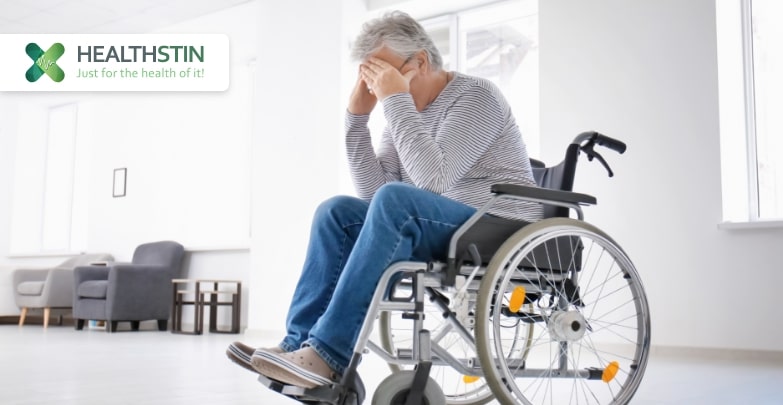
Psychosocial disability refers to a disability that can stem from a mental health condition. While not everyone with a mental health issue experiences a psychosocial disability, it can be characterized by its severity, long-lasting effects, and influence on an individual’s recovery process.
When a person with a mental health problem interacts with a social situation that makes it difficult for them to be equal with others, they develop a psychosocial impairment. The following are some examples of psychological disabilities.
It is important to remember that not everyone with a mental health disorder has a psychosocial disability, but for those who do, it can be severe and affect their daily lives. What are the types and examples that are characterized as a psychosocial disability?
Screening out environmental stimuli
It pertains to the inability of a patient to block out noises, odours and sights that interfere with concentration and focus.
Restlessness and a Short Attention Span
Issues with sustaining concentration are one of the types of psychosocial disabilities. They get easily distracted and have problems remembering instructions.
Low Endurance
One of the physical manifestations of a psychosocial disability is that it deprives people with this disability of the energy to accomplish their tasks. A person with a psychosocial disability may often be found combating drowsiness and being low on energy.
Coping with Changes, Time Pressures, and Multiple Tasks
It is part of a psychosocial illness that makes them unable to adapt to changes, be pressured, and manage or accomplish multiple tasks. It is one of the issues of having a psychosocial disability that it renders you unproductive most of the time.
Trouble with Interacting
Not to be confused with introversion, people with psychosocial disabilities will have trouble connecting with others and responding to social cues, which makes it difficult for them to socialise and establish meaningful relationships with other people.
Responding to Criticism and Negative Feedback
Due to their low self-esteem, a person with a psychosocial disability may take it negatively when constructive criticism is provided. Hence, it affects their performance and leads them to overthink what could have gone wrong.
Like other mental health conditions, this disability is not always evident. Because psychosocial issues can affect both mental and physical health, exercise is one of the most effective treatments for this ailment. So how can we help? And how can exercise help your body?
How to Empower Someone with a Disability?

Accredited Exercise Physiologists (AEPs) are responsible for helping people understand how exercise can improve their physical and mental health. AEPs assist people with psychosocial disabilities in reaching their full potential for physical independence, health, well-being, and quality of life by reducing the impact of physical limitations and increasing mobility capacity.
An Exercise Physiologist helps with the development of mental health, cognition, and memory, as well as physical impairments. An AEP can recommend safe and vigorous personalised aerobic exercise routines that have been shown to improve mental health and reduce anxiety, restlessness, and exhaustion by regulating neurotransmitters such as dopamine, serotonin, and norepinephrine, among other mechanisms.
Exercise Physiologists are experienced in prescribing proper exercises the same way a licenced physician or medical doctor is authorised to prescribe a proper medical diagnosis. An exercise physiologist is tasked with providing the programs, the benefits, and the contexts of each exercise regimen.
Furthermore, accredited exercise physiologists can help with disability claims such as psychosocial disability and NDIS funding. They can provide a detailed assessment and evaluation to assist and guide NDIS participants.
If you are looking for an accredited exercise physiologist to help you or your loved one with their psychosocial disability, you may give us a call at 1300 090 931 or email us at [email protected] for inquiries.
Reference:
- Exercise for Mental Health by Ashish Sharma. Available from: https://www.ncbi.nlm.nih.gov/pmc/articles/PMC1470658/





