Did you know 1 in 5 Australians (18.3% or 4.3 million Australians) are estimated to have a disability1. It’s important to note that disability does not define a person, as it is only a medical diagnosis. And just like any medical diagnosis, physical activity can be essential for the quality of life and promoting a healthy lifestyle.

But have you ever stopped to think what is disability?
Disability is an umbrella term for impairments, activity limitations and participation restrictions; all of which can interact with a person’s health condition(s) and environmental and/or individual factors3.
Disability can affect a person’s:
- movement
- vision
- hearing
- thinking
- remembering
- learning
- communication
- mental health
- social relationships2
With are varying degrees of disability—from having no impairment or limitation to a complete loss of functioning. It can result from genetic disorders, illnesses, accidents, ageing or a combination of these factors.2

General and Mental health
Some people with disability experience poorer health than other Australians. In fact 42% of adults with disability rate their health as poor or fair, compared to 7% without disability.3 Also, 32% of adults with disability experience high/very high psychological distress, compared with 8% without disability.3
It’s been reported that some people with disability will also engage in behaviours that increase their risk of poor health (i.e. poor diet, physical inactivity, and smoking) or experience such barriers (such as cost) in accessing or using health services.3
Physical Activity
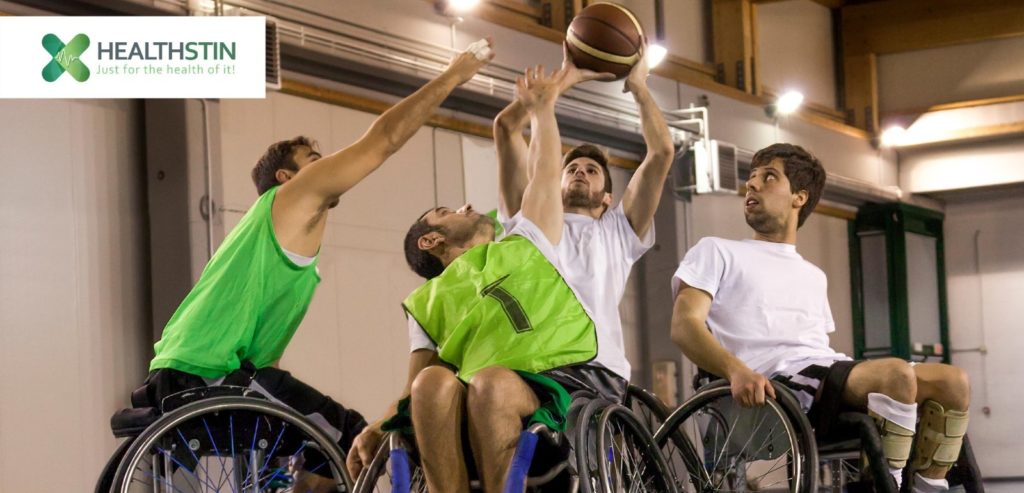
So how does Physical Activity play a crucial role in the health and wellbeing of people with disability? Physical Activity has significant importance on cognitive, emotion and social difficulties4. Despite the well-known benefits, 72% of people with disability do not do enough physical activity for their age.3 A common barrier for participation can be due to a lack of knowledge about physical activity and exercise – an Exercise Physiologist can help with this!
Physically, Physical Activity can reduce pain levels, decrease stress, improve strength, mobility and fitness, making performing activities of daily living easier. 72% of people with disability are overweight or obese in comparison to 55% without disability. With obesity recognised as a major risk factor for adults with disability for chronic diseases such as heart disease, diabetes, stroke or cancer, PA is imperative to ensure optimal health status.3
Something that is often overlooked with Physical Activity is the psychological benefits it has. For people with disability is can enhance self-perception through positive Physical Activity experiences. This, in turn, can contribute to improve social interactions and increase opportunities.
But most of all, Physical Activity is fun and enjoyable.
Want to get started?
Get in touch with an Exercise Physiologist today for a tailored, safe and effective exercise program suited to your needs, goals and rehabilitation values. If you have funding for exercise physiology in your NDIS Plan, you can access support to live a healthier lifestyle, maintain independence and increase your social and community engagement.
References:
1. ABS. (2018). 4430.0 – Disability, Ageing and Carers, Australia: Summary of Findings, 2015. [Accessed 16 Mar. 2021].
2. CDC Centers for Disease Control and Prevention. Disability Overview. 2015 [cited 22/02/2017]. Available from: https://www.cdc.gov/ncbddd/disabilityandhealth/disability.html
3. AIHW People with disability in Australia Available from:https://www.aihw.gov.au/reports/disability/people-with-disability-in-australia-in-brief/contents/about-people-with-disability-in-australia-in-brief [Accessed 16 Mar. 2021].
4. Physical Activity in Individuals with Disabilities. (2020, October 22). Physiopedia, . Retrieved 00:30, March 16, 2021 from https://www.physio-pedia.com/index.php?title=Physical_Activity_in_Individuals_with_Disabilities&oldid=256707.