
Stiff-Person Syndrome (SPS) is a rare and progressive neurological disorder that affects the central nervous system. It causes muscle stiffness, painful spasms, and mobility issues. In Australia, SPS is estimated to affect fewer than 30 people nationally, but increasing awareness from high-profile cases such as the diagnosis of Canadian singer, Celine Dion, which has helped shine a light on this under-recognised condition.
Symptoms often begin in the lower back and legs and gradually worsen, affecting balance, gait, and daily function. SPS is often linked to autoimmune conditions such as Type 1 diabetes and is commonly misdiagnosed as multiple sclerosis or anxiety.
How Physiotherapy helps with Stiff-Person Syndrome
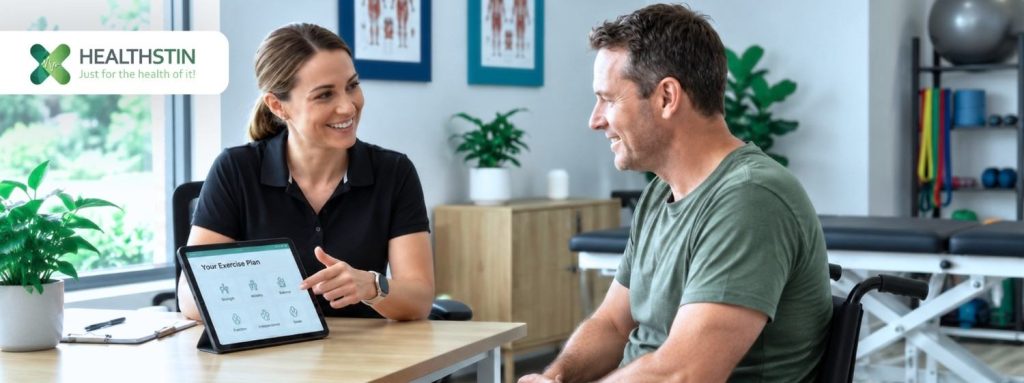
Physiotherapists play a crucial role in managing the symptoms of SPS.
A tailored Physiotherapy programme can:
- Reduce muscle tightness through stretching and manual therapy
- Improve posture and gait mechanics
- Build confidence with balance and walking aids
- Ease spasms through breathing and relaxation techniques
One case study from the Middle East Journal of Rehabilitation and Health Studies demonstrated that a three-week inpatient Physiotherapy programme helped reduce gait dysfunction, improve coordination, and decrease stiffness in a patient with SPS.
Exercise Physiology for Neurological Conditions
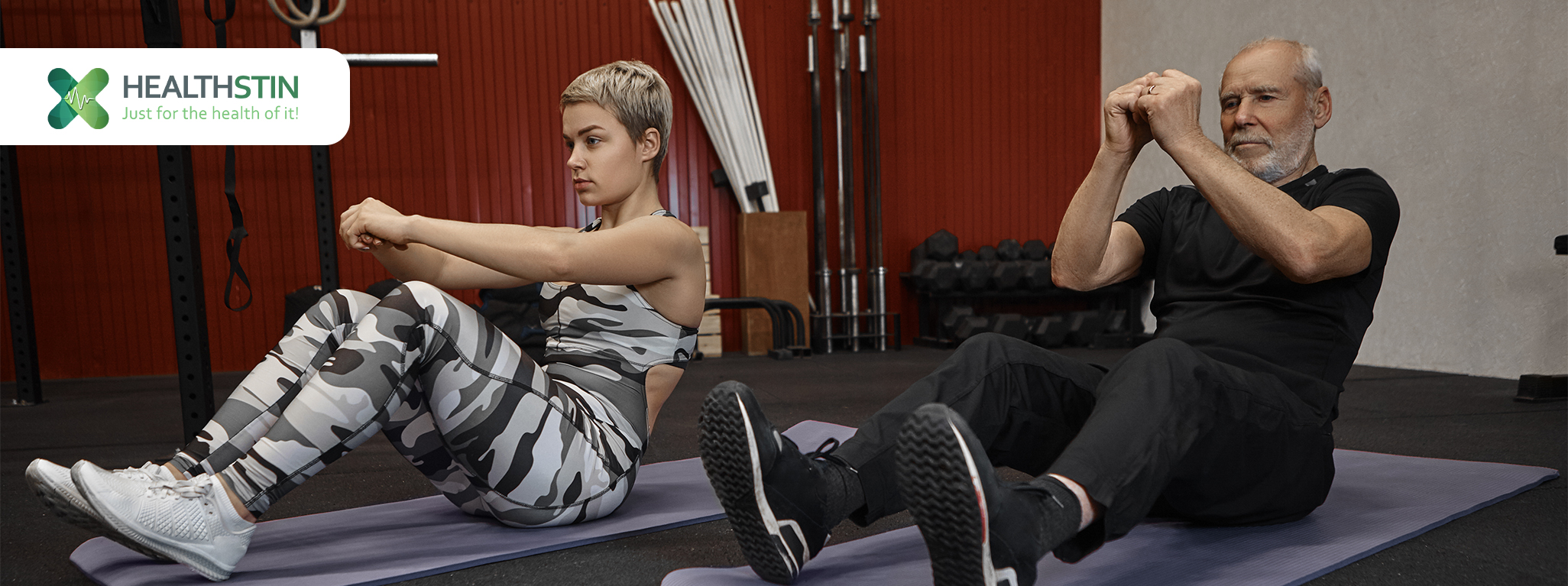
Accredited Exercise Physiologists (AEPs) support long-term health goals through structured, safe movement.
For people living with SPS, this may include:
|
Postural training |
To reduce stress on stiff muscles
|
|
Core strengthening |
To support spinal stability
|
|
Controlled aerobic exercise
|
Examples include walking or cycling |
|
Fatigue management |
Can be done through graded activity pacing
|
Programmes are tailored to the client’s daily function, symptom triggers, and medical background. Regular sessions can help delay symptom progression and prevent deconditioning.
Safe exercises for people with Stiff-Person Syndrome
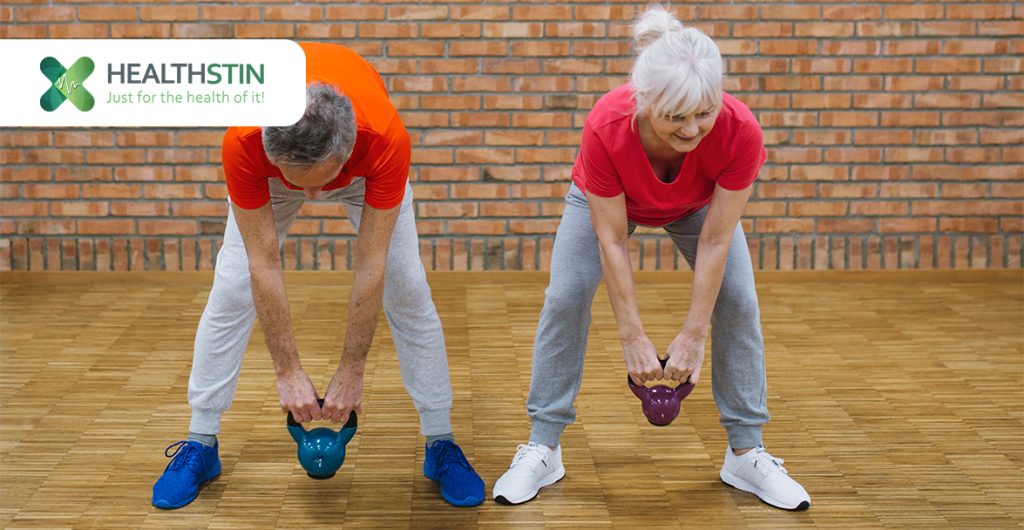
Although each client’s plan should be customised, here are commonly recommended low-intensity exercises:
|
Gentle Stretching |
|
|
Isometric Strengthening
|
|
|
Balance and Stability Work |
|
|
Breathing and Relaxation Techniques |
|
|
Seated or Supported Aerobic Exercise |
|
Note: These exercises are general recommendations and should not replace personalised medical advice. Individuals with Stiff-Person Syndrome should consult their healthcare provider or Allied Health professional such as a Physiotherapist or Exercise Physiologist before beginning any new exercise programme. This can help ensure safety and suitability for their condition as overexertion can worsen symptoms.
Hydrotherapy for Stiff-Person Syndrome
Hydrotherapy or aquatic therapy uses water-based exercises to relieve stiffness, improve strength, and reduce pain. It is an excellent option for people with SPS, especially when land-based movement is difficult.
The benefits of Hydrotherapy include:
|
Reduced joint load |
Buoyancy supports body weight, easing muscle strain
|
|
Improved mobility |
Warm water can relax tight muscles and increase range of motion
|
|
Enhanced circulation |
Promotes muscle healing and reduces inflammation
|
|
Safe environment |
Less risk of falls and injury
|
|
Spasm relief |
Hydrostatic pressure and temperature may calm nervous system responses that cause spasms.
Hydrostatic pressure is the force exerted by water (or any fluid) when it’s at rest. In Hydrotherapy, this pressure is applied evenly to the body when you’re submerged in water.
|
Under the guidance of an Accredited Exercise Physiologist or Physiotherapist, the following low-impact Hydrotherapy exercises may help individuals with SPS improve movement confidence and manage symptoms more effectively:
|
Water Walking or Marching in Place |
Done in waist-to-chest-deep water, this helps improve lower limb mobility and balance without putting pressure on joints.
|
|
Wall-Assisted Leg Swings or Kicks |
Using the pool wall for support, slow controlled kicks can activate hip flexors and stretch tight hamstrings.
|
|
Floating Arm Circles or Shoulder Roll |
These gentle movements can increase shoulder flexibility and reduce upper body stiffness whilst engaging postural muscles.
|
|
Supported Squats (with pool noodles or rails) |
Shallow squats performed in water can improve lower body strength and functional mobility, with buoyancy reducing strain on knees and hips.
|
|
Heel Raises |
Standing near the pool edge for support, lifting the heels engages the calves and improves ankle stability – ideal for enhancing gait patterns.
|
|
Relaxation and Breathing Exercises |
Floating or supported deep breathing exercises in warm water can help reduce nervous system overactivity, support relaxation, and ease anxiety related to stiffness or spasms.
|
Living well with Stiff-Person Syndrome
Whilst there is no known cure for SPS, early intervention and ongoing therapy can significantly improve quality of life. Movement-based therapies like Physiotherapy, Exercise Physiology, and Hydrotherapy offer vital benefits – from easing stiffness and preventing falls to restoring confidence and mobility.
Here are some key takeaways:
|
Start slow |
Pacing is essential to avoid triggering spasms
|
|
Consistency matters |
Regular, low-impact movement is more effective than intense bursts
|
|
Seek support |
Work with accredited professionals who understand neurological conditions
|
|
Explore Hydrotherapy |
Water-based therapy is highly effective for relieving symptoms in a safe, supportive environment
|
Get expert Exercise Physiology, Physiotherapy, and Hydrotherapy support at Healthstin
Whether it’s safe movement guidance from a Physiotherapist, targeted exercise from an Exercise Physiologist, or water-based rehabilitation through Hydrotherapy, a team-based approach can give you the best chance at maintaining mobility, reducing stiffness, and improving your quality of life with Stiff-Person Syndrome.
If you’re navigating life with SPS or recovering from a neurological challenge like spinal surgery, consider engaging with our dedicated team of Allied Health professionals. At Healthstin, our Exercise Physiologists and Physiotherapists are ready to support your mobility, recovery, and reinjury prevention journey.
Call 1300 090 931 or book a 10-minute funding check now and get a clear therapy roadmap for your loved one.