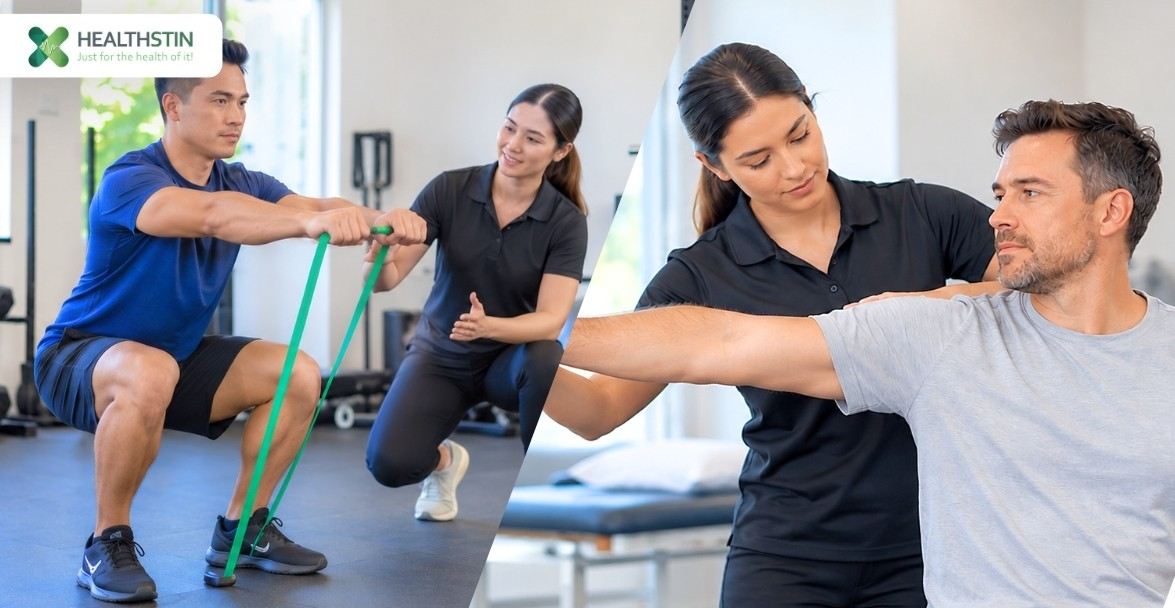
Are you finding it hard to keep up with your usual workout routine because of a packed schedule? Maybe you’ve missed a few boot camp, Pilates, or spin classes, or you’re no longer hitting your 10,000 steps a day. Is your outdoor exercise time starting to slip away, leaving you feeling a bit “lost” and unsure how to adjust your fitness plan? If any of these questions resonate with you, it might be time to rethink your approach to staying active
This is concerning, given the current health statistics. More than half of Australian adults (55%) don’t meet the recommended physical activity guidelines. A major reason? Time constraints. A study found that many Australians cited lack of time as the biggest barrier to regular exercise. With the holidays coming up, time constraints can become even more of a factor for missing out on exercising altogether.
Why make exercise a priority?
Don’t let exercise fall into the “I’ll get to it later” category. It’s easy to push it aside when life feels chaotic and other responsibilities take precedence.
If you’re managing high cholesterol, pairing regular exercise with simple diet and lifestyle changes can make a real difference to your heart health.
Here’s why you should prioritise exercise:
- Improved mental health, helping you stay focused and clear-headed
- Lower risk of chronic conditions, including high blood pressure and cholesterol
- Helps maintain healthy blood sugar levels
- Boosted overall fitness, which supports your immune system
- Better sleep quality and energy levels
What is a good exercise routine? The best exercise routine depends on individual factors like your health and fitness level, but the key is choosing something you enjoy. Enjoyment matters – research shows that in general, Australians skip regular exercise because they don’t find it enjoyable.
3 strategies to improve your physical activity levels
|
1. Plan, plan, and plan
Look at the month ahead and consider two key questions: • What do you want to achieve? • How will you achieve it?
|
Set clear, specific goals for the coming weeks. When you know exactly what you’re aiming for, it’s easier to figure out the steps needed to succeed. Here are some examples of actionable goals:
• Complete 30 minutes of moderate-intensity exercise every day in November • Take a 20-minute brisk walk and do 20 minutes of resistance training three times a week • Stretch individual muscle groups throughout the week after each workout
Taking control of your health starts with setting clear objectives.
For the “how,” consulting a health expert such as one of our Exercise Physiologists is a smart move. They’ll use evidence-based strategies to design a step-by-step plan aligned with your capacity and goals. A personalised, achievable plan will help keep you motivated. |
|
2. Understand your current capacity
Knowing where you stand in terms of fitness, mobility, and overall health is essential. This helps identify exercises that are right for you and ensures you stay motivated.
|
Here are some tests to assess your capacity:
• How many sit-to-stands can you do in 30 seconds? • What is the range of motion in your knee joint? • How long can you balance on one leg? • Do certain movements cause discomfort or pain?
An Exercise Physiologist can use this information to design a tailored plan that includes exercises, stretches, and mobility techniques suited to your needs.
Understanding your current capacity allows you to stay on track and progress toward your goals.
Whether you’re new to exercise or trying to maintain an existing routine despite a busy schedule, an Exercise Physiologist can create a safe and effective home-based workout plan just for you. |
|
3. Explore online exercise options
If scheduling conflicts prevent in-person sessions, virtual options can help you stay on track. |
Telehealth allows you to consult with a health professional through video calls on platforms like Zoom, WhatsApp, or Physitrack. Here’s how it can help:
• Stay on track with personalised one-on-one sessions • Continue Return-to-Work rehabilitation programs • Prepare for sports seasons with targeted rehabilitation exercises
Our Allied Health Experts also offer virtual services through MyHealthPal, a dedicated Telehealth platform. Our Exercise Physiologists can guide you through entire rehabilitation sessions remotely, supported by NDIS or Medicare.
With years of experience in virtual healthcare, we’ve successfully worked with diverse clients – from athletes in Thailand to post-surgery patients in the US. Using platforms like Physitrack, we offer continuous support and monitoring between sessions. |
How do I start an exercise routine
Getting started with exercise is all about setting realistic goals. Begin with activities you enjoy, such as walking, swimming, or light strength training, and aim for 20-30 minutes, 3-4 days a week. If you’ve been inactive for a while or have preexisting health conditions, it’s best to consult an exercise professional first. Start slow, listen to your body, and gradually increase intensity over time.
How often should I change my exercise routine
It’s also essential to refresh your routine every 6-8 weeks to avoid plateaus and keep things interesting and exciting. Switching activities, increasing weights, or trying new workouts helps maintain progress and keeps you motivated.
How much exercise do you need?
The physical activity and exercise guidelines for Australian adults aged 18 to 64 recommend:
- 2.5 to 5 hours of moderate-intensity activity per week, or
- 1.25 to 2.5 hours of vigorous activity weekly
Additionally, strength training should be done at least twice a week. For adults aged 65 and older, aim for at least 30 minutes of moderate-intensity exercise daily. Include activities that promote cardiovascular fitness, strength, balance, and flexibility.
Here are some suggested exercise routines:
| Home Exercise Routine for Beginners | Exercise Routine for
Older Adults |
|
| Frequency | 3-4 days per week | 3-5 days per week |
| Activities | Bodyweight exercises such as squats, push-ups against a wall, and light stretching. | Low-impact exercises like walking, swimming, yoga, or Tai Chi to improve balance and flexibility. |
|
Strength training |
Start with simple movements like bicep curls with water bottles or chair-assisted squats. | Use resistance bands or light weights 2-3 times a week to maintain muscle mass and bone health. |
|
Safety tips |
• Focus on form over speed
• Rest when needed • Gradually increase intensity over time |
• Warm up before exercise
• Stay hydrated • Consult a health professional if you have chronic conditions |
Types of exercise to incorporate into your routine
|
Aerobic Fitness |
There are plenty of aerobic activities to choose from – walking, jogging, water aerobics, cycling, or hiking.
If you’re short on time, find creative ways to fit movement into your day: • Take your lunch outside for a brisk walk • Use the stairs instead of the lift • Park further from your destination to increase your step count • Take short breaks every 30 minutes to stretch or move
At home, swap TV time for outdoor play with the family. Get the kids involved in gardening. Walk or cycle to run errands instead of driving. |
|
Strength Training |
Strength exercises using body weight, free weights, machines, or resistance bands help build endurance and muscle strength. Resistance bands are affordable, portable, and perfect for home workouts. Aim to engage all major muscle groups during each session.
A simple resistance band routine might include: • Chest presses for the pectorals • Lateral raises for the shoulders • Bent-over rows for the back • Squats for the legs • Bicep curls and tricep extensions for the arms |
|
Flexibility Training |
Stretching all major muscle groups helps maintain mobility and prevent injury. Spend at least 60 seconds on each stretch, holding for 15-20 seconds.
Alternatively, yoga or Tai Chi offer excellent ways to improve flexibility through movement. |
Start moving – Your body will thank you
If you’re ready to leave the couch behind and kickstart your fitness journey, consulting one of our Exercise Physiologists is a great first step. Our Allied Health Team can assess your fitness level, create an exercise plan tailored to your needs, and monitor your progress.
Exercise is too important to push aside when life gets busy. Use these strategies to incorporate physical activity into your routine and let our Exercise Physiologists support you along the way. Making exercise a habit will benefit your health and quality of life in the long run.
Call us today via 1300 090 931 or click this link to start your journey towards better health and wellbeing.