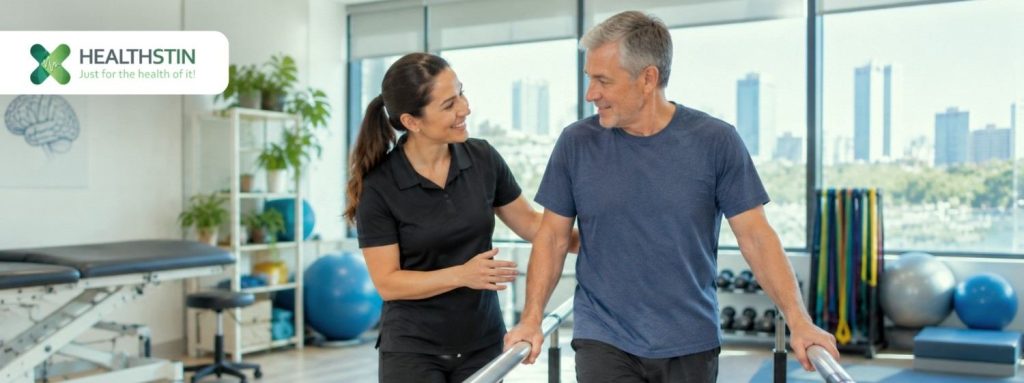
Following a stroke, rehabilitation initiates the recovery journey. It aids individuals in regaining abilities and reacquiring tasks. The process can vary for each individual based on the stroke’s impact. Rehabilitation is centred on redeveloping strength, speech, and daily activities skills.
Recovery post a stroke is a time-consuming process. Healing rates are unique to each individual. Some may observe rapid progress, while others might require an extended duration. Being patient is integral during this phase.
Stroke and recovery are closely interlinked. Recovery isn’t only physical but encapsulates mental health support as well. Encouragement from family and friends significantly contributes to the healing process.
Numerous approaches, including physiotherapy, speech therapy, and occupational therapy are utilised in stroke recovery rehabilitation. Experts lead patients through exercises specifically designed for their requirements.
Recovery experiences post a stroke are vastly unique for each person. Contributing factors comprise the stroke’s location in the brain and the severity of its impact.
The timeline for stroke recovery can’t be precisely estimated; it spans anywhere between months to years.
The phases of recuperation following a stroke usually commence with initial hospitalisation.
Recovery after Stroke
Recovery after stroke focuses on managing health in many ways, especially eating right. A good diet is crucial. It’s important to have smaller meals more often during the day. This keeps energy up and blood sugar steady.
Many people who have had a stroke find it hard to swallow because of dysphagia. They might need softer foods.
Planning meals is key for balanced nutrition in stroke recovery. Healthy meal plans help avoid bad food choices. This supports rehabilitation for stroke recovery by giving the body what it needs to heal.
Proper diet and rehabilitation can improve recovery from stroke, affecting how long the process takes and how successful it is.
Stroke and Recovery
Recovery after a stroke is a critical time for patients. In Australia, more than 100 people have strokes every day. About one-third of them might find daily tasks harder because of disabilities caused by the stroke.
Eating can also become difficult due to dysphagia, leading to the need for a soft diet. To get better, doctors say it’s good to do physical activities for at least 30 minutes most days.
Having healthy food matters too for getting back strength and staying well in the long run.
Next up is how rehabilitation helps in recovering from a stroke.
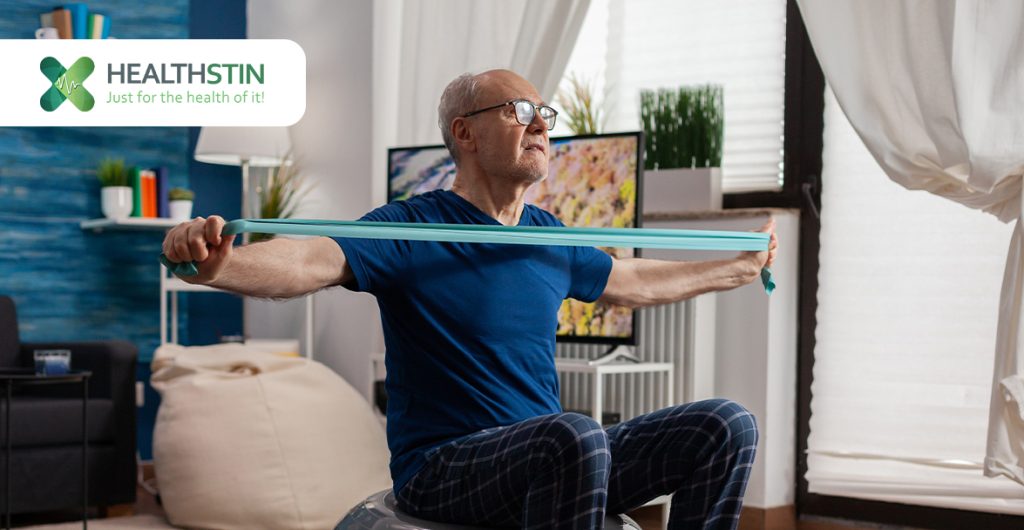
Rehabilitation for Stroke Recovery
Moving from understanding stroke and its aftermath, we focus on rehabilitation for stroke recovery. Rehabilitation plays a key role in helping individuals manage various health issues after a stroke.
A well-planned nutritional plan is crucial during this phase to aid recovery and prevent future strokes. Setting up consistent meal times helps keep energy levels steady and blood sugar managed.
Often, dietary adjustments are needed because many patients face challenges like dysphagia, which makes swallowing difficult.
Consulting healthcare professionals such as dietitians becomes essential for tailoring nutrition to individual needs. Sometimes, supplements become necessary; these might include vitamin D, B vitamins, or omega-3 fatty acids based on what the healthcare provider suggests.
The goal of rehabilitation is not just physical recovery but also ensuring the body receives the right nutrients to heal and strengthen over time within the expected stroke recovery stages.
Recovery from Stroke
After completing rehabilitation, patients focus on recovery from a stroke. They need to manage their health well. Eating right is key for this stage. Stroke patients should eat foods that are good for the heart and brain.
This helps lower the chance of another stroke.
Patients also must stay active most days, aiming for at least 30 minutes of exercise. Getting enough movement supports their overall recovery efforts. Keeping track of stroke recovery time helps measure progress through different stages of getting better after stroke.
Stroke Recovery Stages
Transitioning from the critical phase of recovering from a stroke, understanding the expected timeline for stroke recovery is vital to establish realistic goals and milestones for both the stroke survivors and their support networks. The recovery time after a stroke varies greatly among individuals, depending on several factors such as the severity of the stroke, the part of the brain affected, and the survivor’s overall health before the stroke. The following table provides a general guide to the stages of stroke recovery and their corresponding time frames:
| Stage of Recovery | Time Frame |
|---|---|
| Acute Recovery | First 24 hours to 2 weeks |
| Subacute Recovery | 2 weeks to 3 months |
| Early Post-Acute Recovery | 3 months to 6 months |
| Late Post-Acute Recovery | 6 months to 12 months |
| Long-Term Recovery | 1 year onwards |
The initial stage, known as acute recovery, focuses on stabilising the individual’s health. Subacute recovery involves more intensive rehabilitation efforts. Moving into early and late post-acute recovery, the focus is on regaining independence and improving quality of life. Finally, long-term recovery continues for years after the stroke, with many individuals experiencing ongoing improvements. Each stage is vital in the journey towards recovery, with this timeline serving as a guide for setting achievable rehabilitation goals.
Each day, Australia sees over 100 stroke events, indicating the critical need for effective recovery programs. About one-third of these patients will face disabilities affecting their daily tasks. Therefore, rehabilitation for stroke recovery must adapt to each individual’s pace and needs, potentially spanning from a few months to several years. Emphasising the importance of a well-structured diet, services like those offered by Healthstin Allied Health Clinic are vital. Their dietitian support can play a significant role in patients’ recovery and long-term health outcomes, available through both in-person consultations and online.
Stroke Recovery Stages
Stroke recovery spans a spectrum of diverse experiences, including the reclamation of strength and the reacquisition of skills.
- Immediate stage: This occurs straight after the stroke. Medical professionals concentrate on preserving life and avert further harm. They might utilise medication to dissolve clots in situations where the stroke is a result of an obstruction.
- Intermediate stage: Recovery commences here, typically in a hospital or rehabilitation facility. Patients may initiate basic physical routines. They might also begin relearning to articulate if their speech has been affected.
- Early recovery stage: During this period, patients aim to regain their domestic functionality. Assistance may be needed for daily tasks such as dressing or cooking. Some individuals begin to use aids like walking sticks.
- Advanced recovery stage: In this phase, individuals strive for regained self-sufficiency. They continue physical exercises to enhance muscular strength and coordination.
- Long-term sustenance: This focuses on maintaining improvements achieved during the recovery process and prioritising overall health. Daily life incorporates activities such as walking or practising hobbies.
Throughout these stages, nutrition has a significant influence on healing and strength development. A balanced diet aids in cell repair and offers energy for rehabilitation exercises.
Professionals at the Healthstin Allied Health Clinic suggest including family in meal preparation to promote healthier eating routines.
Regular physical exercise is equally important, with a goal of 30 minutes on most days to enhance cardiovascular health and stimulate recovery.
Consultation with a dietitian familiar with stroke recovery can offer personalised dietary suggestions, guaranteeing optimal care throughout your recovery journey.
These stages demonstrate the progression of someone from requiring intensive care to achieving increased self-reliance after a stroke, highlighting the distinct trajectory each individual follows in recovering their independence and improving their life quality post-stroke.
Patient-centred Care for Stroke Patients
Our expert in Physiotherapy Services is ready to support your health needs through in-person consultations and collaboration with our multidisciplinary team of Exercise Physiologists and Physiotherapists at the Healthstin Allied Health Clinic in Sans Souci.
Outside of Melbourne, our Physiotherapy services are accessible online throughout Australia via our innovative telehealth app, MyHealthPal. Our expert Physiotherapist has extensive experience in addressing a wide range of conditions, including musculoskeletal issues, post-surgical rehabilitation, and chronic pain management. We also provide specialised services such as comprehensive assessment reports and tailored exercise programs for NDIS Participants and Aged Care clients.
Book a consultation with our expert Physiotherapist today by calling 1300 090 931