As everybody heads back to normality, a lot of people are also going back to sitting all day behind a desk and no hip mobility exercises. Aside from being defined as a state of not being physically active, Webster’s Dictionary also expounds on the word “sedentary” as ‘doing or requiring a lot of sitting.’ Small wonder that some quarters consider sitting as the new smoking.
Research states that 44% of working-age Australians spend most of their day sitting down. It’s also not surprising to find out that around 75% of adults from 18-64 years old do not meet the physical activity and muscle-strengthening component of the Australian guidelines for physical activity.
What the studies also suggest is that people tend to neglect taking care of the part of the body being used to sit on. No doubt most people know that a sizeable percentage of the general population spend too much time sitting down. Then, again, keeping the hips mobile is a prerequisite to being able to sit, walk, and exercise pain-free.
Ever noticed that when you pick up something off the floor, you’ll bend at your waist and lift with your lower back? That’s an injury waiting to happen. The hips don’t lie when they say they need to maintain a full range of motion.
What Affects Your Hip Mobility?
The simple truth is that almost everybody spends most of the day sitting. But why is sitting so BAD for your hip mobility? Being in a seated position affects your hip mobility in two major ways:
1/ It weakens the muscles of the glutes
2/ It shortens your hip flexors
Weak glutes + short hip flexors > weak/inactive hips > overactivation of the lower back
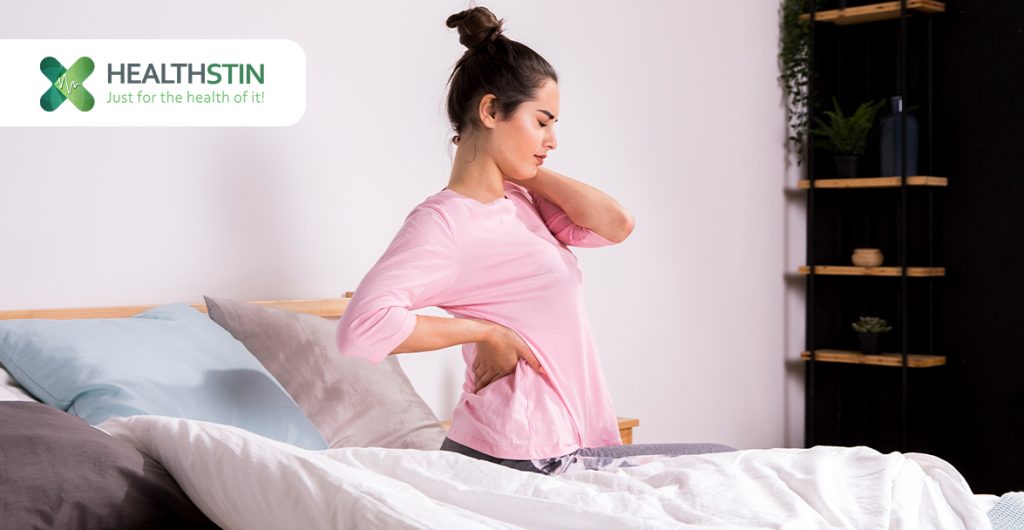
The problem with the above chain of reaction is that the lower back is not designed to withstand a lot of loading and activity. Your hip muscles connect your core muscles to your lower extremities. Your lower back is designed more for stability and support, whereas your hips are designed to generate power and provide strength.
Take a closer look at the anatomical makeup of your hips: The hip complex is made up of dense and robust muscles, ligaments, tendons, and joints that are made for intense loading and mobility.
Just as you need an adequate amount of sleep every night to function sufficiently, the same goes for mobility. In the rehabilitation world, “the core” is often the focus of treatment, and with good reason. The core muscles provide an anchor point for your extremities and give support to your spine. However, the muscles of your hips are often neglected in these treatments, and this isn’t always ideal. Just like a good strong core, a mobile hip complex is required for optimal stability, performance, and pain reduction.
What is Hip Mobility Good For?
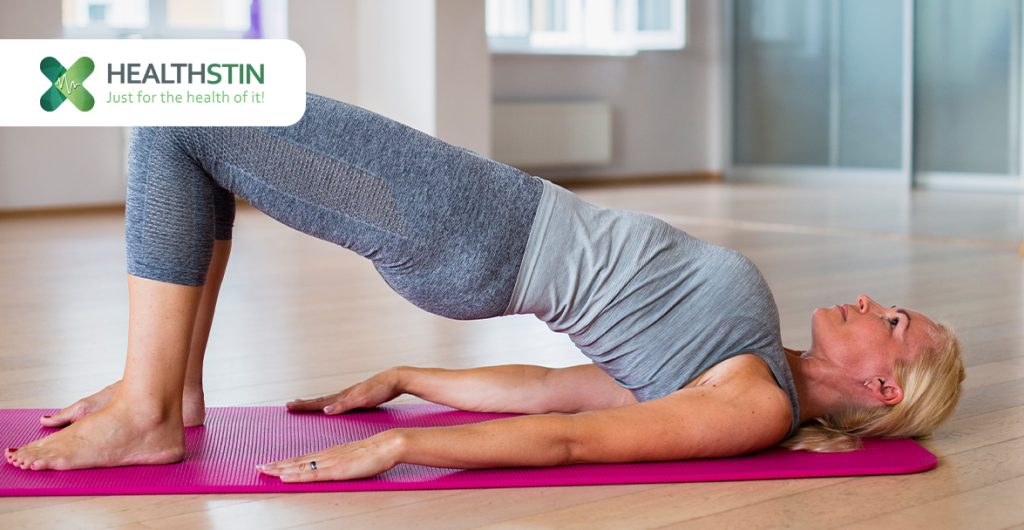
The top two benefits we can derive from great hip stability are:
- Reduced Pain – hip mobility can help to reduce or even eliminate lower back and/or knee pain. Poor hip mobility can sometimes be the cause of pain in these areas due to overcompensation. Think of it as a chain reaction. If the hips are inactive, the surrounding musculature, joints, and ligaments need to make up for it! Good hip mobility can help reduce imbalances and risks of injuries.
- Increased Power – if the muscles of your hips have good mobility, you allow them to fully engage. So, when it comes to squats, deadlifts, or even just general activities of daily living, they become a safer and stronger movement that allows increased power output. Improved hip mobility can also facilitate efficient movement.
3 Hip Mobility Exercises on Improving Your Hip.
So how can you incorporate hip mobility exercises into your day-to-day activities or training sessions? Well, there is no need for fancy equipment or a lot of space. Simply tuck your chair into your desk and stand behind it.
Here are the three top exercises that Healthstin Exercise Physiologists recommend for improving and maintaining hip mobility:
1. Hip Abduction
This exercise helps increase pelvic stability in everyday activities such as walking; also vital for better balance
How to do this exercise:
- Stand up with your back straight, feet about hips-width apart. Hold on to a sturdy chair or table for support.
- Lift one leg to the side without rotating your pelvis while ensuring that your standing leg remains straight and that your hips face forward.
- Lower your working leg slowly to the starting position. Breathe in at exertion, when you lift your leg. Breathe out when you lower your leg.
- Do 10-20 reps. Then do the same with the other leg.
2. Standing Hip Extension
This hip exercise works the glutes and hamstrings while building hip strength and improving hip mobility
How to do this exercise:
- Stand in front of a sturdy chair or table, holding onto it for support.
- Extend one leg backward toward the direction of the ceiling, keeping your knee straight.
- Hold at the top and squeeze your glutes.
- Relax your working leg and return to the starting position.
- Do 10-20 reps, then do the same for the other leg.
3. Standing Hip Flexion
This exercise targets the hip flexors that allow your hips, pelvic bones, and joints to get used to bearing weight
How to do this exercise:
- Stand straight, feet about hips-width apart. Hold on to a sturdy chair or table for support.
- Bring the knee of your working leg upward toward your chest, at about a 90• angle.
- Hold at the top for 3-5 seconds.
- Lower your working leg slowly and return to the starting position.
- Do 10 to 20 reps. Then do the same for the other leg.
Note: Results may vary amongst individuals, due to factors such as age, the underlying condition, and overall health. The information provided here is general in nature and does not take your individual circumstances into consideration. This presentation is aimed at demonstrating accurate exercise techniques and is not intended for self-diagnosis or self-management of your medical condition.
If you experience persistent discomfort when attempting an exercise, it is advisable to consult a qualified Exercise Physiologist for guidance and assistance. You can reach out to our expert Allied Health Professionals at 1300 090 931.
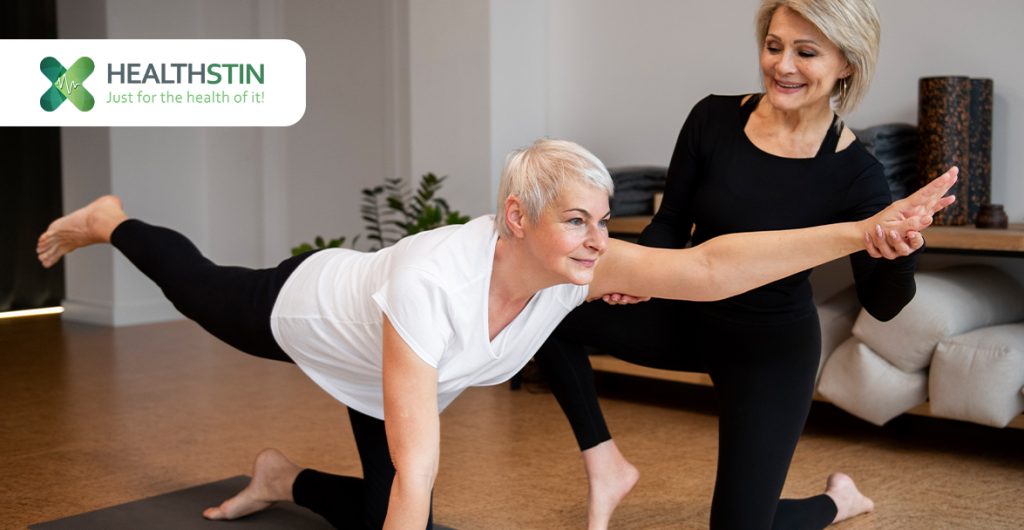
Book Your Hip Mobility Experts at Healthstin — Improve Flexibility, Strength & Movement in Just 4–6 Weeks, Guaranteed.
Regain your freedom of movement and say goodbye to hip stiffness with Healthstin’s expert-led Hip Mobility Program. In just 4–6 weeks, our proven approach will help you improve flexibility, build strength, and move with confidence — all guided by experienced clinicians who keep your care consistent and your progress measurable. Don’t wait for the pain to get worse — call 1300 090 931 or book online today and take the first step towards stronger, healthier hips.