Imagine moving with greater confidence, less pain, and more freedom to do things you love. That’s the goal of working with an Exercise Physiologist—a university-qualified allied health professional who uses evidence-based exercise to help you rebuild strength, manage chronic conditions, and improve overall wellbeing.
At Healthstin, our Accredited Exercise Physiologists design personalised programmes to help people of all abilities, including NDIS participants, move better, feel stronger, and live more independently. If you’ve searched “what is an Exercise Physiologist?” online and wondered how their approach differs from a physiotherapist or trainer, this guide will walk you through everything you need to know.
Defining the Role: Exercise Physiologist Explained
When you hear the term Exercise Physiologist, you might think of someone who simply helps people exercise, but their role goes far beyond that. Exercise Physiologists are allied health professionals who use the science of movement to support people living with chronic conditions, disabilities, or injuries to achieve better health and quality of life. Understanding what they do and how their expertise differs from other professionals is the first step to making informed choices about your care.
What “Exercise Physiology” Means
Exercise Physiology is the scientific study of how the body responds and adapts to physical activity. It goes beyond general fitness, focusing on how targeted exercise can help prevent, manage, or treat chronic conditions and injuries.
Accredited Exercise Physiologists (AEPs) use their deep understanding of anatomy, physiology, and pathology to design safe and effective exercise programmes for people with a wide range of health conditions.
Who Qualifies as an Exercise Physiologist
An Accredited Exercise Physiologist is not just a fitness trainer. They are allied health professionals with:
- A four-year university degree in clinical exercise science and rehabilitation.
- Accreditation from Exercise & Sports Science Australia (ESSA)
- Experience in designing and delivering exercise interventions for people with chronic, complex, or disabling conditions.
They are recognised under NDIS, DVA, WorkCover, Aged Care, and most private health funds, reflecting their vital role in the Australian healthcare system.
Where You Can Access Exercise Physiology Services
| Setting | How Exercise Physiologists Help |
| Allied Health Clinics & Hospitals | Collaborate with physiotherapists and GPs to support rehabilitation and chronic disease management. |
| NDIS & Community Programmes | Provide tailored exercise plans to help participants improve mobility, strength, and independence in daily living. |
| Rehabilitation & Aged Care Centres | Assist with recovery after injury, illness, or surgery and promote safe physical activity for older adults. |
| Workplace Health & Sporting Environments | Develop injury prevention programmes, enhance physical performance, and support safe return-to-work plans. |
At Healthstin, our Exercise Physiologists work across these settings: clinical, hospital, and community setting to make quality care accessible wherever you are.
What Does an Exercise Physiologist Do?
An Exercise Physiologist does much more than guide you through workouts, as they use exercise as a clinical tool to improve your health, function, and quality of life. Whether you’re living with a chronic condition, recovering from injury, or aiming to build strength and confidence, an Exercise Physiologist creates a tailored programme that meets your unique needs and goals.
Assessment and Testing
Before designing a plan, your Exercise Physiologist conducts a comprehensive health and movement assessment to understand your current abilities and limitations. This may include:
- Functional capacity testing – measuring mobility, flexibility, and endurance.
- Cardiorespiratory assessments (VO₂ testing) – evaluating how efficiently your body uses oxygen during exercise.
- Strength and balance tests – identifying areas that need improvement or support.
These assessments help your practitioner set safe baselines and track progress over time.
Designing and Delivering Customised Exercise Programmes
Once your goals and health status are clear, your Accredited Exercise Physiologist (AEP) creates an exercise programme tailored to your condition, lifestyle, and preferences. Programmes may include:
- Aerobic training (walking, cycling, Hydrotherapy) for heart and lung health.
- Strength and resistance exercises for building muscle and improving balance.
- Flexibility and mobility routines to enhance movement and reduce stiffness.
- Functional exercises that make daily activities, like getting dressed or climbing stairs, easier and safer.
At Healthstin, our programmes are always goal-driven, evidence-based, and delivered with ongoing support from our university-qualified Exercise Physiologists.
Monitoring, Modifying and Educating on Lifestyle
Exercise Physiologists don’t just hand you a plan—they work with you long-term. They regularly monitor your progress and adjust your programme as your abilities improve.
They also provide education on healthy habits, such as:
- Safe movement techniques and posture corrections.
- Nutrition basics and recovery strategies (in collaboration with dietitians).
- Stress management and behaviour change techniques to sustain motivation.
This holistic approach helps you develop lifelong skills for better physical and mental wellbeing.
Typical Conditions They Manage
Exercise Physiology can help with a wide range of conditions across the lifespan. Some of the most common include:
| Category | Examples of Conditions Supported |
| Chronic Health Conditions | Diabetes, cardiovascular disease, obesity, arthritis, COPD, osteoporosis |
| Neurological Conditions | Stroke, multiple sclerosis, Parkinson’s disease, cerebral palsy |
| Musculoskeletal Injuries | Back pain, joint pain, post-surgical rehab, tendon or ligament injuries |
| Mental Health & Behavioural Support | Anxiety, depression, PTSD, stress-related fatigue |
| Disability & NDIS Support | Physical, intellectual, or psychosocial disabilities requiring movement-based interventions |
Through structured programmes, Exercise Physiologists empower people to move more confidently, reduce pain, and live with greater independence, especially those funded under NDIS Allied Health services.
Exercise Physiologist vs Other Health Professionals
Because Exercise Physiologists often work alongside other allied health professionals, it’s easy to wonder how their role differs. Understanding these differences can help you choose the right support for your goals, whether you’re managing a chronic condition, recovering from an injury, or seeking to improve your overall wellbeing.
Exercise Physiologist vs. Physiotherapist
Whilst both are essential members of the allied health team, their areas of focus and treatment approaches differ.
| Aspect | Exercise Physiologist (AEP) | Physiotherapist |
| Core Focus | Uses exercise as therapy to improve health, function, and chronic disease management. | Provides diagnosis, hands-on treatment, and rehabilitation for injury and movement disorders. |
| Typical Clients | People with chronic conditions (e.g. diabetes, arthritis), disabilities, or those seeking long-term wellness improvements. | People recovering from acute injury, surgery, or musculoskeletal pain. |
| Treatment Approach | Exercise-based programmes and lifestyle education. | Manual therapy, joint mobilisation, and exercise rehabilitation. |
| Accreditation Body | Exercise & Sports Science Australia (ESSA) | Australian Physiotherapy Association (APA) |
In many cases, Exercise Physiologists and Physiotherapists work together. For example, a Physiotherapist may treat your initial injury, whilst an Exercise Physiologist can help you rebuild strength and maintain function over time.
Exercise Physiologist vs. Personal Trainer
It’s common to confuse Exercise Physiologists with personal trainers, but there are key distinctions in education, clinical expertise, and client focus.
| Aspect | Exercise Physiologist (AEP) | Personal Trainer |
| Qualification | Four-year university degree in exercise science and clinical rehabilitation. | Certificate III or IV in Fitness. |
| Scope of Practice | Typically works with people who have chronic conditions, disabilities, or injuries requiring clinical supervision. | Often works with healthy individuals aiming to improve fitness or physique. |
| Insurance & Rebates | Eligible to deliver services under NDIS Capacity, Building supports, and commonly accessed through WorkCover, DVA, Aged Care programmes, and private health funds. | Not eligible for medical rebates or allied health referrals. |
| Approach | Evidence-based, tailored programmes to improve function and health outcomes. | Fitness-oriented sessions focused on performance and body composition. |
If you’re managing a medical condition or need structured rehabilitation, an Accredited Exercise Physiologist may offer the safety and expertise that general fitness training may not provide.
Exercise Physiologist vs. Occupational Therapist and Other Allied Health Practitioners
| Professional | Primary Focus | How They Work Together |
| Occupational Therapist (OT) | Helps clients improve their daily living skills, independence, and participation. | EPs support OTs by improving the client’s physical capacity to perform everyday tasks safely. |
| Physiotherapist | Manages pain, movement dysfunction, and recovery from injury. | EPs continue exercise-based rehab once pain or acute injury has stabilised. |
| Dietitian | Provides evidence-based nutrition guidance. | EPs complement this by promoting active lifestyles that align with healthy eating goals. |
At Healthstin, our Accredited Exercise Physiologists collaborate closely with other allied health professionals to deliver integrated, client-centred care, particularly to NDIS participants, where team-based support is essential for achieving long-term outcomes.
Benefits of Working with an Accredited Exercise Physiologist
Choosing to work with an Accredited Exercise Physiologist (AEP) means choosing a health professional who understands how structured movement can transform your life, not just physically, but emotionally and socially too.
Whether you’re managing a chronic condition, recovering from injury, or working toward greater independence through the NDIS, the benefits of evidence-based exercise are extensive and lasting.
Evidence-Based, Safe Approach
Accredited Exercise Physiologists are trained to apply the latest clinical exercise science and research to every programme they design. This ensures every movement is safe, purposeful, and adapted to your condition.
They can confidently support clients with:
- Chronic diseases such as diabetes, arthritis, heart disease, and obesity.
- Neurological or musculoskeletal conditions, including stroke, Parkinson’s disease, or back pain.
- Mental health concerns, such as anxiety or depression.
Because AEPs operate within the Allied Health exercise physiology framework, their programmes meet recognised healthcare and safety standards across Australia.
Tailored to Your Goals or Condition
No two people are the same, and your exercise plan shouldn’t be either. An Exercise Physiologist starts by understanding your medical history, current capabilities, and personal goals. From there, they build a plan that’s achievable, flexible, and designed around your pace.
This person-centred approach means your sessions may focus on:
- Improving balance and coordination.
- Building strength and endurance.
- Reducing pain or fatigue.
- Regaining confidence in daily tasks.
At Healthstin, our Exercise Physiologists ensure every programme aligns with your needs, whether you’re an NDIS participant, an Aged Care client, or someone seeking lifestyle change.
Supports Long-Term Health, Not Just Short-Term Fitness
Unlike general fitness programmes, Exercise Physiology services aim for sustainable health outcomes.
Your AEP helps you develop lifelong skills and habits, so the improvements you make today last well into the future.
Common long-term benefits may include:
- Better cardiovascular health and energy levels.
- Improved mobility, flexibility, and independence.
- Reduced risk of chronic disease progression or relapse.
- Enhanced mental wellbeing and self-confidence.
This holistic, ongoing approach is what makes Exercise Physiology a cornerstone of long-term health management.
NDIS, WorkCover, or Aged Care Funding Options
One of the most practical advantages of seeing an Accredited Exercise Physiologist is the range of funding options available.
Their services are recognised across major Australian health and care systems, including:
- NDIS – under Improved Health and Wellbeing or Improved Daily Living supports.
- WorkCover – supporting safe and structured return-to-work programmes after injury.
- Aged Care – as part of Home Care Packages or residential care plans to maintain mobility and independence.
- DVA (Department of Veterans’ Affairs) and Private Health Funds – depending on eligibility.
This means you can access quality, clinically supported exercise programmes with little to no out-of-pocket expense, particularly when referred by your GP, case manager, or care coordinator.
When and Why You Should See an Exercise Physiologist
You don’t need to be an athlete or in a rehabilitation programme to benefit from seeing an Exercise Physiologist. These allied health professionals can support people at every stage of life, from those managing chronic illness to those simply wanting to move more confidently or maintain independence as they age.
Here are some of the most common reasons to see an Accredited Exercise Physiologist and how they can help.
For Chronic Conditions, Rehabilitation, or Injury Recovery
If you’re living with a chronic health condition or recovering from an injury, an Exercise Physiologist can design a programme that helps you rebuild strength safely and progressively.
They’re trained to work with conditions such as:
- Diabetes, cardiovascular disease, and obesity
- Arthritis and osteoporosis
- Chronic pain and musculoskeletal injuries
- Post-surgery rehabilitation
Through structured, evidence-based exercise, AEPs can help you manage symptoms, reduce pain, and prevent further complications, all whilst restoring confidence in your movement.
For NDIS Participants and Allied Health Referrals
If you’re an NDIS participant, an Accredited Exercise Physiologist NDIS provider can help you achieve your physical and functional goals under the Improved Health and Wellbeing or Improved Daily Living categories.
They can assist with:
- Increasing mobility and balance to support daily activities.
- Building strength and endurance for greater independence.
- Reducing fatigue and improving posture or coordination.
- Working collaboratively with your Physiotherapist or Support Coordinator to ensure your programme fits within your plan.
At Healthstin, our team provides allied health exercise physiology services across multiple locations and in community settings, making support accessible where you live.
For Performance, Wellness, and Lifestyle Change
Exercise Physiology isn’t just for people with medical conditions—it’s also for anyone wanting to enhance their overall health and performance.
You might benefit from seeing an Exercise Physiologist if you:
- Want to start exercising safely after a long break.
- Need guidance to prevent injuries or overtraining.
- Are seeking structured programmes to improve stamina, posture, or flexibility.
- Want professional accountability to build consistent habits.
Unlike standard fitness programmes, Exercise Physiology services provide a scientific foundation and measurable results, helping you stay active for the long term.
What to Expect in Your First Session
Your first session with an Exercise Physiologist is designed to help you feel comfortable, understood, and supported from the start. It’s an opportunity to talk about your health background, personal goals, and what you’d like to achieve, whether that’s managing pain, improving mobility, or building confidence in daily activities.
Initial Intake and Assessment
The session begins with a detailed consultation to learn about your medical history, current medications, and daily routine. Your Exercise Physiologist may also perform simple movement and strength assessments to understand your current fitness level and any areas of concern. These findings form the foundation of a safe, personalised exercise plan that suits your condition and ability.
Setting Goals and Developing Your Plan
Together, you’ll set realistic and meaningful goals that align with your lifestyle and long-term health needs. Your Exercise Physiology programme might include a combination of gentle strength training, mobility work, and functional exercises that support your everyday independence. Education around movement, breathing, and pacing techniques is often included to help you stay active safely.
If you’re an NDIS participant, your Exercise Physiologist will also document your goals and outcomes to ensure they align with your plan and broader supports.
Typical Follow-Up and Progression Steps
Following your first session, your Exercise Physiologist will check in regularly to monitor your progress, adjust your programme as you improve, and provide ongoing motivation. Over time, you’ll notice gains in strength, energy, and confidence along with a greater understanding of how movement can enhance your wellbeing.
At Healthstin, every session is about empowerment. Our team creates a welcoming space where you can progress safely and sustainably toward better health and independence.
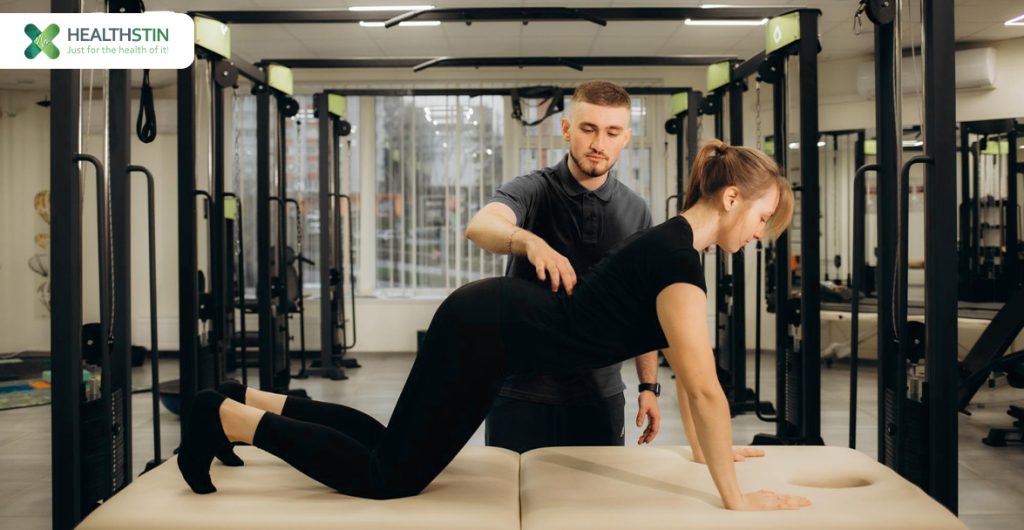
Why Choose Healthstin for Exercise Physiology Services
Choosing the right Exercise Physiology clinic can make a world of difference in your recovery, confidence, and long-term wellbeing. At Healthstin, our team of Accredited Exercise Physiologists (AEPs) combine clinical expertise with a people-first approach, helping you move better, feel stronger, and live more independently.
Accredited Exercise Physiologists on Our Team
All Healthstin Exercise Physiologists are university-qualified and ESSA-accredited, ensuring they adhere to the highest professional and ethical standards in Australia. Their training covers exercise prescription for chronic conditions, neurological and musculoskeletal issues, mental health, and NDIS-related needs, ensuring every plan is safe and evidence-based.
Our Client-Centred Approach, NDIS-Ready Approach
We believe every person’s journey is unique. Whether you’re an NDIS participant, a referrer, or simply someone aiming to improve mobility and strength, our programmes are built around your goals, not just your diagnosis.
- Sessions can be delivered in our pool and gym-equipped clinics, at home, or in the community.
- Our Exercise Physiologists focus on long-term progress, not quick fixes.
- We communicate closely with your support network to keep everyone aligned on your goals.
Collaborative Allied Health Support
At Healthstin, you’re never working alone. Our Exercise Physiologists collaborate with Physiotherapists and other allied health professionals to ensure an integrated, holistic plan. This team-based model helps streamline care for clients under NDIS, Aged Care, WorkCover, or private health arrangements.
Accessible Locations Across Australia
With multiple Healthstin clinics across New South Wales, Victoria, South Australia, and Western Australia, and flexible mobile services, accessing Exercise Physiology support has never been easier. Simply search “exercise physiology near me,” and you’ll likely find a Healthstin clinic ready to help you start moving with confidence.
Frequently Asked Questions (FAQ) About Exercise Physiologists
1. What’s the difference between an exercise physiologist and a personal trainer?
While both help people improve fitness and wellbeing, their qualifications and focus are quite different. An Exercise Physiologist is a university-qualified allied health professional who uses exercise as treatment for chronic conditions, disabilities, or injuries. In contrast, a Personal Trainer focuses mainly on general fitness, strength, and conditioning for healthy individuals. If you have a medical condition or are under the NDIS, an Accredited Exercise Physiologist (AEP) is the right professional to guide your exercise safely.
2. Can Exercise Physiology help with my chronic condition?
Yes. Exercise Physiology can benefit people living with a wide range of chronic conditions, such as diabetes, heart disease, arthritis, chronic pain, obesity, depression, anxiety, and neurological conditions like stroke or Parkinson’s. Through safe, progressive, and evidence-based programmes, your Exercise Physiologist helps you improve strength, manage symptoms, and enhance your overall quality of life.
3. Is Exercise Physiology covered by the NDIS, Aged Care, or WorkCover?
Yes. Exercise Physiology services can be funded through several programmes, depending on your situation:
- NDIS – For participants with goals related to functional capacity, mobility, or independence.
- Aged Care – For older adults seeking to maintain strength, balance, and independence.
- WorkCover – For workers recovering from injury or managing return-to-work plans.
- Private Health – Rebates may apply depending on your health fund and cover.
If you’re unsure which option fits your needs, the Healthstin team can help you navigate funding and referral pathways.
4. How many Exercise Physiology sessions will I need?
The number of sessions depends on your goals, condition, and progress. Some clients notice improvements within 4-6 weeks,* while others benefit from ongoing support for long-term conditions or rehabilitation. Your Exercise Physiologist will regularly review your progress and adjust your programme to keep you on track.
5. Where can I find Exercise Physiology near me?
Healthstin offers Exercise Physiology services across several convenient clinic locations in New South Wales, Victoria, South Australia and Western Australia, as well as mobile sessions. Contact our team to find the nearest Exercise Physiologist or to book your free consultation today.
Move Freely. Live Stronger. Sleep Better. Start Your Exercise Physiology Journey with Healthstin Today!
Discover how much better life can feel when movement becomes your medicine. With Healthstin’s Exercise Physiology services, our Accredited Exercise Physiologists design safe, tailored programmes to help you improve mobility, reduce pain, and regain confidence in everyday life.
Book at our Hydrotherapy pool and gym-equipped clinics to start noticing real improvements within 4-6 weeks.*
Call 1300 090 931 or schedule an appointment now!
*Disclaimer: Results vary based on individual goals, health needs, and condition severity. Many clients report improvements within 4-6 weeks, depending on their personalised programme and consistency.