



According to the Burden of Disease Study 2023 by the Australian Institute of Health and Welfare, Australians are living longer and spending more years experiencing full health on average. However, there are also changes on the horizon. The years lived in ill health are also increasing during the two-decade period spanning 2003 to 2023.
While there were decreases in the rates of coronary heart diseases, strokes, rheumatoid arthritis, and lung, bowel, and breast cancers, there was an increase in the cases of back pain, back problems, chronic obstructive pulmonary disease (COPD), anxiety disorders, depression, asthma, osteoarthritis, and type 2 diabetes.
Why is ensuring health vital?
Goal #3 of the 17 Sustainable Development Goals of the United Nations (UN) for the 2030 Agenda for Sustainable Development aims to ensure healthy lives and promote well-being for everyone across all age groups. The goals apply to everybody regardless of nationality, health condition, or functional capacity. Goal #3 specifically calls for reducing premature mortality by preventing and treating non-communicable diseases and promoting mental health and well-being.
193 member states of the UN, including Australia, agreed upon the agenda during the United Nations Sustainable Development Summit in September 2015. The agenda aims to ensure that everyone has access to tools for achieving good health and well-being as a human right.

Why are health and well-being important?
Good health and wellness are essential for a wide variety of reasons:
- Better quality of life – Good health allows you to enjoy life to the fullest. It enables you to engage in various activities, pursue your goals, and maintain relationships with others.
- Productivity — Being healthy enables you to perform better in your professional and personal lives. That way, you can work efficiently, think clearly, and contribute effectively to your community.
- Longevity — Good health is often associated with a longer lifespan. When you take care of your wellbeing, you reduce the risk of developing serious illnesses and chronic conditions that can shorten life expectancy.
- Reduced healthcare costs — Maintaining good health can lead to lower healthcare expenses in the long run. Preventive measures, such as regular exercise, a balanced diet, and routine check-ups, can help prevent costly medical treatments associated with preventable diseases.
- Emotional wellbeing — Physical health is closely linked to emotional and mental wellness. When you feel physically well, you are more likely to experience positive emotions, cope with stress and anxiety more effectively, and maintain a positive outlook on life.
- Social connections — Good health facilitates social interactions and connections with others. It allows you to participate in social activities, form meaningful relationships, and provide support to your family and friends.
- Personal fulfilment — Achieving and maintaining good health often requires setting and achieving your personal goals related to diet, exercise, and overall wellbeing. Accomplishing these goals can bring you a sense of satisfaction and fulfilment.
Good health is fundamental to leading a fulfilling and satisfying life. Prioritising health and wellness not only benefits individuals personally but also contributes to the wellbeing of the community and society as a whole.
The role of exercise in promoting health and wellbeing
Exercise and physical activity are important in preventing and managing non-communicable diseases such as heart issues, type-2 diabetes, osteoporosis, some cancers (including breast, colon, and prostate cancer), Alzheimer’s disease and dementia, and chronic respiratory diseases such as asthma and chronic obstructive pulmonary disease (COPD). Exercise can also help alleviate the discomfort of non-psychiatric diseases, including fibromyalgia and peripheral artery occlusive disease, and improve the quality of life of individuals diagnosed with these health challenges.
Physical activity and exercise offer a wide range of benefits for people of all ages. For young people, exercise can foster healthy growth and development. Across all age groups, physical activity has profound effects on both physical and mental health: helping enhance thinking, judgment, and learning skills; reducing the symptoms of anxiety and depression; and improving overall wellbeing.
However, global statistics show that 1 in 4 people do not meet the guidelines’ recommendations for physical activity. In Australia, the latest available data suggest that 75% of adults aged 18 to 64 years old do not meet the minimum physical activity guidelines of 150 minutes (around two and a half hours) of moderate to vigorous-intensity activity and at least two sessions of muscle strengthening per week. The most cited reasons for non-participation in exercise among Australians include cost and lack of time, access to facilities, and enjoyment.
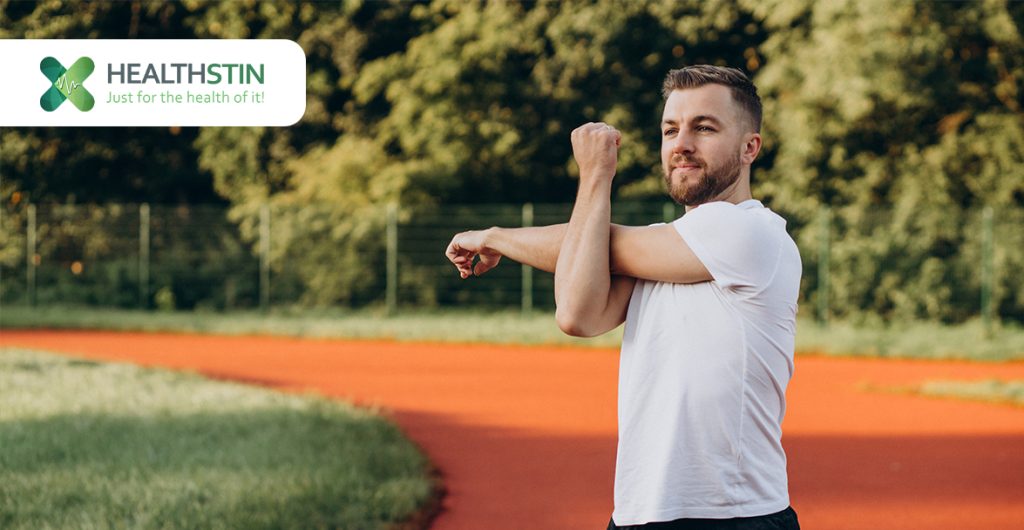
Types of health and wellbeing exercises
Health and wellbeing exercises encompass a wide range of activities aimed at promoting physical, mental, and emotional health. Here are some common types of exercises that can contribute to your overall health:
• Physical Exercise – This includes cardiovascular training to elevate your heart rate and improve cardiovascular health. Some good examples are running, walking, cycling, and swimming.
Another kind of physical exercise is strength training, which is done using free weights, machines, resistance bands, or body weight, aimed at building muscle strength and endurance. Flexibility and balance training are intended to enhance functional capacity and prevent falls-related injuries. Functional movement exercises mimic everyday movements.
• Mindfulness and relaxation techniques – Meditation may help reduce stress and cultivate an awareness of the present moment, while deep breathing exercises promote relaxation. Progressive muscle relaxation involves sequentially tensing and relaxing different muscle groups to relieve tension and induce a state of calm. Other mind-body exercises include yoga, Tai Chi, Qigong, and Pilates.
• Outdoor activities – There’s a wide variety of reasons to venture outdoors, enjoy the scenery, and reap the benefits of immersing in nature. These include activities such as hiking on nature trails, biking, and gardening.
• Social and emotional wellbeing practices – Participating in exercise classes can help motivate you to exercise regularly while fostering social interaction. On the other hand, volunteering can enhance community engagement and let you find purpose and fulfilment.
• Therapeutic activities – Hobbies such as crafting, painting, or playing a musical instrument can serve as an outlet for creativity as well as provide relief from stress.
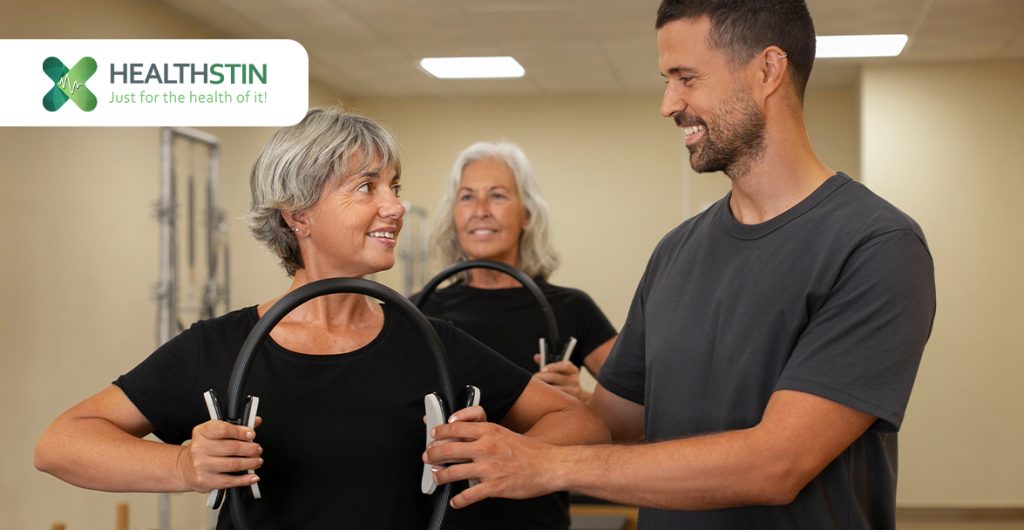
Why is an individualised approach essential?
While the need for movement is universal, every individual has different health conditions and needs. This is the reason why taking an individualised approach to creating and implementing an exercise program is crucial.
This is also why consulting with our Exercise Physiologists (EPs) at Healthstin is vital to achieving optimal results. Our EPs will first assess your health condition and then collaborate with you to design a program most suitable to your specific needs. Our EPs will consider important factors, including your age, fitness, functional capacity, mobility, and health concerns.
As consistency is crucial to achieving your health goals and compliance is an important factor, our EPs will also consider your preferences. This will help ensure your exercise program is fun and engaging, so you can stick with it for the long haul. Call Healthstin via 1300 090 931 or click this link now to talk to our EPs or book a session.
More Related Posts
How Diet and Exercise Improve Heart Health
Exercises for Enhancing the Lives of People with Learning Disabilities
At Home Exercises for Chronic Pain
Find Your Accredited Exercise Physiologist: Expert Care for Better Health
Do I Need To See an Exercise Physiologist or Physiotherapist?
Stress Management: How Regular Exercise Can Help
What Is an Exercise Physiologist? Your Guide to Expert Movement Therapy
NDIS Allied Health Services Near You: Expert Physiotherapy & Exercise Physiology Across Australia
What Are The Best Exercises to Lower Cholesterol?
Exercise and Ageing: How Physical Activity Can Help Maintain Independence





