Been spending more time on the road driving to and from work? You could listen to audiobooks while sitting for hours negotiating traffic! You’d learn something new, maybe even acquire a new language, in a time that otherwise would’ve gone to waste. Finding the gym too crowded lately? Maybe, it’s time to explore the trails and take up hiking or running. It’s free and you’ll be spending more time in nature while you hike as a bonus.
When life throws us a curveball, it’s up to us to rise to the occasion and find ways to work around the situation. At times, challenges can become an opportunity to explore alternatives, given the right attitude and perspective.
The same thing is true in the case of NDIS Participants who may have to wait for a minimum of six months before getting NDIS Occupational Therapy services. The challenge therefore for Support Coordinators and Participants is to make this period of waiting a productive time for their NDIS Participants.
How to make productive use of time spent waiting for NDIS Occupational Therapy services for NDIS Participants
A lot of things can happen in a span of half a year, more so if the waitlist gets extended. On the one hand, there’s a risk of the Participants losing focus on their health goals. On the other hand, there’s also a chance that the Participant’s well-being may regress. It becomes the prerogative of the Support Coordinator to adopt strategies to maintain or improve the Participant’s health in the interim. Here, we suggest a holistic approach that takes the Participant’s mental, physical, and emotional well-being into consideration and turns the period of waiting into a more productive time:
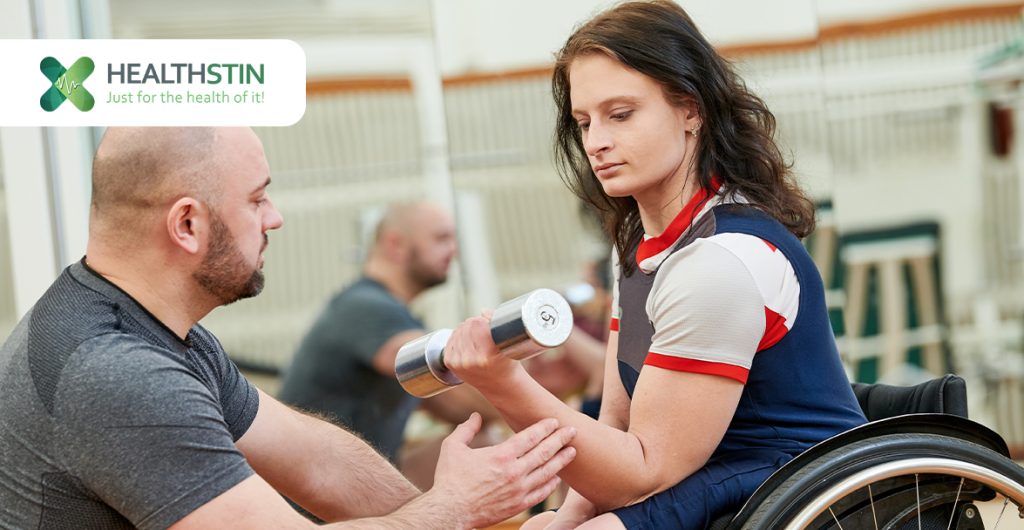
- Engage in regular physical activity – Encourage your Participants to consult with an NDIS Exercise Physiologist and collaborate in creating exercise programs that can enhance their health and functional movement for activities of daily living. Regular exercise has far-reaching effects beyond the physical, it can also help ease mental health conditions like depression and anxiety. Aim for a total of 150 minutes of moderate-intensity activity per week or 75 minutes for a vigorous one. Engaging in exercise can be a big help for Participants in maintaining or improving their functional abilities in preparation for their Occupational Therapy sessions.
- Adopt self-care strategies – Support Coordinators can motivate their Participants to take better care of themselves in a variety of ways that can boost their health and self-esteem as well as empower them to take charge of their well-being. Think of steps like eating a nutritious and well-balanced diet, hydrating properly, avoiding cigarettes and alcoholic drinks, practicing self-hygiene, de-stressing by practicing mindfulness and meditation, and getting enough rest and sleep. These may seem minor at the outset but remember that even little steps can add up.
- Go out in nature – there’s something in the natural world that relaxes the mind, enhances the feeling of well-being, and helps promote healing. Being out there in nature can also aid in recharging one’s energy and as research has revealed, enables people to better tolerate pain and overcome adverse effects of sickness. At times, you can even combine a physical activity with a dose of nature such as hiking in the woods, trail running, swimming on a beach, or kayaking.
- Find an outlet for creativity or engage in a hobby – Help your Participants explore and engage in recreational activities that they will find enjoyable, help them unwind, and stimulate their minds. Hobbies can also assist in building emotional, social, and physical skills. Reading a book, sketching or painting, taking up photography, tinkering in the garden, building crafts, or learning how to cook a new dish — the possibilities for taking up an pleasurable hobby can be truly endless.
- Connect and get emotional support – Connecting with family and friends as well as belonging to a community, whether virtually or in-person, can offer much-appreciate support to Participants. It also provides a venue for establishing connections and social interaction, sharing experiences and information with people they have something in common with, as well as empowering people living with disabilities to contribute and explore their interests.
- Explore other therapies – There are a lot of therapies that can serve as an adjunct to medical interventions to improve the health and well-being of Participants. Music therapy engages the senses — playing an instrument can help improve fine motor skills while stimulating the sense of hearing. Remedial massage therapy can aid in relieving chronic pain and enhancing mobility. Aromatherapy can assist in easing pain, boosting relaxation, and inducing sleep.

Consult Your NDIS Physiotherapist and Exercise Physiologist to Help Keep Your Participants Active
It bears repeating that encouraging your Participants to engage in physical activity is a top priority for any Support Coordinator who wants to make productive use of the time while waiting for an Occupational Therapist to become available. Your NDIS Physiotherapist and Exercise Physiologist can provide invaluable help in coming up with assessments and exercise treatment programs to maintain or improve your Participants’ health, such as assisting in helping them enhance their fine and motor skills so they would be able to do their activities of day-to-day living.
At Healthstin, our NDIS Physiotherapists and Exercise Physiologists will conduct individualised assessments first to know the health condition of your Participants before they are provided with a program specially customised to their needs. For the duration of their wait, our Allied Health Professionals will be there to guide and support them, assisting in the proper execution of the exercises, and fine-tuning and adjusting the treatment programs depending on the progress and condition of your Participants.
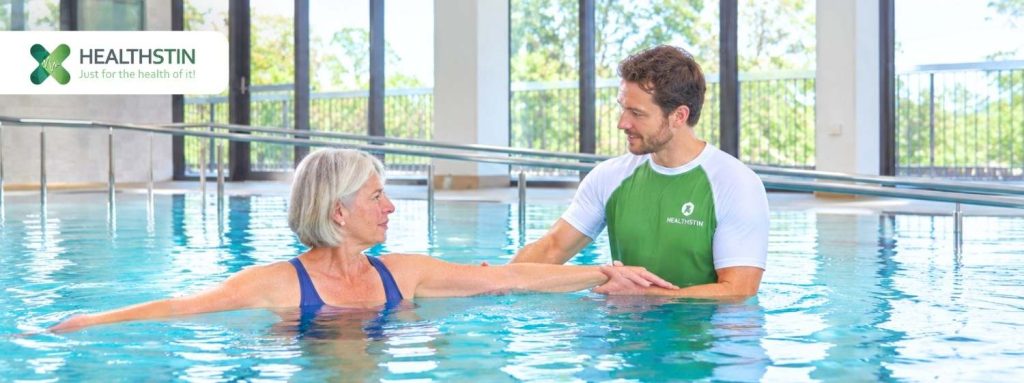
Healthstin also offers fully equipped venues for physical activities. Our Allied Health Clinic in Hurstville, like in our other locations, is furnished with both Hydrotherapy pools and gym space. This means your Participants can get a more holistic approach to therapy in just one place. Whether the treatment program involves land-based exercises like resistance classes or aquatics-based programs such as warm water exercises and hydrotherapy sessions, they don’t need to travel to get access to both. If you want to know more about us or book an appointment, call 1300 090 931 today.
Waiting for NDIS Occupational Therapy assessments and services can be transformed into an activity-filled time for your Participants, given the right stimuli and an array of interesting options to choose from. Instead of being a tedious period, it can turn into a productive time to maintain, or even improve their health in preparation for their OT appointments.
Found this post helpful? Follow our blog or subscribe to our social media accounts on Facebook or Instagram to get more useful health information.