What prevalent health condition keeps millions of Australians from engaging in social, occupational, and community activities each year? What affliction costs billions in lost productivity as well as increasing healthcare expenses annually? What disease is the second most common cause of early retirement in Australia? If you said arthritis, you’re absolutely correct. An umbrella term used to describe a wide variety of inflammatory conditions that affect the bones, muscles, joints, and surrounding tissues, arthritis affects people of all ages, from babies to the elderly.
The most prevalent types of arthritis include osteoarthritis, rheumatoid arthritis, gout, and fibromyalgia. The symptoms vary according to the type but usually involve stiffness and pain, with 1 out of 2 Australians with the condition reporting moderate to severe pain.

Osteoarthritis is the most common form of arthritis, affecting 2.2 million Australians. It is a degenerative disease where the cushions between the bones wear out, usually resulting from the use of the joints over time. It affects the neck, lower back, hands, knees, hips, and feet. Rheumatoid arthritis, on the other hand, affects close to half a million Australians. This autoimmune and inflammatory disease occurs when the immune system attacks healthy cells, usually in the joints, by mistake. Rheumatoid arthritis affects the hands, knees, and feet, causing inflammation, joint damage, unsteadiness, and deformity.
Arthritis has very profound impacts on one’s overall feeling of health as well as imposing physical limitations on how you live your life. It can be frustrating to find out that even the simplest of tasks like taking a bath, fixing your meals, dressing up, or even sleeping can turn into a challenging ordeal. It’s no surprise then to know that being diagnosed with this progressive condition can lead to psychological distress such as depression and anxiety.
There is no cure for arthritis at present. While osteoarthritis is usually caused by ageing, it can also be due to other factors like being overweight, inactivity, a joint injury, or the repetitive use of a joint. The method of treatment consists of managing the symptoms to maximise one’s quality of life. Apart from being prescribed medication to ease swelling and inflammation, eating a healthy diet, losing excess weight, and making lifestyle changes, health experts recommend exercise to help manage arthritis symptoms.

Can Water Exercise make arthritis worse?
One question in people’s minds is why even bother exercising when arthritis renders movement difficult and painful in the first place. Another lingering thought is wouldn’t physical activity make the condition even worse? It may seem ironic but physical activity may actually help improve joint function. Going the sedentary and inactive route isn’t a failsafe road to take if you’re arthritic. The less you move, the stiffer your joints may get. Stiff and painful joints can also put you at a higher risk of falling and getting fractures. Conversely, the right kind of exercise can be very beneficial. It may help make your muscles and tissues stronger to provide stronger support and protection for your joints.
Exercise in water – your joints will thank you for it
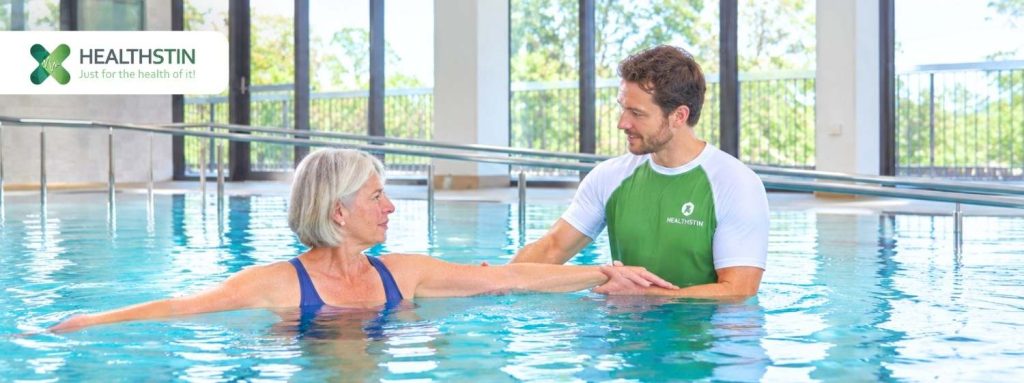
Water aerobics, exercising in water, and hydrotherapy are physical activities you can take up which may help relieve your arthritis pain and stiffness while helping cushion the impact of exercising on your joints. Water exercises for arthritis and therapy in the pool take the weight off your joints while providing resistance that challenges and strengthens your muscles. The buoyancy also facilitates stretching and easier movement. Exercising in water may also increase your range of motion and function.
What other physical activities can help?
Low-impact exercise is the way to go. Walking is a good activity for people with arthritis. Low-impact aerobics is another excellent exercise. Just remember to choose a softer surface to walk or tread on such as grass or earth, as these are gentler on your joints than pavement, asphalt, or concrete. You can also ride the stationary bike at a moderate pace. Start slow and work up to around 150 minutes of low-impact physical activity a week. If it’s kinder to your joints, you can even break down your activity into 10 to 15-minutes segments.
What exercises should you avoid?
High-impact exercises are sometimes a no-no for those diagnosed with arthritis. For some, they may be advised to avoid exercises that require them to lift both of your feet off the ground such as jogging, running, high-impact aerobics, and jump rope. While gentle yoga moves can help, Bikram or hot yoga may not as be recommended for some as the heat can cause swelling of the joints.
Top tip: Always protect your joints
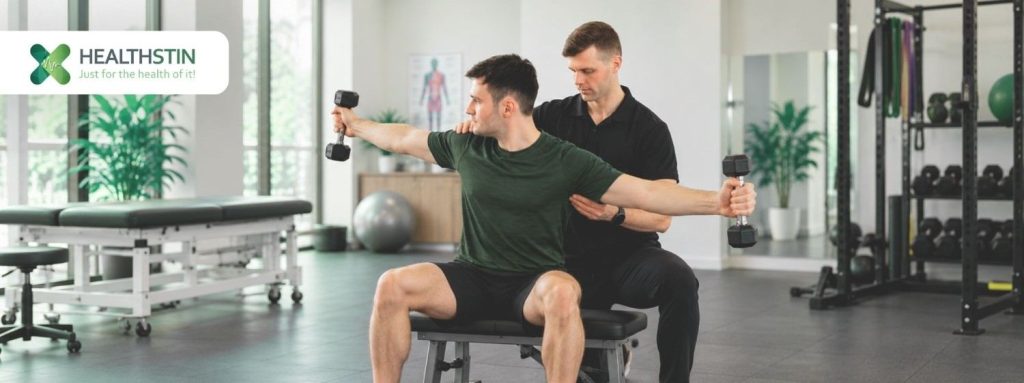
You can protect your joints by avoiding sudden and jarring movements, exercising on a flat surface, observing correct posture while exercising, and wearing supportive footwear and orthotics. It’s best to start slowly and ease into your routine – the last thing you want is to further aggravate your condition and miss out on exercising altogether. An Exercise Physiologist and Physiotherapist can customise a treatment plan for your condition, so you get results safely and effectively. Always keep this in mind – exercise can be beneficial without hurting your joints.

A Holistic Approach to Therapy
Being diagnosed with arthritis can be a debilitating experience that can rob you of the ability to enjoy even the simple things you love doing. Like the freedom to move around on your own. The ability to do the things that bring you joy. Or enjoy the hobbies you are passionate about. Engaging in low-impact exercises like Hydrotherapy and getting guidance from expert Exercise Physiologists and Physiotherapists can go a long way toward gaining your ability to move and function better, and in the bigger scheme of things, provide you a route toward achieving a better quality of life.
Healthstin has both hydrotherapy pools and gym spaces in all its Allied Health Clinic locations to provide you with a more holistic approach to therapy. As an excellent example, the swimming pool in Hurstville is a good venue for water aerobics, water exercises, and hydrotherapy for those with arthritis. Our Exercise Physiologists and Physiotherapists are always on-hand to provide you with a customised treatment plan suited to your condition, ensuring that the physical activities you undertake will be both effective and safe. To know more about us or to book a session, reach us at 1300 090 931 now.