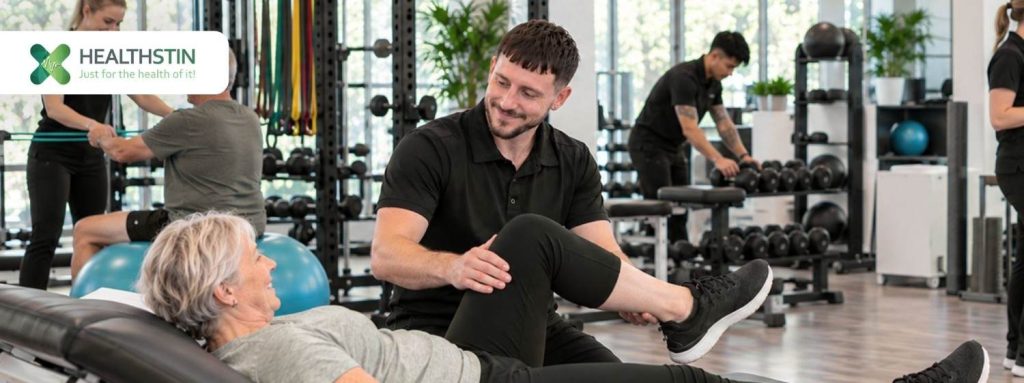
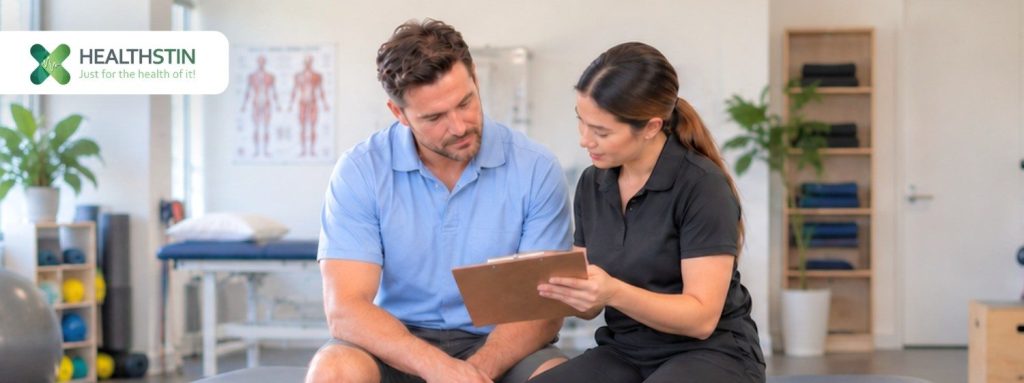
Every year, Australians have 23 million consultations with a Physiotherapist. Estimates from the healthcare sector report that this figure includes around 12 million Physiotherapy services provided annually under private health insurance and some 2.9 million more under the Medical Benefits Schedule (MBS).
It does not come as a surprise then to note that Physiotherapists comprise the fourth largest group of registered primary health care professionals in Australia as these experts work in various settings such as hospitals, community health centres, universities, and private practices. They carry out a myriad of tasks that include assessment, diagnosis, treatment, and working towards injury, disease, and disability prevention and rehabilitation using evidence-based interventions. Physiotherapists also form part of multidisciplinary teams that help contribute to improving healthcare delivery as well as enhancing the health status of individuals at all stages of life.
Some of the most recognisable roles of Physiotherapists involve the treatment of musculoskeletal and chronic conditions, two of the most prevalent factors that drive the demand for growth in the demand for Physiotherapy services which also include an ageing population and continued population growth. Physiotherapy serves a variety of purposes – cost-efficient and effective treatment for clinical indications; as an alternative to interventions, for example, surgery for osteoarthritis; and as a complementary therapy for pre-and post-surgery therapy.
Barriers to access to Physiotherapy treatments
Given its importance in addressing injury rehabilitation as well as the treatment of chronic conditions, there are still barriers to accessing Physiotherapy services at present.
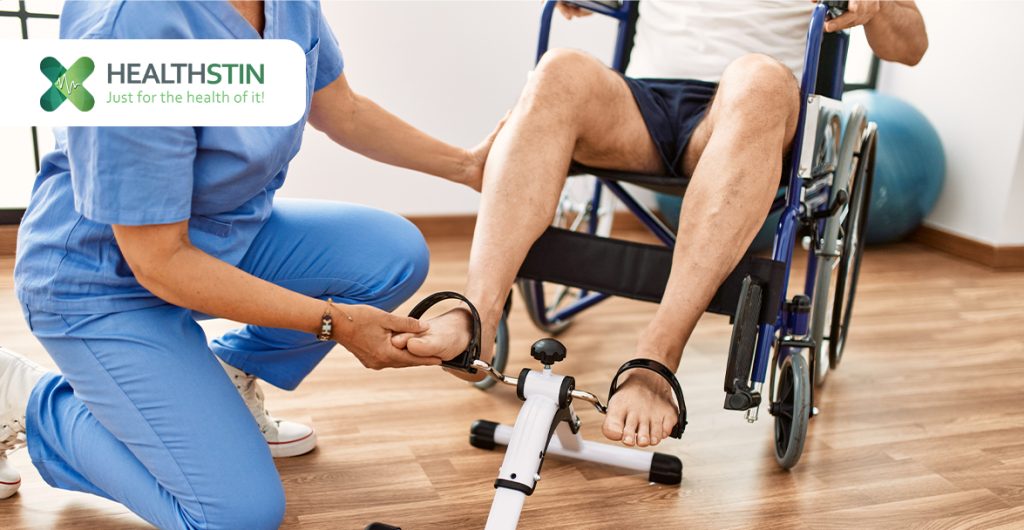
For injured patients, there’s an obvious lack of mobility. Other factors include distance to the health clinic or facility, logistical ability like access to childcare, and the length and frequency of Physiotherapy sessions.
Distance to the nearest facility is crucial as this necessitates having to plan for transport and allocating time to travel to and from home. On the other hand, childcare availability is necessary for patients who have children and require someone to look after them while the patient is receiving treatment.
Overcoming the barriers to adherence to Physiotherapy treatments
One way to mitigate the abovementioned barriers is through Physio home visits. Receiving Physiotherapy services at home can also address some of the hurdles to following Physiotherapy recommended treatments such as self-management strategies that the patients must accomplish on their own to get back on their journey to recovery and better health.

What are the advantages of a Physio Home Visit?
Getting your Physiotherapy right at home has its own set of advantages:
- Convenience – if you’re recovering from an injury, the last thing on your mind may be travelling, lining up, and waiting to get rehab services. Getting a Physio home visit lets you skip the long lines and waitlists.
- Cost and time savings – not having to travel to a clinic or hospital facility may be less costly and timesaving. Patients with children may be more inclined to undertake sessions that may last longer than in-clinic appointments since they’re right at home anyway.
- Training in the comfort of your home – receiving treatment at home can help you be more confident of your abilities, less anxious and conscious of your appearance or exercise execution, and more comfortable with receiving treatment.
- Personalised service and support – having a Physiotherapist visit you at home may help clarify some issues which may not be apparent in an in-clinic consultation. Some examples could be finding the reasons for a persistent knee problem due to the use of uneven stairs at home, or a chronic back condition arising from a home office setup with chairs that do not offer good ergonomics. Your Physiotherapist may also offer you advice on how to make your home a safer environment.
- Supervision and monitoring – having your Physiotherapist by your side as you train to guide you in the proper execution of rehabilitation exercises as well as providing support and motivation can go a long way toward exercise adherence in the long term. Your Physiotherapist can also adjust or modify your program to address issues such as pain or discomfort when performing some movements.
How effective are home-based rehabilitation programs? Some studies show that home-based rehabilitation (HBR) can be an effective intervention for patients with knee replacements, stroke survivors, as well as those with neuromuscular conditions. Physiotherapy home visits also offer a more immediate intervention and can spell a big difference for patients whose conditions may worsen if they’re made to wait, line up, or get onto long waitlists in a hospital setting.

In-Clinic or Home Visits?
At Healthstin, our Allied Health Clinic in Elizabeth offers Physiotherapy, Exercise Physiology, and Occupational Therapy in both in-clinic and home visit settings. In-clinic, we offer both land-based and aquatic-based rehabilitation training complemented by our well-equipped and inclusive gym space and our hydrotherapy pool.
For Physiotherapy home visits, our experts can come to your home or a nearby community centre facility or pool to conduct an assessment and collaborate with you on an appropriate treatment program tailored to your individual rehabilitation needs. To know more or if you want to book a home visit, call 1300 090 931 today.
If for some reason or another, you can’t come to our Allied Health clinic, it’s good to know that you can get the same high-quality Physiotherapy service right where you live. You’ll be receiving treatment right at home, and you don’t have to miss sessions just because life gets in the way of your rehabilitation program. Adherence to a regular treatment session may be able to let you recover faster from your injury and get back on track to better health sooner.
Liked or found this post informative? Please follow our blog or subscribe to our social media accounts on Facebook or Instagram so you can receive regular updates on health information.