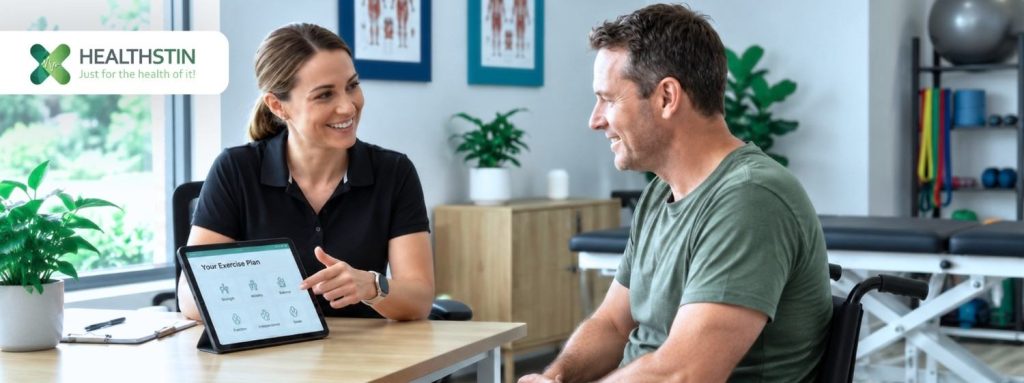
Following an injury or serious illness, you may need extra support to recover and get back your mobility and functional ability — this is the reason why rehabilitation is vital. The World Health Organisation (WHO) states that rehab can reduce the impact of diseases, illnesses, or injuries, as well as complement medical and surgical interventions in helping facilitate recovery and achieve optimal outcomes. Global estimates suggest that 1 in every 3 persons will need rehabilitation services in their lifetime.
Rehabilitation is deemed so important to health and wellbeing that the WHO passed the landmark resolution on strengthening rehabilitation in health systems during the 76th World Health Assembly in May of 2023. The resolution seeks to expand and include rehabilitation in health systems and emphasizes it as part of primary healthcare as part of emergency preparedness and response.
What are the 4 types of rehabilitation?
There are various types of rehabilitation aimed at addressing specific needs and conditions. These include:
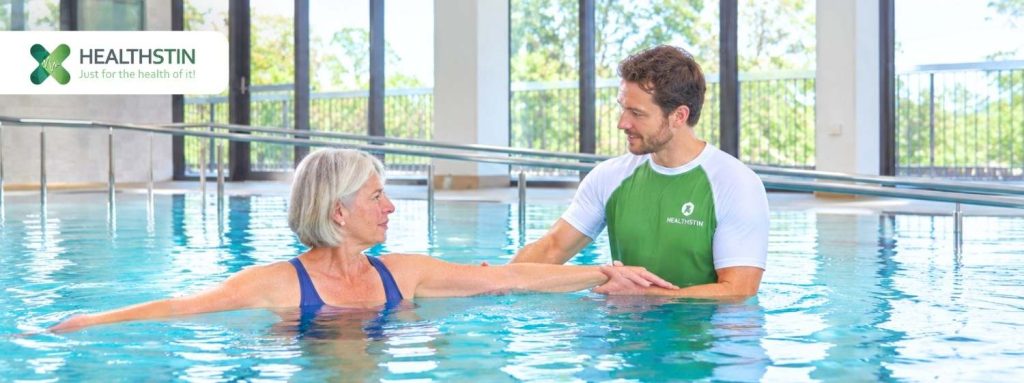
- Physiotherapy – Focuses on restoring functional capacity, mobility, and strength. Physiotherapy is utilised to support individuals recovering from injuries, chronic illness, surgery, or in the prevention of injuries. Its benefits include boosted mobility, enhanced strength, and faster recovery. Physiotherapy can include Hydrotherapy or aquatic therapy where therapy is conducted in a pool setting that is conducive to exercising without the strain of land-based training.
- Occupational Therapy – Focuses on improving the patient’s ability to perform daily activities and participate in meaningful occupations. Occupational therapists work with individuals of all ages to address physical, cognitive, and psychosocial challenges. Its benefits include enhanced mobility, independence, and recovery.
- Speech Therapy – Addresses communication and swallowing disorders, helping individuals regain or improve speech, language, and swallowing function. Speech therapists, also known as speech pathologists, play a vital role in supporting people with conditions such as stroke, traumatic brain injury, and developmental delays. The benefits of speech therapy include improved communication skills, cognitive function, swallowing function, and enhanced self-confidence.
- Cardiac Rehabilitation – Targets individuals with heart disease or cardiac events, cardiac rehabilitation aims to improve cardiovascular health, reduce risk factors, and enhance overall wellbeing. Cardiac rehabilitation programs typically include exercise training, education, and lifestyle modification interventions.

The role of Physiotherapy in rehabilitation
Physiotherapy plays a key role in rehabilitation and recovery. As experts in the realm of human movement, Physiotherapists are tasked with preventing, identifying, assessing, treating, and rehabilitating people when function and movement are impacted by illness, injury, ageing, or environmental factors.
Physiotherapists support individuals of all ages and functional capacities through:
- Recovery from injury or illness
- Reduction and management of pain
- Increase of mobility and functional ability, and
- Enhancement of quality of life by promoting physical, emotional, social, and psychological wellbeing.
What are the stages of rehabilitation in Physiotherapy?
Physiotherapy rehabilitation may be comprised of the following stages or phases:
1/ Assessment and diagnosis
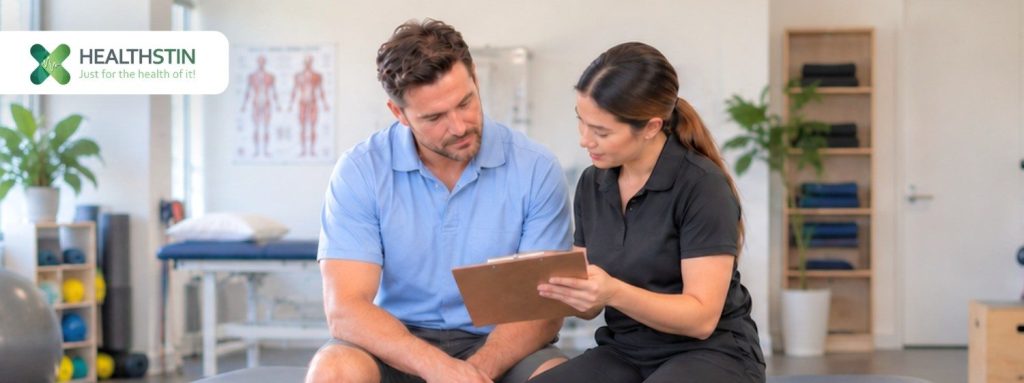
The initial stage of Physiotherapy rehabilitation involves a comprehensive assessment of your condition. Physiotherapists typically conduct thorough evaluations to diagnose the nature and severity of your injury or impairment. This assessment may include analysing movement patterns, assessing strength and flexibility, and identifying any underlying factors contributing to the condition.
The information gathered during this stage guides the development of a personalised rehabilitation plan tailored to your individual needs.
2/ Planning of your treatment
Once your assessment is complete, your Physiotherapist will collaborate with you in creating a customised treatment plan. This plan outlines specific goals for rehabilitation, considering the patient’s functional abilities, lifestyle, and preferences.
At Healthstin, our Physiotherapists employ evidence-based practices to design effective treatment strategies that may include exercises, manual therapy techniques, modalities like heat or ice therapy, and education on self-care practices. The treatment plan serves as a roadmap for guiding the rehabilitation process toward optimal outcomes.
3/ Treatment: Helping you recover strength and function
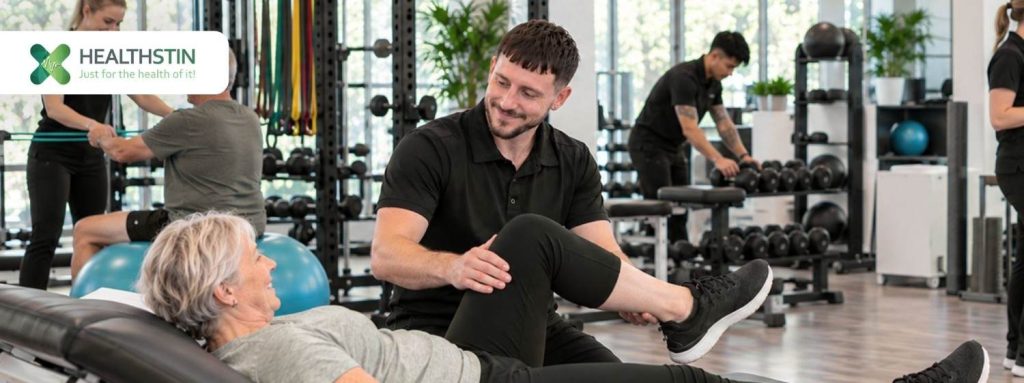
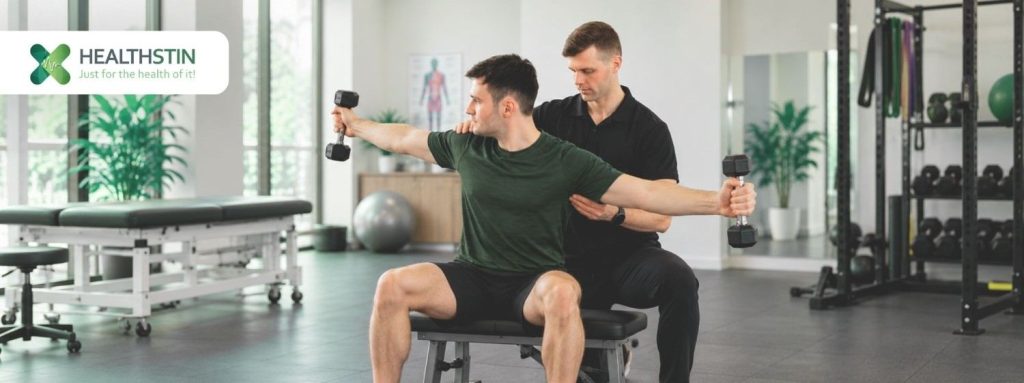
During this stage, you actively participate in carrying out the prescribed treatment plan under the guidance of your Physiotherapist. Depending on your needs and goals, rehabilitation sessions may involve a combination of therapeutic exercises, hands-on therapy, and instruction on proper movement mechanics.
Our Physiotherapists focus on empowering you to take an active role in your recovery, providing support, encouragement, and education throughout the process. The emphasis is on gradually restoring function, reducing pain, and improving mobility and strength.
4/ Evaluation and tracking of your progress
Continuous evaluation and keeping track of progress are integral components of physiotherapy rehabilitation. Physiotherapists regularly assess the patient’s progress, monitoring changes in functional status, pain levels, and overall well-being. Outcome measures such as the Numeric Pain Rating Scale and various functional assessments are commonly used to track progress objectively.
Based on the evaluation findings, the treatment plan may be adjusted as necessary to address emerging needs, optimise outcomes, and maintain motivation. The goal is to help the patient regain maximum function and independence while minimising the risk of recurrence or complications.
When does rehabilitation start?
Rehabilitation often begins as soon as possible following an injury or medical event. In many cases, it starts during the acute phase of treatment, alongside medical interventions aimed at stabilising the condition.
For example, following surgery, Physiotherapy may commence shortly afterwards to prevent complications such as muscle atrophy, joint stiffness, or loss of function. Early intervention not only promotes faster recovery but also helps in preventing secondary issues from arising.
Call us if you’re asking, “Is there an expert rehab clinic near me?”
Are you ready to embark on your rehabilitation journey and seek guidance to navigate your recovery? It’s essential to seek professional guidance from qualified healthcare providers such as well-trained and experienced Physiotherapists. Whether you’re recovering from an injury, managing a chronic condition, or simply striving to improve your overall health and wellbeing, rehabilitation using Physiotherapy offers individualised care customised to your goals and condition.
At Healthstin, we have six Allied Health Clinic locations to serve your rehabilitation needs. Our Physiotherapists are always ready to support your rehabilitation and are just a call away. Reach out to us via 1300 090 931 or click this link to book a session today.