Tradies, the colloquial term for tradespeople in Australia, may comprise 15.2% of the total employed Australian workforce reaching an all-time high in May 2024, with 1,996,141 people employed as tradies. However, they account for more than half of the total in serious claims for workers’ compensation – a whopping 58%.
Tradies play a crucial role in the country’s economy and society. Their skills are valuable and essential to various industries which include construction, manufacturing, maintenance, and mining. They are pivotal in maintaining infrastructure such as homes, commercial buildings, roads, and public facilities. Tradies also help maintain the wellbeing of local communities by providing much-needed services such as plumbing, carpentry, and electrical work.
The nature of their work is demanding and often physically intense, making their health and safety of paramount importance. In this post, we will explore the reasons why maintaining good health is essential for tradies, discuss the most common injuries they face, and how Physiotherapy can help them stay in top shape and in good health.
Why is Tradies’ Health Important?
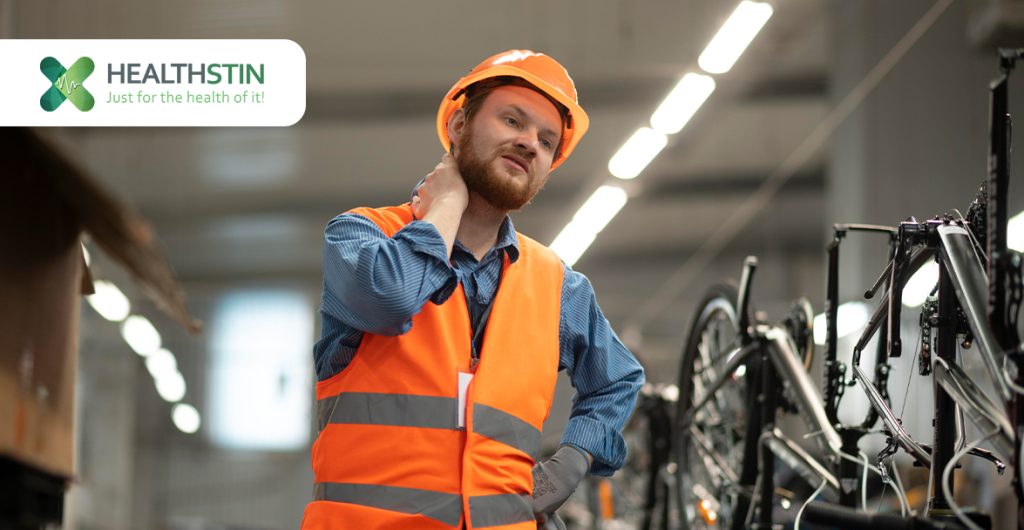
Tradies are exposed to various physical strains and stresses on the job. Their bodies endure significant wear and tear when lifting heavy materials, working in awkward positions, or operating heavy machinery.
Maintaining good health is essential not just for personal wellbeing but also for job efficiency and safety. Poor health can lead to decreased productivity, a higher risk of injury, and even long-term disabilities. Prioritising health can help tradies stay productive, avoid absenteeism, and sustain their careers for the long haul.
What are the most common injuries for tradies?
Tradies are prone to several common injuries due to the nature of their work. Understanding these injuries can help in prevention and proper treatment. Body stressing, a collective term covering a broad range of health conditions linked with strenuous or repetitive work, is the leading cause of serious claims for workplace injuries, according to SafeWork Australia. Here are their other common injuries:
- Back injuries
One of the most frequent issues, back injuries often result from heavy lifting, awkward postures, and repetitive strain. The risk of developing chronic back pain or herniated discs is high if proper lifting techniques are not followed.
- Knee and shoulder injuries
Kneeling, crouching, and climbing can lead to knee pain or injuries. Similarly, shoulder strains can occur from lifting overhead or using tools that require repetitive arm movements.
- Repetitive strain injuries (RSIs)
Activities involving repetitive movements, like using hand tools or operating machinery, can lead to RSIs such as tendinitis or carpal tunnel syndrome.
- Sprains and strains
These injuries are common due to sudden movements or accidents. They can affect various parts of the body, including the wrists, ankles, and shoulders.
- Joint injuries
Frequent bending and twisting can stress joints, leading to conditions such as bursitis or joint inflammation.
- Work-related stress
The physical demands of the job can also contribute to stress-related issues, affecting overall health and wellbeing.
Work Safe Tradies: Tips for injury prevention
Preventing injuries is key to maintaining health and ensuring longevity in the trade. Here are some tips for staying safe on the job:
- Observe proper lifting techniques — Always use the legs, not the back, to lift heavy objects. Keep the load close to the body and avoid twisting while lifting.
- Use ergonomic tools — Opt for tools and equipment designed to reduce strain. Ergonomic handles and adjustable tools can minimise physical stress.
- Take regular breaks — Avoid overexertion by taking regular breaks. Stretching and moving around can help reduce muscle tension and fatigue.
- Maintain good posture — Pay attention to body posture while working. Use supportive equipment and adjust workstations to prevent awkward positions.
- Wear protective gear — Use appropriate safety gear such as knee pads, gloves, and supportive footwear to protect against injuries.
- Stay fit – Regular exercise can enhance overall physical condition, making the body more resilient to the demands of the job.
How Physio can help tradies be strong and healthy
The Australian Physiotherapy Association (APA) identified six reasons how Physiotherapy can help tradies improve their health and wellbeing:
1/ Work safer and smarter to prolong their careers
As experts in the function of muscles, joints, bones, and ligaments, Physiotherapists can offer guidance on risk assessments and safety protocols to help prevent the occurrence of musculoskeletal injuries.
2/ Help tradies act early on their low back pain
Physiotherapists can help keep low back pain from progressing into a chronic condition through a range of interventions such as tailored exercise programs and guidance.
3/ Get tradies to be more active
Physiotherapists can assess your abilities, create workarounds in your busy work schedule, and tailor an appropriate exercise program to keep you healthy.
4/ Help make necessary changes in the way tradies work
As bodies change with advancing age, adjusting how to do tasks is vital to sustaining one’s career over the long term. Physiotherapists can help tradies make the necessary adjustments such as changing the way of handling tools or using implements at work.
5/ Assess vehicle ergonomics to keep tradies driving for a long time
Physiotherapists can help tradies address poor posture and incorrect seating as well as mitigate the risks of constant vibrations when driving a vehicle to job sites.
6/ Assist in helping tradies sleep longer
Tradies may get less sleep compared to other professions, especially shift workers. This may lead to sleep disorders and increased rates of injury. Physiotherapists can offer advice as well as treatment to improve sleep quality and length.
Looking for the best Physio for tradies?
For tradies who want to prevent or rehabilitate an injury, seeing a Physiotherapist who understands the unique demands of trade work is crucial. Here are the things tradies should look for in a Physiotherapist:
- Specialisation — Look for a Physiotherapist with experience in treating trade-related injuries. They should understand the physical demands of the job and be familiar with the common injuries tradies face.
- Personalised treatment plans — The best Physiotherapists provide individualised treatment plans tailored to the specific needs of the tradie. This might include exercises, manual therapy, and advice on job-specific modifications.
- Preventative care — A good Physiotherapist will focus not just on treating injuries but also on preventing them. They can offer guidance on posture, ergonomics, and exercises to enhance overall resilience.
- Education and advice — Look for a best Physio who educates clients on injury prevention and provides practical advice for managing physical stress.
- Use a holistic approach — A holistic approach to treatment that includes addressing muscle imbalances, improving flexibility, and strengthening core stability can be very beneficial.
- Convenient location and hours — Tradies often have busy schedules, so finding a Physiotherapist with convenient office hours or the option for on-site visits can be advantageous.
Our Team of Physiotherapists are ready to support you
For tradies, staying healthy is not just about personal well-being but also about maintaining job performance and safety. By understanding the common injuries associated with trade work and taking steps to prevent them, tradies can ensure they remain effective and productive. Physiotherapy plays a vital role in both treating and preventing injuries, helping tradies stay in peak condition and continue to excel in their essential roles.
At Healthstin, our Physiotherapists are ready to support the health of tradies. If you or someone you know is a tradie in need of Physiotherapy, you’ll be glad to know that our Allied Health services can be covered by Workers’ Compensation.
Call 1300 090 931 or click this link now for more info or to book a consultation.