Navigating the NDIS can feel overwhelming, especially when you or a loved one has an intellectual disability and you’re unsure what supports are available. This NDIS Intellectual Disability guide is designed to break things down simply, so families, carers, and Participants can understand how the NDIS works, what it covers, and how it can make a difference in everyday life. From explaining what intellectual disability means under the NDIS, to outlining eligibility requirements and the type of funded supports you may be able to access, this guide aims to give you clear information you can use. Whether you’re just starting your application or looking to make the most of your plan, you’ll find practical insights here to support your journey.
Understanding Intellectual Disability and the NDIS
An intellectual disability is a lifelong condition that affects a person’s learning, problem-solving, and adaptive skills. This can make everyday tasks such as communication, self-care, or navigating social situations more challenging. The National Disability Insurance Scheme (NDIS) recognises intellectual disability as a primary disability category, offering funded supports to help Participants improve their independence, wellbeing, and quality of life.
Is Intellectual Disability Covered by the NDIS?
Yes. The NDIS provides support for people with an intellectual disability if it is permanent, significantly impacts daily living, and requires ongoing assistance. Supports may include:
- Capacity building therapies (Exercise Physiology, Physiotherapy, Psychology, Occupational Therapy, Speech Pathology).
- Core supports for daily living, transport, and personal care.
- Community participation programmes to build confidence and independence.
At Healthstin, our Allied Health clinicians specialise in designing personalised programmes for people with intellectual disabilities – helping Participants not just access support but achieve real, measurable outcomes.
NDIS Intellectual Disability Eligibility Criteria
To qualify under the NDIS for intellectual disability support, applicants must demonstrate:
- Permanent impairment that significantly impacts daily functioning.
- Substantial support needs across areas like communication, learning, mobility, or self-care.
- Medical or diagnostic reports confirming the condition.
Tip: Having strong supporting evidence such as specialist assessments and reports from Allied Health professionals can strengthen your application.
Types of NDIS Supports Available for Intellectual Disability
The NDIS offers a range of supports to help people with intellectual disability build skills, increase independence, and take part in everyday life. These supports are designed to be flexible, so they can be tailored to meet individual needs, goals, and circumstances. Broadly, they fall into three key areas: Capacity Building, which focuses on therapies and skill development; Core Supports, which provide practical help with daily living; and Social & Community Participation, which encourages inclusion, confidence, and connection with others.
Capacity Building Supports
- Exercise Physiology: Improves mobility, fitness, and independence.
- Physiotherapy: Reduces pain and builds movement confidence.
- Psychology: Supports emotional wellbeing and behavioural strategies.
- Occupational Therapy: Builds everyday life skills.
- Speech Therapy: Enhances communication and social engagement.
Core Supports
- Daily activities (personal care, meals, dressing)
- Transport and community access
- Consumables and assistive products
Social & Community Participation
- Skills programmes for confidence and independence
- Group activities that encourage inclusion
How Healthstin Supports People with Intellectual Disabilities
At Healthstin, we understand that every Participant has unique goals and challenges. Our clinician-led programmes are designed to help you:
- Move better and with less pain.
- Build confidence and independence.
- Access therapies that are evidence-based and outcome-driven.
Here’s why families, carers, and participants choose Healthstin: Every Participant and their family want to feel confident that their therapy is making a real difference. At Healthstin, our focus is on helping you work toward what matters most in your life, whether that’s moving more freely, building confidence, or enjoying greater independence. Here’s how we support you along the way:
Working Towards Your Goals
We listen to what’s most important to you and design therapy programmes that support your mobility, wellbeing, and independence so you can take steps toward living life your way.
Support You Can Trust
Our clinicians bring experience, compassion, and evidence-based practice to every session. With consistent support, you’ll have a greater chance of achieving meaningful outcomes.
Getting Started Without the Wait
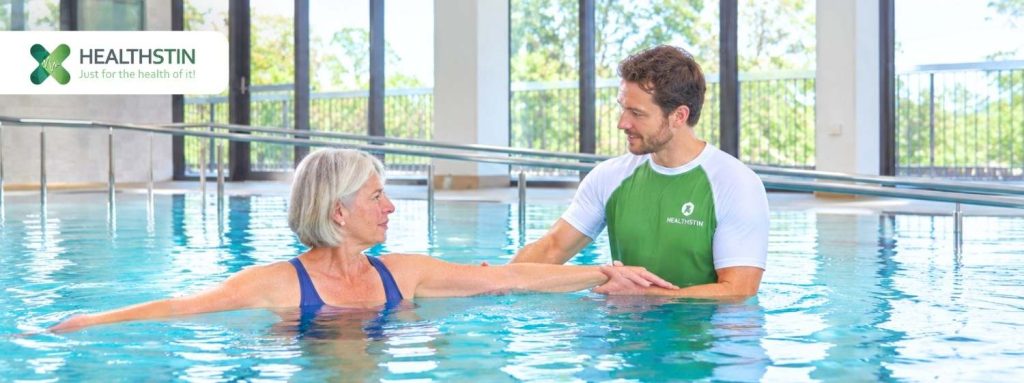
We understand that waiting can be frustrating. That’s why we aim to get your therapy started quickly, usually within a week, so you can begin making progress sooner. This way, you can also make improvements sooner. Combining the expertise of our clinicians with land + water-based therapies has enabled most of our Participants experience noticeable improvements in their health in as little as 4-6 weeks.
Making the Process Easier
We take care of the details, whether that’s managing paperwork, coordinating services, or ensuring you work with the same clinician who understands your journey from the beginning. This way, you and your family can focus on what really matters: your progress and wellbeing.
Step-by-Step: How to Apply for NDIS Intellectual Disability Supports
Applying for NDIS intellectual disability supports can feel overwhelming, but following the right steps can simplify the process.
Step 1 – Check eligibility via the NDIS access checklist.
Step 2 – Gather supporting evidence (diagnostic reports, Allied Health assessments).
Step 3 – Submit your NDIS access request form.
Step 4 – Work with your planner/Local Area Coordinator (LAC) to build your plan.
Step 5 – Choose your provider, like Healthstin, for therapies that align with your goals.
Need help with evidence reports or functional assessments? Our team at Healthstin regularly assists Participants in preparing strong supporting documentation.
NDIS Intellectual Disability in NSW, VIC, SA, and WA
Healthstin proudly delivers services across multiple states, helping Participants access high-quality support close to home:
- Sans Souci, NSW – Supporting southern Sydney residents
- Hurstville, New South Wales (NSW) – Conveniently located for serving the St George community
- Salisbury & Elizabeth, South Australia (SA) – Accessible for Adelaide’s northern suburbs
- Brimbank & Melton, Victoria (VIC) – Supporting communities in Melbourne’s west
- Belmont, Western Australia (WA) – Expanding to meet growing local demand
Why Choose Healthstin as Your NDIS Intellectual Disability Provider?
- Personalised programmes tailored to each participant’s needs.
- Clinician-matched support for continuity and consistency.
- Evidence-based therapies with measurable results.
- Friendly, supportive environment designed to make progress enjoyable.
Take the Next Step with Healthstin
Your journey with the NDIS should be empowering, not overwhelming. At Healthstin, we’re here to make sure you get the right supports, at the right time, with the right team by your side.
FAQs about NDIS Intellectual Disability
Q: Is intellectual disability automatically covered by the NDIS?
A: Yes, it’s a primary disability category, but eligibility still requires proof of significant functional impact.
Q: Does intellectual disability qualify for NDIS?
A: Yes. Intellectual disability is recognised under the NDIS as a primary disability that can qualify a person for support, provided certain criteria are met. To be eligible, the disability must be permanent/likely to be lifelong and result in significant difficulties with everyday activities such as communication, learning, self-care, or social interaction. When applying, the NDIS usually requires evidence such as medical reports, cognitive assessments, or documentation from health professionals that confirm both the diagnosis and the level of functional impact. If approved, the NDIS can provide funding for supports and services that help build independence, improve daily living skills, and increase community participation.
Q: What evidence do I need for NDIS intellectual disability funding?
A: Medical reports, psychologist/clinician assessments, and functional evidence of daily living impacts.
Q: How soon can I start therapy with Healthstin?
A: You can start in under 7 days, with improvements typically seen in 4-6 weeks.
Book Your FREE Consultation with Healthstin Today and Start Your NDIS Intellectual Disability Support Service Journey with Confidence. See Real Results in Just 4-6 Weeks
Still searching for the right NDIS Intellectual Disability support? Let Healthstin guide you through every step, from understanding eligibility to delivering therapies that make a real difference. Regain movement, confidence, and independence with NDIS-approved EP & Physio programmes matched to your condition. Start within 7 days at our pool and gym-equipped clinics, with over $150 in free inclusions every session with no extra fees and no admin headaches. Call 1300 090 931 or book online today to start your personalised NDIS Intellectual Disability programme within 7 days – no waitlists, all admin handled.