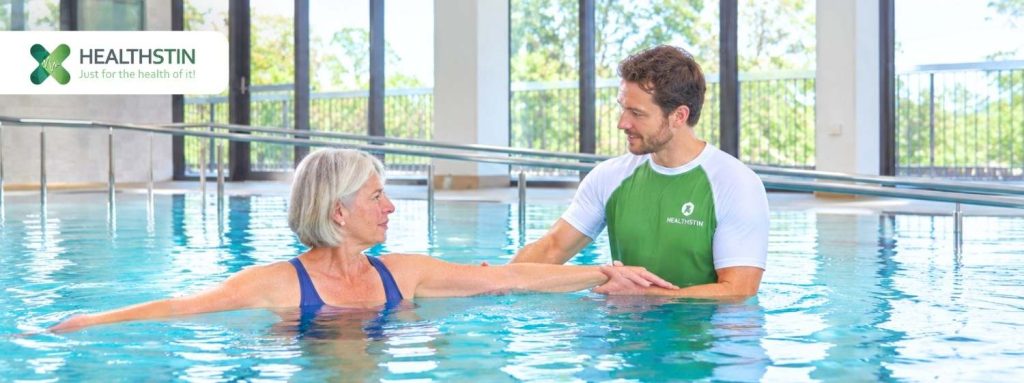
Are you searching for physiotherapy jobs in Australia? Now is a good time to begin your career. Physiotherapists are needed in hospitals, private clinics, community health, aged care, and disability services, so there are roles for both new graduates and experienced professionals. If you want to work in Australia, knowing the registration process, job requirements, and where to find jobs will help make your search easier. This guide will take you through each step so you can apply confidently and find a job that matches your skills and career goals.
How to Get Your Qualifications Assessed
If you want to work as a physiotherapist in Australia, you first need to have your qualifications assessed and meet the country’s registration requirements. For those trained overseas, this process begins with the Australian Physiotherapy Council (APC).
Apply Through the Australian Physiotherapy Council (APC)
The Australian Physiotherapy Council (APC) reviews overseas physiotherapy qualifications to see if they meet Australian entry-level standards. You will need to submit documents about your qualifications, identity, and work history. The APC will then decide which assessment pathway fits your background.
Complete the Assessment Pathway That Applies to You
The APC has several assessment pathways, depending on your qualifications and eligibility.
For many internationally trained physiotherapists, the main option is the Australian Physiotherapy Entry Pathway (APEP). This pathway may include steps like an Eligibility Assessment, Cultural Safety Training, written and practical exams, and a clinical workshop.
Some people may qualify for the Express FLYR Pathway, which is a shorter assessment process for physiotherapists from certain approved countries.
Receive Your Final Certificate
Once you finish your assessment pathway, you will get an APC Final Certificate. You need this certificate to apply for General Registration with the Australian Health Practitioner Regulation Agency (AHPRA) and the Physiotherapy Board of Australia. After you are registered, you can start applying for physiotherapy jobs in Australia.
Register with the Physiotherapy Board of Australia
Apply for General Registration
After you get your APC Final Certificate, you should apply for General Registration with the Australian Health Practitioner Regulation Agency (AHPRA). AHPRA handles registrations for the Physiotherapy Board of Australia.
You will need to include documents such as proof of identity and evidence that you have completed the required assessment pathway when you apply. After your registration is approved, you can officially call yourself a physiotherapist and start applying for jobs in Australia.
Meet the Registration Standards
You must meet the registration standards set by the Physiotherapy Board of Australia before your application can be approved. These standards make sure physiotherapists practise safely and give quality care.
Depending on your circumstances, you may need to demonstrate:
- English language skills
- Professional indemnity insurance arrangements
- A satisfactory criminal history check
- That you’ve met the Board’s registration requirements for practice
Check the latest registration standards before you apply, since eligibility requirements may change.
Secure the Right Work Visa (If Required)
If you are an Australian citizen or permanent resident, you do not need to worry about this step. But if you are coming to Australia from another country, you will need a visa that lets you live and work as a physiotherapist.
Choose a Visa That Suits Your Situation
There are several visa options in Australia for qualified physiotherapists. The best one for you depends on your qualifications, work experience, and if an employer is willing to support your application.
These are some of the most common pathways:
- Skilled Independent visa (Subclass 189)
- Skilled Nominated visa (Subclass 190)
- Skilled Work Regional visa (Subclass 491)
- Employer-sponsored visas, like the Skills in Demand visa (Subclass 482)
Before you apply, make sure to check the latest eligibility rules so you can choose the visa that fits your situation best.
Complete Any Required Skills Assessment
For many skilled migration visas, you will also need a positive skills assessment from the Australian Physiotherapy Council (APC). This shows that your qualifications meet Australian standards and may be needed for your visa application.
Visa requirements can change depending on the pathway you choose, so it is a good idea to check the current migration rules before you apply.
Physiotherapist providing treatment in a clinic setting (for Healthstin) | Physiotherapy Jobs Australia
With your assessment and registration complete, you can begin your search for a physiotherapy job in Australia.

Start Looking for Physiotherapy Jobs
After you become eligible to work in Australia, you can start looking for jobs. You’ll find many opportunities in private practices, hospitals, aged care, disability services, and community health.
Search on Job Boards
Many employers list physiotherapy jobs in Australia on popular job sites like Seek, Indeed, and the Australian Physiotherapy Association (APA) Career Centre. You can narrow down jobs by place, experience level, and type to find ones that fit your goals.
If you want to join the Healthstin team, you can check our careers page for current openings.
Speak With Healthcare Recruiters
Healthcare recruitment agencies can help you find the right job. Many of them work with employers across Australia and can guide you through applications, interviews, and current hiring trends.
Build Your Professional Network
Networking can help you find new opportunities at any stage of your career. You might join groups like the Australian Physiotherapy Association (APA), go to industry events, or connect with other physiotherapists and employers on LinkedIn.
Staying involved in the profession helps you hear about new jobs, expand your network, and stay updated on industry changes.
Things to Keep in Mind
Before you apply for physiotherapy jobs in Australia, it helps to remember a few practical things.
Meet Your Registration Requirements
To work as a physiotherapist in Australia, you must keep your registration with AHPRA up to date and follow the standards set by the Physiotherapy Board of Australia. This usually means having professional indemnity insurance and meeting other ongoing requirements.
Allow Plenty of Time
If your qualifications need to be checked or you are applying from another country, the process may take several months. The time needed for checks, registration, and visas can vary. It’s important to start early and give yourself extra time for each step.
Understand Your Assessment Pathway
Your assessment pathway is based on your qualifications and eligibility. Before you apply, find out what your APC pathway needs, such as assessments, training, or documents you must provide.
If you get organised early, you can avoid delays and make the registration process easier.
Frequently Asked Questions (FAQ)
1. What qualifications do I need to become a physiotherapist in Australia?
To work as a physiotherapist in Australia, you need to finish an approved physiotherapy course and get General Registration from the Australian Health Practitioner Regulation Agency (Ahpra), which acts for the Physiotherapy Board of Australia.
There are a few ways to qualify. Many people earn an undergraduate degree in physiotherapy, whilst others join the profession by completing a graduate-entry master’s or doctoral program after finishing a related bachelor’s degree.
If you finished your qualification outside Australia, you usually need to have it checked by the Australian Physiotherapy Council (APC) before you can apply for registration.
To register, you must also meet the Physiotherapy Board of Australia’s standards. These include English language skills and professional indemnity insurance. After you register, you must renew each year and continue to meet the Board’s ongoing requirements, such as continuing professional development (CPD).
2. Can a foreign physiotherapist work in Australia?
Yes. Internationally qualified physiotherapists can work in Australia, provided they meet the assessment, registration and, where required, visa requirements.
The process generally includes:
- Qualification assessment: If you completed your physiotherapy qualification outside Australia, you’ll usually need to have it assessed by the Australian Physiotherapy Council (APC). Depending on your qualifications and eligibility, you may complete the Australian Physiotherapy Entry Pathway (APEP), FLYR Pathway, or Express FLYR Pathway.
- General Registration: Once you’ve successfully completed the required APC assessment pathway and received your APC Final Certificate, you can apply for General Registration through the Australian Health Practitioner Regulation Agency (Ahpra), on behalf of the Physiotherapy Board of Australia.
- Work visa (if required): If you’re not an Australian citizen or permanent resident, you’ll need a work visa to work in Australia. Depending on your circumstances, this may include the Skilled Independent visa (Subclass 189), Skilled Nominated visa (Subclass 190), Skilled Work Regional visa (Subclass 491) or an employer-sponsored Skills in Demand visa (Subclass 482).
Before applying, it’s a good idea to check the latest requirements from the APC, AHPRA and the Australian Government, as assessment and migration pathways can change over time.
3. Is there a demand for physiotherapists in Australia?
Yes, physiotherapists are still needed throughout Australia. You can find jobs in hospitals, private clinics, aged care, disability services, rehabilitation, and community health.
Several factors are driving this demand, such as:
- Ageing population: As Australians live longer, more people need physiotherapy to help with mobility, independence, rehabilitation, and healthy ageing.
- Rising need for disability and community care: Programmes like the National Disability Insurance Scheme (NDIS) have made allied health services more accessible, creating more jobs for physiotherapists supporting people with disabilities.
- More focus on rehabilitation and prevention: Physiotherapists help people recover from injuries, manage ongoing health issues, improve movement, and stay active at every age.
If you are an internationally qualified physiotherapist, your profession is on Australia’s Core Skills Occupation List (CSOL). This means you may be able to apply for skilled migration, but your visa options will depend on your situation and the rules when you apply.
4. How do I register as a physiotherapist in Australia?
To work as a physiotherapist in Australia, you need to get General Registration from the Australian Health Practitioner Regulation Agency (Ahpra), which acts for the Physiotherapy Board of Australia.
Here are the usual steps you need to follow:
- Complete an approved qualification
If you studied in Australia, you must finish a physiotherapy programme that the Australian Physiotherapy Council (APC) has accredited and meets the standards set by the Physiotherapy Board of Australia. If you trained overseas, you usually need to complete an APC assessment pathway before you can apply for registration. - Apply for General Registration
After you meet the qualification requirements, you can apply for General Registration through AHPRA. - Provide the required information
When you apply, you need to provide documents like proof of identity and show that you meet the Physiotherapy Board of Australia’s registration standards. You may also need to meet English language requirements and other obligations, depending on your situation. - Maintain your registration
Once you are registered, you must renew your registration every year and keep meeting the Board’s ongoing requirements, such as continuing professional development (CPD).
5. How do I apply for a physiotherapy job at Healthstin?
If you want to work at Healthstin as a physiotherapist, you usually need to be eligible to practise in Australia and meet the registration requirements for the job.
When you’re ready to apply, here’s what will happen next:
- Submit a Quick Apply form
Fill out our Quick Apply form within 60 seconds to let us know you’re interested in joining the team. - Speak with our recruitment team
If your application is a good fit, a recruiter will get in touch within 48 hours to talk about the role and answer your questions. - Attend a virtual interview
We’ll invite you to a 30-minute online interview at a time that works for you. This is a chance for us to learn about your experience and for you to ask about Healthstin and the job. - Visit one of our clinics
If you’re shortlisted, we’ll invite you to spend at least two hours shadowing at one of our clinics. You’ll meet the team, see the clinic, and get a sense of what a typical day at Healthstin is like. - Start your onboarding journey
If you’re successful, you’ll get a structured onboarding programme, personal mentorship, and ongoing support from your first day.
Before you apply, take some time to read the job description closely. Depending on the position, having experience or an interest in disability, aged care, rehabilitation, or community health can be helpful. Most clinical physiotherapy jobs require General Registration with the Australian Health Practitioner Regulation Agency (AHPRA), on behalf of the Physiotherapy Board of Australia, or you must be eligible to be registered before you start.
If you have any questions about the hiring process or current job openings, our recruitment team is here to help. You can call (02) 7259 2663 or email [email protected].
6. What qualifications does an NDIS physiotherapist need?
No special qualifications are required to become an NDIS physiotherapist. Any registered physiotherapist can provide services to people with disability through the National Disability Insurance Scheme (NDIS).
To work with NDIS participants, physiotherapists usually need the following:
- General Registration with the Australian Health Practitioner Regulation Agency (AHPRA), which acts for the Physiotherapy Board of Australia.
- Experience supporting people with disabilities is important. This could involve working with neurological conditions, developmental disabilities, musculoskeletal issues, chronic pain, or other health problems that affect movement, function, and independence.
- It is also important to understand how the NDIS works. Whilst this is not a separate registration requirement, understanding participants’ goals, funding rules, and the role of allied health professionals in the scheme is helpful.
- A goal-focused approach to care is essential. NDIS physiotherapists help participants by assessing physical function, creating personalised therapy plans, and supporting goals that encourage independence, participation, and daily wellbeing.
Some employers may also prefer candidates with additional experience in disability services, community health, or rehabilitation.
Ready to Take the Next Step? Join the Healthstin Team
If you want a physiotherapy job where you can keep learning, make a real difference, and feel supported in your career, we want to hear from you.
At Healthstin, we welcome applications from experienced physiotherapists and new graduates at our clinics across Australia. We offer structured onboarding, mentorship, and opportunities to grow within a supportive team.
Check out our current job openings and take the next step in your physiotherapy career with Healthstin.