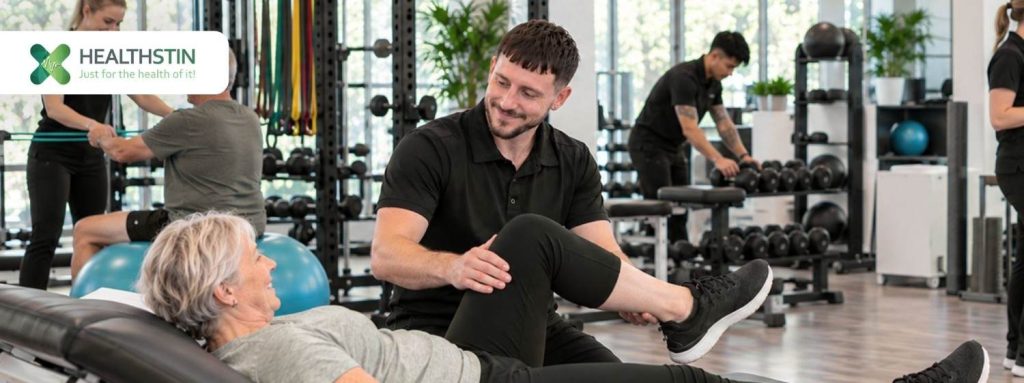
If you have Multiple Sclerosis (MS), you might notice that moving around is more difficult than before. Weak muscles, trouble keeping balance, tiredness, and stiffness can make daily tasks like walking, dressing, or enjoying your hobbies harder. Trying to manage these symptoms on your own, without the right help, can sometimes make things tougher.
The right exercise plan can really help. Safe physical therapy exercises for Multiple Sclerosis, as strength and mobility exercises personalised to you, can improve how you move, ease stiffness, and help you stay independent. Working with a professional exercise physiologist and physiotherapist, you can create a routine that fits your needs and helps you stay active with confidence.
How Exercise Helps with Multiple Sclerosis
Exercise is a great way to help manage Multiple Sclerosis and keep active. Working with an exercise professional to create a personalised MS exercise programme can improve your mobility, reduce muscle weakness, and help with coordination and balance. As you keep moving regularly, you may find that daily activities like walking, standing, or getting in and out of a chair become easier.
Exercise does more than help your body. Gentle movement can ease stiffness, help manage fatigue, and lift your mood by making you feel more confident and capable. Whether you join a neurological rehab programme or do exercises for MS patients at home, staying active can make daily life better and help you stay independent.
Safety Tips Before Starting Exercise
Exercise is generally safe for people with Multiple Sclerosis, but taking precautions can help you get the most from each session and reduce your risk of injury.
Tip #1: Listen to your body
Fatigue is common with MS. Try to exercise when you feel most energetic, and take breaks when you need them. This helps you stay active without pushing yourself too hard.
Tip #2: Keep cool
Heat can make MS symptoms worse temporarily. Try to exercise in a cool place, drink lots of water, and wear light, comfortable clothes.
Tip #3: Start with simple exercises
Begin with gentle movements before progressing to strength training or more challenging balance exercises for MS.
Tip #4: Get professional guidance
A physiotherapist or exercise physiologist can create a personalised programme for Multiple Sclerosis that supports safe mobility improvements and long-term functional independence.
Best Physical Therapy Exercises for MS
The right exercises can help you stay active, improve movement, and safely manage MS symptoms. Below are some of the most effective exercises used in exercise physiology and physiotherapy for Multiple Sclerosis.
1. Range of Motion Exercises
Range of motion exercises gently move your joints through their natural range to reduce stiffness and improve flexibility. They are often used in neurological rehabilitation to keep your body moving comfortably. They can be a good starting point before progressing to strength training for MS.
Shoulder Rolls for Mobility

Instructions:
- Stand up straight and place your feet a comfortable distance apart.
- Let your arms hang loosely at your sides and keep your back straight.
- Slowly lift your shoulders up toward your ears.
- Roll your shoulders back and then down in a smooth circle.
- When you bring your shoulders down, gently squeeze your shoulder blades together.
- Go back to the starting position and repeat the movement slowly and with control.
Helpful Tip:
Move gently and stay relaxed. Take your time and remember to breathe normally as you go.
2. Seated Strength Exercises
Seated strength exercises are helpful if standing for long periods is difficult. They build muscle, improve balance, make daily tasks easier, and reduce your risk of falling. You can also adjust them to fit your energy level, which can help with fatigue.
Seated Toe Raises for Ankle Strength
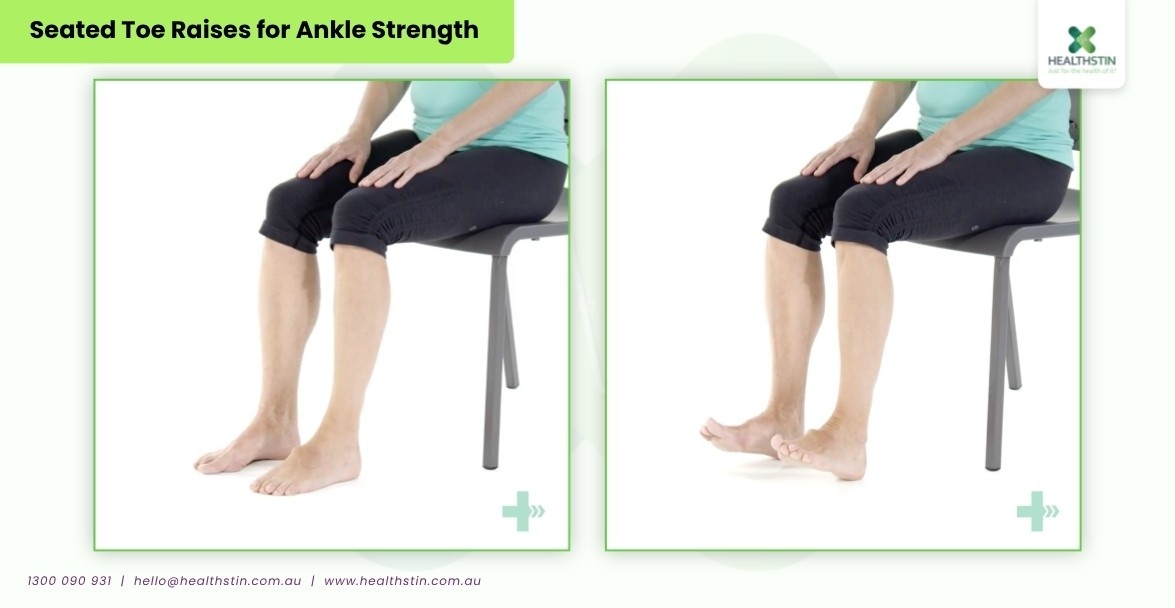
Instructions:
- Sit up straight in a sturdy chair and place your feet about hip-width apart.
- Make sure your back stays straight, and your feet stay flat on the floor.
- Slowly raise your toes and the front part of your feet off the ground so you are balanced on your heels.
- Pause for a moment at the top.
- Slowly bring your feet back down to the starting position, keeping the movement controlled.
- Repeat this movement as many times as your instructions say.
Helpful Tip:
Keep your knees steady and try to move just your ankles and feet. Take your time so you have better control and work your muscles more.
3. Balance and Coordination Exercises
Doing balance and coordination exercises can help you avoid falls and feel more stable in your daily life. Simple activities like walking heel-to-toe and gently shifting your weight can safely improve your control. These exercises are often used to help the brain and nerves heal and can be adjusted to fit your energy level, helping you handle tiredness.
Tandem Balance for Balance Training
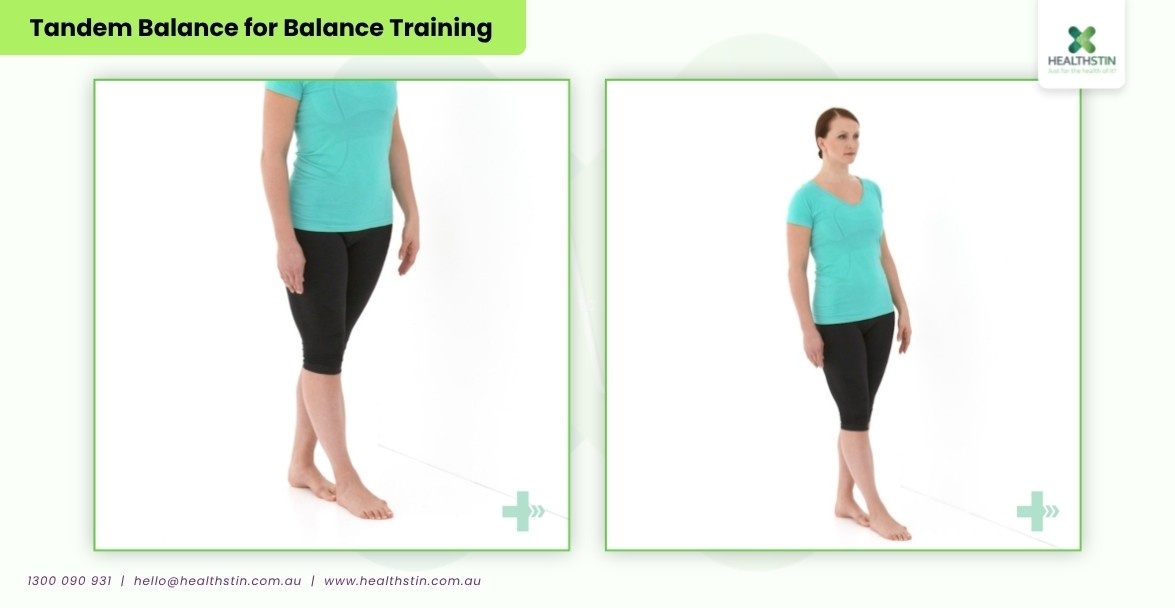
Instructions:
- Stand up straight next to a wall or something sturdy you can hold if you need support.
- Place one foot directly in front of the other so the heel of your front foot touches the toes of your back foot.
- Keep your weight balanced evenly on both feet.
- Once you feel steady, slowly let go of the support if you are holding it.
- Gently engage your stomach, glutes, and thighs.
- Slowly shift your weight forward onto your front foot, then back onto your back foot. Move smoothly and with control.
- Keep your balance and look straight ahead as you move.
Helpful Tip:
Stay close to something sturdy in case you need support. Move slowly and keep your knees slightly bent.
Looking for a Personalised MS Exercise Programme?
If you have Multiple Sclerosis and are not sure how to begin, you are not alone. MS affects everyone differently, so a single approach to exercise rarely works. At Healthstin, our team offers personalised physiotherapy and exercise programmes tailored to your symptoms, energy, and goals.
We work with you to create a safe and structured plan. This can include balance exercises, strength training, and gentle mobility work as part of your neurological rehabilitation. Our main goals are to help you move better, manage fatigue, and stay independent.
Start with a free 10-minute consultation to discuss your goals and symptoms with our team. After that, we can help you book an assessment and create a programme that suits you.
4. Walking or Gait Training
Walking or gait training can help you get stronger, improve your balance, and increase your endurance. It can also make daily tasks easier and help you feel more confident when you move around. Start with short walks and take breaks when you need to, so you do not get too tired.
Walking Training for Better Fitness and Mobility
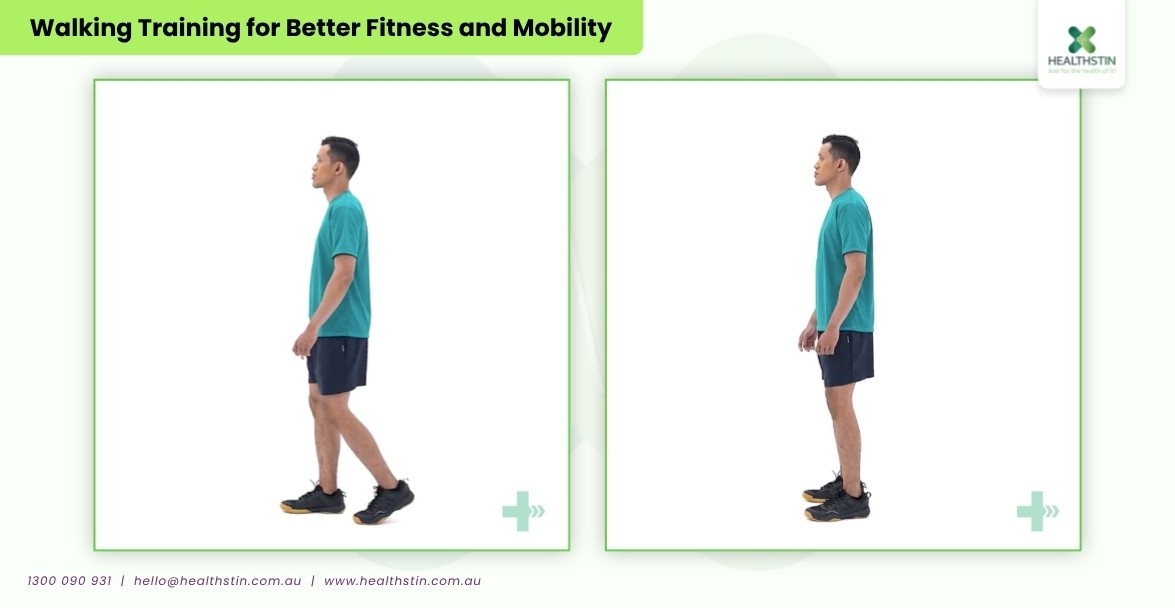
Instructions:
- Find a spacious area to walk.
- Move five slow steps forward.
- Then, step backward three times. Move slowly and stay steady.
- Repeat these steps as needed or as directed.
Helpful Tip:
Stand up straight and move slowly, especially when you step backward. If you want more support, stay close to something solid.
5. Resistance Band Exercises
Resistance band exercises help you build muscle strength without putting a lot of stress on your joints. You can use them for both your upper and lower body, and it’s easy to make them harder as you get stronger. Going at a pace that feels right for you also helps you avoid getting too tired.
Resistance Band Row for Upper Body Strength
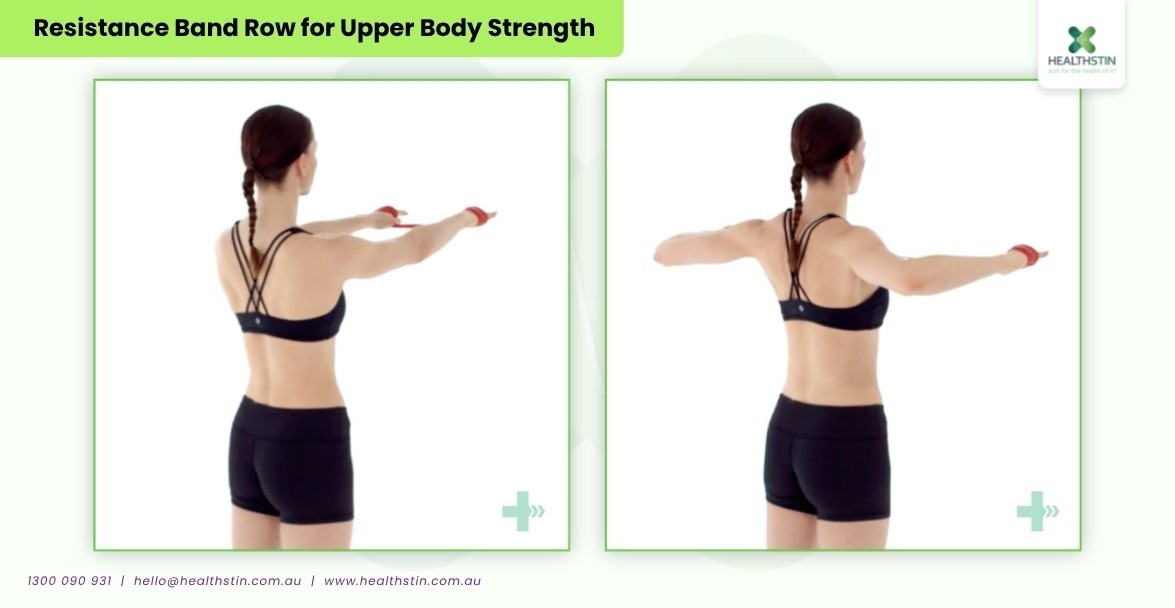
Instructions:
- Stand up straight and hold a resistance band with both hands.
- Wrap the band around your hands so there is a bit of tension, then reach your arms forward at shoulder height.
- Relax your shoulders, bend your elbows, and pull the band in toward your chest.
- Slowly straighten your arms to go back to the starting position.
- Repeat for the number of times suggested.
Helpful Tip:
Lift your chest and squeeze your shoulder blades together when you pull.
6. Stretching Exercises
Stretching can ease muscle tightness, boost flexibility, and make daily movements easier. Gentle stretches for your legs, arms, back, and shoulders also help you move more freely. Moving slowly and calmly helps you avoid getting too tired or overdoing it.
Hip Adductor Stretch for Spasticity Management
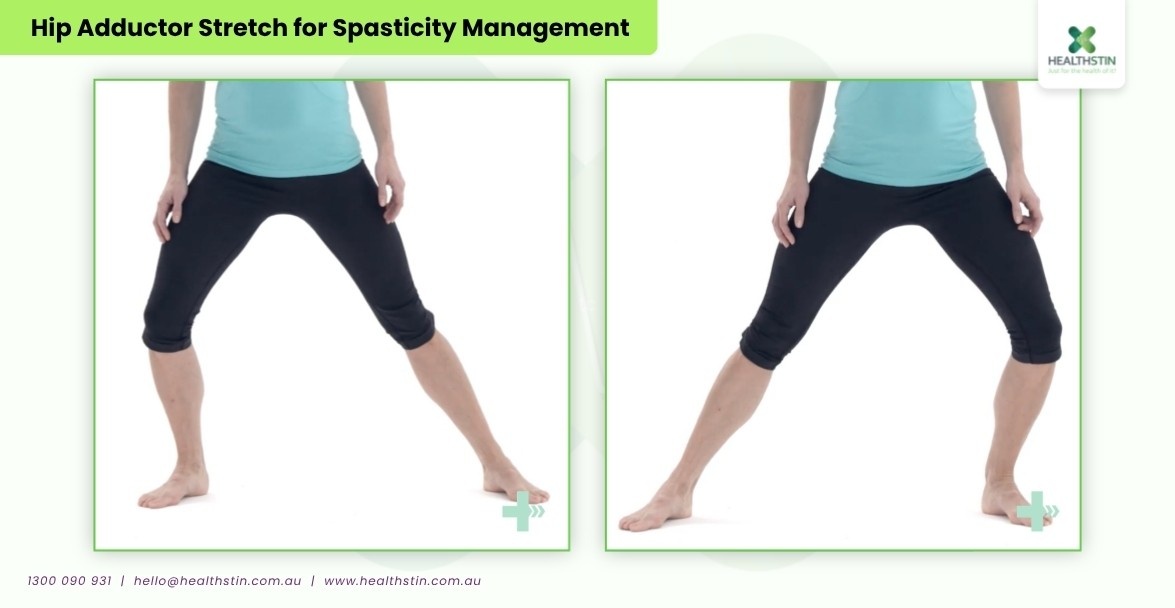
Instructions:
- Start by standing with your feet set wide apart.
- Point your toes a little outward.
- Lean to one side and bend that knee, whilst keeping your other leg straight.
- Keep both feet flat on the floor. You should feel a gentle stretch along the inside of your straight leg.
- Hold the stretch for a moment, then return to your starting position. Switch sides and repeat.
Helpful Tip:
Stretch just until you feel a gentle pull, but stop if you feel pain. Move slowly and keep your movements steady.
Adapting Exercises for Different Stages of MS
Multiple Sclerosis affects each person in a unique way. Your exercise routine should match your current abilities and change as your symptoms do.
| Stage of MS | Recommended Exercise Approach |
| Mild symptoms | Focus on walking, strength, balance, and flexibility exercises to maintain mobility and overall fitness. |
| Moderate mobility limitations | Choose seated or supported exercises, keep sessions short, and include regular rest breaks to support fatigue management. |
| Advanced stages | Prioritise gentle stretching, range of motion exercises, and assisted movements to maintain flexibility, comfort, and daily function. |
Managing Fatigue During Exercise
Many people with Multiple Sclerosis feel tired, but it is still possible to stay active. Try to pace yourself and pick activities that match your energy level.
- Keep sessions short: Begin with short workouts and gradually lengthen them as you build endurance.
- Take regular rest breaks: Rest whenever you need, rather than waiting until you feel worn out.
- Save your energy: Exercise when you have the most energy and spread activities out to avoid getting too tired.
Common Mistakes to Avoid
Exercise is meant to help you feel stronger and more confident. However, some common mistakes can slow your progress or increase your risk of injury.
- Doing too much too soon: Begin with exercises that fit your current ability and slowly make them harder over time.
- Ignoring fatigue: Take a break and rest when your body needs it, rather than forcing yourself to keep going when you are tired.
- Using poor technique: Make sure you use good form with every exercise to get better results and avoid strain.
- Being inconsistent: It’s better to exercise regularly at a pace you can handle than to do intense workouts only once in a whilst
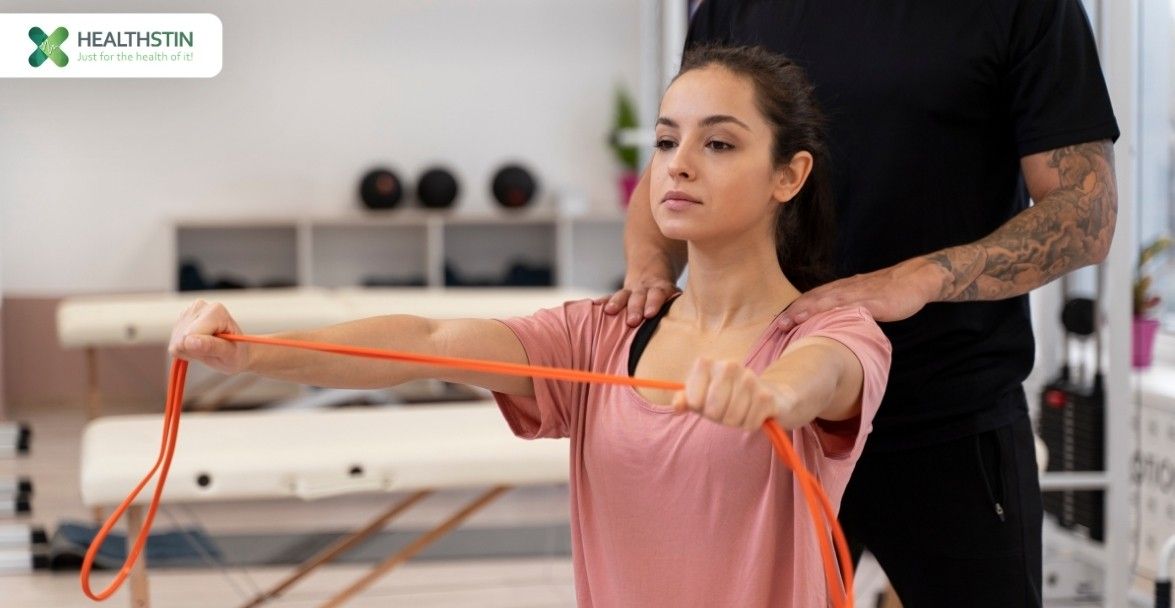
How Healthstin Supports MS Rehabilitation
Living with MS can bring new challenges as time goes on, so having the right support is important. At Healthstin, we offer personalised rehabilitation to help you move with confidence, stay active, and keep your independence.
Personalised Exercise Programmes
We design exercise programmes that match your symptoms, goals, and abilities. If your needs change, we update your plan so you can keep making safe progress.
NDIS-Funded Services
If you are an NDIS participant, our team can offer physiotherapy and exercise physiology services that fit your plan and support your rehabilitation goals.
Home-Based Therapy
Would you rather have therapy at home? Our clinicians can come to you, so you can get personalised care in a place that feels comfortable and familiar.
Ongoing Progress Tracking
We check your progress regularly and update your programme to ensure it continues to meet your needs and long-term goals.
FAQs About Physical Therapy Exercises for Multiple Sclerosis
1. Is exercise safe for people with MS?
Yes, for most people, regular exercise is safe and can help you get stronger, move better, and improve your balance. Choose exercises that fit your abilities and ask a professional for advice before starting something new.
2. How often should I exercise?
How much you exercise depends on your symptoms and fitness level. Many people find it helpful to work out a few times a week and to take rest days or breaks when needed.
3. Can I exercise at home?
Yes, you can do many exercises at home, like stretching, seated strengthening, and balance exercises, as long as you know the right technique.
4. What if I feel fatigued after exercising?
Listen to your body. If you feel tired, lower the intensity, take breaks, and try to exercise when you have the most energy.
5. Do I need professional supervision?
You don’t always need supervision, but working with a physiotherapist or exercise physiologist can help make sure your exercises are safe, effective, and right for you.
Move Better, Feel Stronger, Live More Independently
Living with Multiple Sclerosis can be tough, but having the right support can make daily movement easier. A personalised exercise plan can help you get stronger, feel less stiff, and stay active in a way that matches your energy.
At Healthstin, our team creates exercise and rehab programmes designed to help you move better, manage fatigue, and stay independent for longer. Whether you are just starting out or working to regain strength, we are here to support you.
Book a physiotherapy assessment today or call us on 1300 090 931 to find out how we can help you with your MS exercise journey.
*Disclaimer: The information and exercises in this article are meant as general guidance and do not replace professional advice. Because Multiple Sclerosis affects everyone differently, physical therapy exercises should be tailored to your needs. Please talk to a physiotherapist, exercise physiologist, or healthcare provider before starting any new exercise programme to make sure it is safe for you.