You have finished your Exercise Physiology degree, or you are partway through it, and the next step is not obvious. Accreditation rules, practicum hours, and job titles all blur together, and the people who could explain it clearly are usually the ones you have not met yet.
Job boards aren’t very helpful. A listing tells you the location and the pay, but it rarely tells you if you’ll actually get help during your first year or if you’ll be left to figure things out on your own.
Because of this, many graduates just take the first offer they get, only to leave soon after when they realise the support isn’t there. That wastes valuable time right when you should be building good career habits.
Once you understand how ESSA accreditation works and what to look for in a genuinely supportive employer, making a choice becomes a lot easier. This guide helps you navigate both.
What Is an Accredited Exercise Physiologist?
An Accredited Exercise Physiologist (AEP) is a university-trained health professional who uses exercise to treat injuries, disabilities, and long-term health conditions.
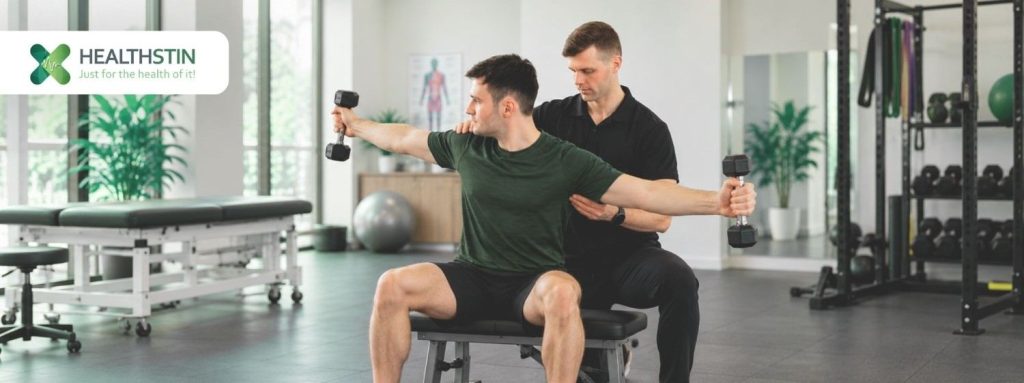
This work is much closer to healthcare and rehabilitation than to personal training. Your job is to look at how someone moves, figure out what’s holding them back, and design a practical program they can actually stick to at home.
Exercise & Sports Science Australia (ESSA) is the peak professional body and the sole accrediting authority for AEPs. ESSA accreditation is self-regulated rather than AHPRA-registered, and it operates under the national standards framework of the National Alliance of Self-Regulating Health Professions. It is the qualification the NDIS, the Department of Veterans’ Affairs, Medicare and most workers compensation schemes recognise for exercise physiology services.
AEPs are dual accredited. You meet the standards for Accredited Exercise Scientist (AES) first, then build clinical practice on top of that foundation.
ESSA’s scope of practice covers conditions where there is evidence that exercise can improve a person’s clinical status, including:
- Cardiovascular and pulmonary conditions, including cardiac and respiratory rehabilitation
- Metabolic conditions such as type 2 diabetes
- Neurological presentations, including stroke, Parkinson’s disease, multiple sclerosis and acquired brain injury
- Musculoskeletal injury and persistent pain
- Cancer, before, during and after treatment
- Kidney disease and mental health conditions
Recognition and funding arrangements differ between the NDIS, DVA, Medicare and each state workers compensation scheme, and they change.
How to Become an Accredited Exercise Physiologist in Australia
The Exercise Physiologist career pathway is more structured than most people expect. Here is the shape of it before we break each stage down.
| University study | ESSA-accredited degree at AQF Level 7 or above | 4 years, or 3 + postgraduate |
| Exercise science practicum | 140 hours with apparently healthy or at-risk populations | Completed during study |
| Clinical practicum | 360 hours with clients who have clinical conditions | Completed during study |
| Accreditation application | Evidence of qualification, signed practicum records, ID check | Weeks, depending on pathway |
| Ongoing CPD | 20 professional development points per year, first aid, CPR, insurance | Every year of practice |
Complete an Accredited University Degree
To become an Accredited Exercise Physiologist (AEP), you can complete a four-year bachelor’s degree from an ESSA-accredited course, or alternatively, a related bachelor’s degree followed by an accredited postgraduate qualification. Another pathway is completing an undergraduate degree in exercise and sports science followed by an accredited postgraduate master’s degree in exercise physiology. Check the accreditation status before you enroll. Graduating from a non-accredited course does not shut the door, but it means a longer, more paperwork-heavy application later, and you will be assessed against every standard individually.
Meet ESSA Accreditation Requirements
You have to meet two sets of rules: first the Exercise Science standards, and then the Professional Standards for exercise physiology. These cover everything from health checks and safe exercise programs to professional behaviour and how you talk to clients and other health professionals.
Your university degree is built around these exact rules, which is why graduating from an approved course makes applying for your accreditation much simpler.
Gain Clinical Placement Experience
Practicum comes in two blocks, 500 hours all up. The first 140 hours cover exercise assessment, prescription and delivery with apparently healthy or at-risk populations. The remaining 360 hours are with clients who have clinical conditions, with at least 200 of those spread across the AEP core areas of practice.
One detail catches a lot of students off guard: any hours you spend working with clients whose care is funded by Medicare or the Department of Veterans’ Affairs (DVA) don’t count toward your graduation or accreditation requirements. That’s simply because neither program pays for services delivered by students or exercise scientists.
Always check how a placement is funded before you assume the hours will count.
Apply for Accreditation
You apply through the ESSA online portal. The process depends on whether your university course was ESSA-accredited, and a quick eligibility check will tell you which path to take.
You’ll just need to upload proof of your degree, your signed placement records, and complete a quick online ID check.
Maintain Ongoing Professional Development
Accreditation is not a one-off. Practising AEPs hold current first aid and CPR certification, carry appropriate professional indemnity insurance, complete 20 continuing professional development points each year, and work within ESSA’s Code of Professional Conduct and Ethical Practice. Employers vary a lot in how much they contribute here, which is worth asking about at interview.
Practicum hours, standards and CPD point requirements above reflect ESSA documentation published to 2026 and are subject to change.
What Career Opportunities Are Available for Accredited Exercise Physiologists?
Accredited Exercise Physiology offers a diverse range of career paths. To understand the day-to-day reality of the profession, it helps to separate where you work, how your services are funded, and the types of conditions you treat.
1. Main Work Settings
Depending on your preference, lifestyle, and employer, your day-to-day environment can look quite different:
Clinical Settings: Operating out of a dedicated gym, multidisciplinary allied health clinic, or private practice.
Community-based: You travel directly to your clients to run sessions in their own homes, local parks, or community spaces rather than waiting for them to come to you.
Hospitals: You work right inside hospitals—helping patients recover immediately after medical procedures, assisting during extended recovery stays, or seeing people who drop by for day visits—while teaming up closely with doctors, nurses, and other healthcare staff.
A Mix of Both: You split your workweek, spending some days seeing clients at a fixed office or clinic and other days traveling out for home and community visits.
2. Funding and Insurance Pathways
Your administrative requirements, reporting rules, and session structures are often shaped by how the client’s care is funded:
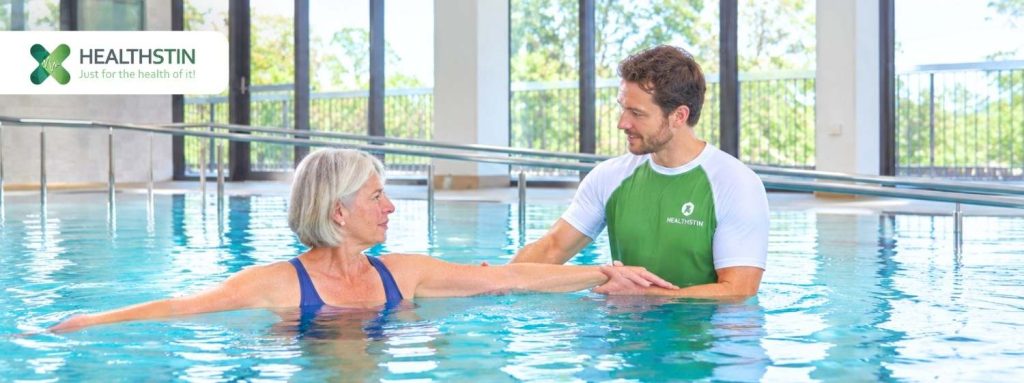
Disability Support (NDIS): You help people living with disabilities gain everyday independence by working with them right in the clinic or in the pool. Rather than a standard gym workout, you focus on practical life skills—like building the stamina to ride the bus or learning how to get up safely after a fall—while tracking their progress with clear reports.
Veterans’ Care (DVA): You work with former service members, often building meaningful, long-term relationships that last for years. Patients typically come to you through a doctor’s referral, and you help them manage long-standing injuries, pain, or health needs following specific program guidelines.
Support at Home: You team up with older adults, their families, and care coordinators to help seniors stay strong, prevent falls, and live safely and independently in their own homes for as long as possible.
Medicare Health Plans: You guide people through tailored exercise programs to help manage ongoing conditions like diabetes or heart disease. These are backed by Medicare, which helps cover a set number of sessions each year.
Private / Self-Funded: Working with clients who pay independently for private consultations, health fund rebates, or tailored fitness programs.
3. Clinical Caseloads and Conditions
Regardless of your work setting or how the service is funded, your clinical practice will typically involve a mix of the following categories, which apply across all insurance types:
Joint, Muscle, and Back Pain: You help people heal from physical injuries, bounce back smoothly after surgeries, and manage everyday, long-lasting aches like persistent back or joint pain.
Brain and Nervous System Recovery: You work with people recovering from a stroke or living with conditions like Parkinson’s disease, multiple sclerosis, or brain injuries. Using specific movement exercises, you help them relearn physical control, improve balance, and regain everyday function.
Chronic Disease Management: Supporting clients living with Type 2 diabetes, cardiovascular disease, osteoarthritis, and cancer-related fatigue.
Psychosocial and Mental Health: Leveraging structured physical activity to support mental health, mood regulation, and overall well-being.
Community rehabilitation cuts across nearly all of these elements, making up a rapidly growing share of the employment opportunities available in the field.
What Skills Make a Successful Exercise Physiologist?
Technical knowledge and training get you accredited. Below are the factors that make the job practically operational day-to-day.
| Communication | Explaining a program to someone with aphasia, then explaining the same program to their daughter, then writing it up for a plan manager |
| Clinical reasoning | Deciding whether today’s knee pain means modify, progress, or refer on |
| Empathy and person-centred care | Adjusting the session when someone has had a hard week, without abandoning the goal |
| Multidisciplinary collaboration | Reading the physiotherapist’s notes before you prescribe, and flagging what you noticed back to them |
| Adaptability | Running a balance session in a narrow hallway because the lounge room is full |
| Leadership potential | Supervising a student, or picking up the informal role of the person others ask for a second opinion |
Nobody arrives with all six. They develop through supervised practice, which is why clinical mentoring matters more than almost anything else in your first few years.
Looking for Your Next Exercise Physiology Opportunity?
Maybe you’re just finishing your placement and want your first job to come with proper support and supervision. Or maybe you’ve spent three years in a busy clinic seeing the exact same types of clients every day, and you’re ready for a challenge that actually stretches your skills again.
Either way, those are both great reasons to look for a change.
Healthstin employs Accredited Exercise Physiologists across NDIS, DVA, Home Care Package and private caseloads, alongside physiotherapy, hydrotherapy and remedial massage colleagues. If you would like to talk it through informally before applying, a short conversation with our team is a low-commitment place to start. No application, no obligation.
View current openings on our page or get in touch with us to ask about roles in your area.

What Should You Look for in an Exercise Physiology Employer?
When you’re comparing Accredited Exercise Physiologist jobs, job ads rarely tell you the things that actually matter. These six questions will.
Structured Mentoring Programs
Ask what supervision looks like in your first month compared to your sixth month. A real mentoring program has specific supervisors assigned to you, regular meetings already scheduled into your calendar, and protected time set aside—not just squeezed in between back-to-back clients. It also helps to ask how many clients you’ll be carrying in your first month; that number will immediately tell you if the mentoring is real or just talk.
Professional Development Opportunities
Because ongoing training (CPD) is mandatory, the real question is who pays for it and whether you get to do it on company time. You’ll want to check if they provide an actual learning budget, offer paid study leave, and run regular training sessions in-house
Diverse Clinical Caseloads
Seeing the exact same type of client every day helps you get fast at routine work, but dealing with a mix of different cases is what actually builds real clinical judgment. Employers who work across the NDIS, DVA, aged care, and workers’ compensation give newer clinicians a much broader range of experience than you’d ever get at a clinic focused on just one funding type.
Clear Career Paths
Ask what the next steps up are called and how the people currently in those roles got there. If nobody can give you a straight answer, that growth path probably doesn’t exist yet.
A Supportive Team Culture
It’s easy to feel isolated when you’re traveling from client to client on your own. To avoid that, look for employers who make connection a priority:
- Regular team get-togethers: They actively schedule time for the team to meet up and stay connected.
- Accessible leadership: You have a clinical lead you can easily reach the moment you need professional guidance.
- A collaborative culture: The workplace is set up so you can quickly text a coworker to bounce ideas around when a client’s case gets complicated.
Flexible Working Arrangements
When a job ad mentions “flexibility,” it pays to ask what that actually looks like in practice. Here are the key things to check so you don’t burn out down the track:
- Schedule control: Do you genuinely get to manage your own diary?
- Reasonable travel: Are your daily visits close enough together that you aren’t spending half your day stuck in traffic?
- Part-time options: Are realistic part-time schedules genuinely supported if you need them?
- Telehealth days: Can you work from home or use telehealth to break up your week?
Getting clear on these details early on makes a massive difference in whether the job still feels manageable two years in.
From Graduate to Senior Clinician: Career Growth at Healthstin
Rather than describe an individual’s career, which we will not do, here is how the progression process itself is structured.
| Graduate onboarding | Reduced initial caseload, orientation to funding streams and documentation, shadowing before solo visits |
| Clinical mentoring | Scheduled one-to-one supervision, case review with a senior clinician, feedback on written reports |
| Advanced clinical training | Deeper work in a chosen area such as neurological or cardiac rehabilitation, supported CPD |
| Leadership pathways | Student supervision, mentoring newer staff, clinical lead and team coordination roles |
| Opportunities across Australia | Movement between regions as the service grows, including relocation support where available |
Coordination is where multidisciplinary work either happens or does not. In practice, it means shared clinical notes between disciplines, a documented trigger for reviewing a plan when someone’s function changes, and case conferences that include the support coordinator or care manager rather than just the clinicians. That process is what turns “we have a physiotherapist too” into care that actually joins up.
Make sure you get every detail of the graduate program in writing before signing anything, including:
- Client growth: How quickly your caseload builds up.
- Supervision: Exactly how often you’ll meet with your supervisor.
- Learning budget: What financial support is provided for your ongoing training.
- Career progression: The specific job titles you earn as you move up.
- Relocation help: What assistance they genuinely offer if you need to move for the role.
Double-check that management has officially signed off on all these promises so you know they’re guaranteed.
Why More Exercise Physiologists Are Choosing Community-Based Healthcare
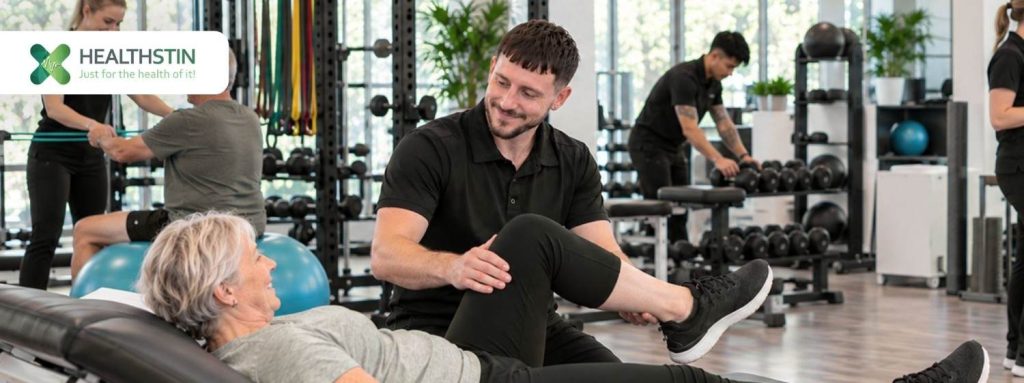
Working in a dedicated clinic environment brings structure, resources, and team support that shape a rewarding, sustainable career.
- Full Access to Equipment: You have a complete array of gym equipment, free weights, and specialised machinery right on hand to tailor every exercise program to your clients’ unique needs.
- Collaborative Team Support: You are surrounded by fellow health professionals, making it easy to bounce ideas around, receive mentorship, and collaborate closely on client care.
- Zero Travel and Predictable Days: No spending hours driving between appointments or fighting traffic. Your clients come to a professional, purpose-built space designed for active rehabilitation and functional growth.
- Accelerated Professional Growth: You do not have to figure things on your own. With experienced practitioners and mentors right there working with you, you receive practical guidance, helpful feedback, and structured support that builds your clinical confidence fast.
- Real, Long-Term Progress: Because your clients return to the clinic weekly, you get to follow their recovery. You can trace how their movement are improving, update their exercise plans as they get stronger, and celebrate real-life milestones together over time.
Working in a clinic gives your workweek a steady, predictable rhythm. Instead of spending your day traveling to different locations, you operate out of a single, well-equipped space alongside a team of other health professionals. It’s an ideal environment to build your skills, establish your routine, and launch a thriving career.
Current Demand for Accredited Exercise Physiologists in Australia
Health care and social assistance is Australia’s fastest-growing employment sector, and government projections have it accounting for a large share of new jobs nationally over the coming decade. Several things are driving demand for Exercise Physiology graduate jobs specifically:
- More NDIS support: The demand for allied health services funded through the NDIS continues to grow.
- An aging population: More older Australians are using Home Care Packages and looking for help with falls prevention and staying active.
- A shift toward prevention: Government policies, like the National Preventive Health Strategy, are putting a bigger focus on preventative health.
- Care moving into the community: More health services are expanding out of traditional hospitals and clinics and directly into local communities.
What about pay? Generally speaking, exercise physiologists in Australia usually make somewhere between $70,000 and $95,000 a year, though senior positions and jobs in regional areas tend to pay more.
Keep in mind that these numbers come from job postings and what people report themselves, rather than official government surveys. Because of that, your actual pay can vary quite a bit depending on your state, the type of work you do, and your level of experience. It’s best to look at these figures as a rough guide and check official sources like Jobs and Skills Australia if you want the most current data.
Why Choose Healthstin?
Healthstin is a multidisciplinary allied health provider working across exercise physiology, physiotherapy, hydrotherapy and remedial massage, with clients funded through the NDIS, Home Care Packages, workers compensation, DVA and private arrangements.
What that means for an AEP joining us:
- A multidisciplinary environment, so you can consult a colleague in another discipline about a shared client
- Caseloads spanning several funding streams rather than one
- Ongoing clinical mentoring rather than orientation-then-good-luck
- Investment in career development, including support toward CPD requirements
- Growth opportunities in multiple states as the service expands
We’re upfront about the tough parts, too. Working out in the community means dealing with travel, doing funding paperwork is just part of the job, and plan reviews happen like clockwork whether your week has been smooth or chaotic. Knowing what you’re walking into right from the start is a lot better than finding out the hard way three months in.
Double-check that HR has approved every promise made here by the employer. You’ll want to verify exactly which states and regions actually have open positions right now, and whether questions about “allied health recruitment” go through a central HR team or your local office.
[FAQS]
Frequently Asked Questions
What qualifications do I need to become an Accredited Exercise Physiologist?
You need an ESSA-accredited university qualification, normally a four-year bachelor’s degree at AQF Level 7 or a three-year related degree plus an accredited postgraduate course, together with 500 hours of practicum and successful accreditation through ESSA.
How long does it take to become an AEP?
Getting qualified usually takes about four years of full-time study, which includes getting your hands-on placement hours done along the way. Once you graduate, it takes another few weeks to get your official accreditation sorted, depending on which application route you take.
What industries employ Exercise Physiologists?
Community and home-based allied health, hospitals and public health services, aged care, disability services, workers compensation and insurance rehabilitation, private practice, universities and research, and corporate health.
Is Exercise Physiology a growing profession?
The broader health care and social assistance sector is projected to keep growing strongly, supported by population ageing, disability funding, and a policy shift toward prevention. Individual job availability still depends on your location and the setting you want to work in.
What salary can an Exercise Physiologist earn in Australia?
Publicly reported averages generally sit in the $70,000 to $95,000 range, varying by state, sector, and years of experience. Check current listings and Jobs and Skills Australia data for an accurate picture.
What makes Healthstin different from other employers?
Working with a diverse team of different health professionals, handling a mix of clients across the NDIS, Home Care Packages, DVA, and private care, and getting mentors that continuous throughout your growth.
Whether an environment like that fits what you want for your career over the next few years is entirely up to you. It’s a completely fair topic to bring up and chat about directly.
Start Building a Meaningful Career in Exercise Physiology
The accreditation pathway is well signposted once someone lays it out. The employer’s decision is the harder one, and it has more effect on how your first five years go.
Look for workplaces that actually put money into your professional development, spend real time on supervision, and can explain how you can move up the ladder without pausing to think.
When you’re in an interview, don’t be afraid to ask direct questions about your daily client numbers, how often you’ll get mentoring, and what “flexibility” actually looks like on the ground. Good employers will be happy to answer every single one of them.
Join a Team That Invests in Your Clinical Growth
The right role should give you three things: supervision you can rely on while your reasoning develops, a caseload varied enough to keep building your judgement, and a clear view of what the next step up looks like.
If that sounds like what you are after, we would like to hear from you. Apply for an Exercise Physiology role with Healthstin and our team will talk you through the caseload, the mentoring structure, and the regions where we currently have capacity. We will build the conversation around where you are in your career, whether you are about to graduate or looking to move after several years in practice.
Prefer to ask a few questions first? Call us on 1300 090 931 or book a time to talk.
KEY TAKEAWAYS
- The pathway is clear. Four years of ESSA-accredited study plus 500 practicum hours, then annual CPD to stay accredited.
- The work is broader than people expect. NDIS, DVA, aged care, neurological rehabilitation, chronic disease and return-to-work all sit within one accreditation.
- Your employer choice shapes your first five years. Supervision, caseload variety and a named progression pathway matter more than the starting salary.
- Ask the specific questions. Caseload in month one, who supervises you, who pays for CPD, and what flexibility means in practice.
DISCLAIMER
This article is general information about study and career pathways in Australia. Accreditation requirements, funding rules and employment conditions change over time. Confirm current requirements directly with Exercise & Sports Science Australia and the relevant funding body. Nothing here is an offer of employment or a guarantee of accreditation, placement, or pay.