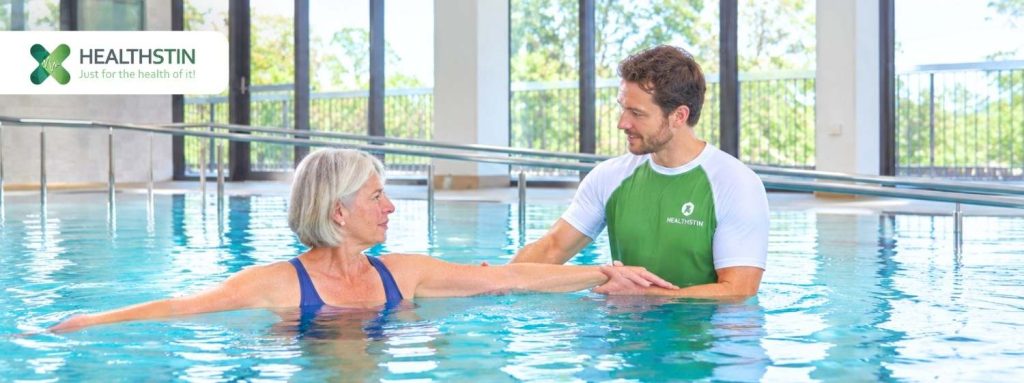
Graduating with a degree in physiotherapy is a major achievement. It represents years of intense studying and hands-on hospital and clinic experience, and dedication to understanding how the human physiology.
Even so, stepping out of the structured university world and into your first real job can feel a bit overwhelming. The sheer volume of options, combined with the pressure to make an appropriate initial choice, leaves many newly qualified professionals feeling uncertain about their next steps.
A common pitfall during this transition is focusing solely on immediate financial compensation or geographic convenience. By doing this, individuals often overlook structural factors that determine long-term career satisfaction, such as structured guidance, supportive leadership, and continuous professional development.
Securing a position that aligns with your early professional needs requires looking beyond basic job descriptions. Understanding where to find quality opportunities—and what attributes to seek in an employer—can help a new graduate physiotherapist establish a rewarding, sustainable, and impactful career.
What Does the Physiotherapy Job Market Look Like in Australia?
The healthcare industry in Australia is growing rapidly, largely due to an aging population and evolving funding models. National job data shows that the country needs more healthcare workers to keep everyone healthy, which means thousands of new jobs are opening each year. Because of this steady growth, anyone starting a healthcare career right now is entering a very stable job market with plenty of opportunities.
A major reason for this growth is the steady expansion of the National Disability Insurance Scheme (NDIS). This program has completely changed how therapy is funded and delivered, focusing on helping people build long-term skills and live more independently in their communities. At the same time, as people live longer across Australia, there is a much higher demand for therapies that improve movement, keep people mobile, and prevent falls. These two trends combined mean that hospitals, care homes, and community services are constantly looking for new staff to fill open roles.
This high demand for workers is felt right across the country, from busy capital cities to smaller regional and country towns. While major cities like Sydney, Melbourne, and Brisbane have plenty of private clinics and large hospitals, regional areas are facing noticeable staff shortages. This means there are excellent opportunities for health workers who are open to working outside the big cities, where the day-to-day work is often incredibly varied and offers a great mix of experience.
Are physiotherapists in demand in Australia?
Yes, physiotherapists and exercise physiotherapists are in high demand across Australia. As our population ages, more people live with long-term health conditions, and the NDIS continues to expand, the healthcare sector is expected to see significant job growth. This steady need for workers covers public hospitals, private clinics, and local community health services in both big cities and country towns. All of this makes finding Physiotherapy jobs in Australia highly accessible for anyone with the right qualifications.
Where Can New Graduates Find Physiotherapy Jobs?
Finding your first job means getting to know the different places where health services are actually delivered. Each workplace has its own unique setup, learning speed, and daily focus, so it helps to understand what each one offers before making your choice.
Graduate Programs
Structured entry-level arrangements are specifically developed to bridge the gap between academic theory and independent clinical practice. These frameworks provide a protective environment in which individuals receive systematic onboarding, adjusted caseloads, and dedicated study time. Participating in a well-established framework minimises early-career burnout.
Allied Health Organisations
Bigger companies operating across the broader world of allied health careers offer steady jobs and a wide variety of work for people just starting. These organisations usually look after clients who receive funding through the NDIS, the Department of Veterans’ Affairs (DVA), or Home Care Packages. Working within these environments allows clinicians to deliver care directly in residential and community settings.
Private Practices
These are your traditional clinics that focus heavily on muscle and bone conditions, sports injuries, and post-surgery recovery. These workplaces are great for anyone who enjoys a fast-paced environment, hands-on treatments, and quick problem-solving.
Hospitals and Health Networks
Public and private hospital systems offer rotating roles that let you work across various areas, including urgent care wards, intensive care units, stroke and brain injury units, and outpatient clinics. These positions give you great experience in caring for very unwell patients and working alongside other hospital staff to plan a patient’s safe return home.
Professional Associations and Job Sites
When you are actively looking for Physiotherapy jobs in Australia, using specific healthcare sites works best. For example, the Australian Physiotherapy Association (APA) has its own job board listing trusted openings for this profession. On top of that, applying directly through a well-known healthcare company’s careers page lets you get your resume straight to the team leaders in charge.
What Should New Graduates Look for in Their First Physiotherapy Job?
Selecting an initial employer is a decision that shapes a clinician’s clinical habits, reasoning skills, and professional confidence for years to come. Rather than focusing exclusively on the base salary, recent arrivals to the profession should evaluate potential employers against several structural benchmarks.
Structured Mentorship
Good workplaces don’t leave you to grow in your career on your own. They set you up with regular guidance from a senior teammate who has been in your shoes. This means you have set times every week to talk through your trickier cases, brainstorm treatment ideas, and practice your hands-on skills with someone who is there to help you succeed, not judge you.
Clinical Supervision
While mentoring focuses on your overall growth, clinical supervision focuses on maintaining operational standards, such as patient safety, accurate note-taking, and meeting quality standards. A supportive workplace makes things like practical observations and review sessions a normal part of your weekly routine, so you always feel backed up when making important treatment decisions early in your career.
Diverse Caseload Exposure
Focusing on just one specific area right after you graduate can limit your options down the road. A great first job should give you a chance to work with all kinds of clients—like people recovering from strokes, individuals with heart or lung conditions, sports or muscle injuries, and older adults. Getting this broad experience helps you figure out what you genuinely enjoy doing while building a strong foundation for your entire career.
Professional Development Support
The world of therapy changes quickly as new medical research comes out. Workplaces that care about giving great treatment offer real support to help you keep learning. This usually includes a budget to cover external courses, regular training sessions with your team at work, and paid time off to study for higher qualifications.
Career Progression Opportunities
Your first job shouldn’t be a dead end. When you are applying for a role, it is a great idea to ask straight out about the company’s physiotherapy career progression plans. A good employer will be happy to show you exactly how a new graduate can move up into senior clinical roles, management, or even research positions over time.
Ready to Launch Your Physiotherapy Career?
Are you looking for a workplace that offers a wide variety of clients and steady, professional support? Healthstin provides a structured start, personal guidance, and clear career paths to help you succeed and grow as a therapist.
[Explore Graduate Opportunities with Healthstin]
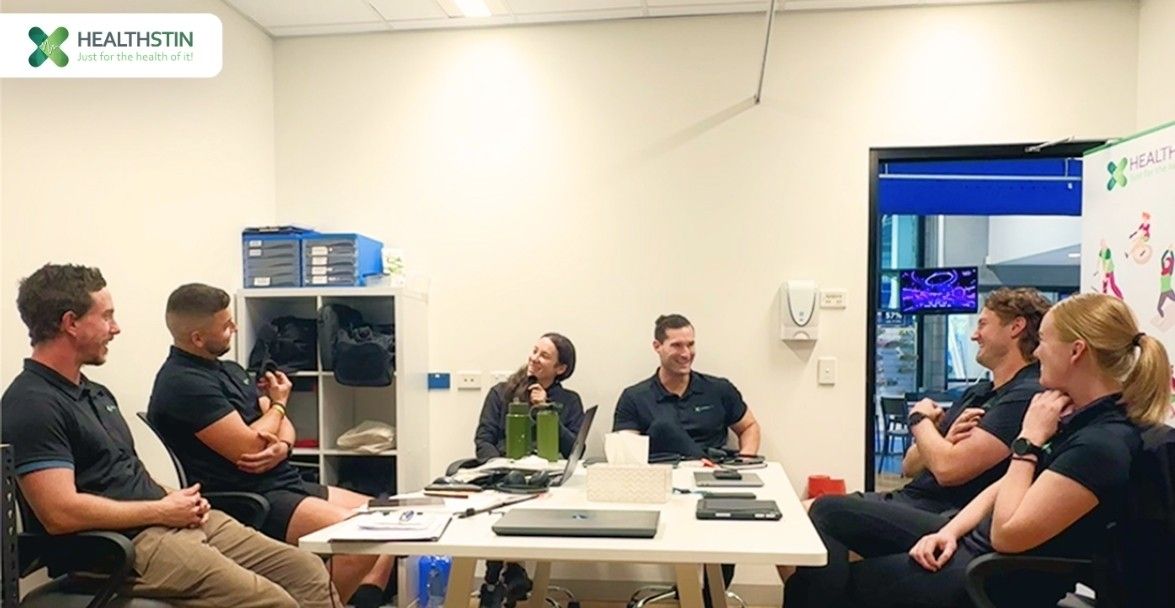
Physiotherapy Career Pathways in Australia
The modern healthcare world offers many different career paths for qualified professionals. The job has grown far beyond just working on traditional hospital wards, which means you can now match your daily work with what you are truly passionate about. Knowing what options are out there helps you plan out your own physiotherapy graduate pathways with confidence.
Community Physiotherapy
Working in community physiotherapy means bringing therapy straight to a client’s everyday world—like their home, local gym, or workplace. This path focuses on real-life results, making it easier for people to move around their own environments and helping them build the strength they need to stay independent.
NDIS Physiotherapy
Dedicated disability support under the NDIS requires a deep understanding of long-term conditions such as cerebral palsy, spinal cord injuries, and genetic syndromes. Practitioners develop goal-oriented plans that directly support community participation, assistive technology prescription, and long-term physical well-being.
Neurological Rehabilitation
This path focuses on helping people who are recovering from a stroke or a serious head injury, or those managing ongoing conditions like Parkinson’s disease and Multiple Sclerosis. The work involves a lot of retraining, using repetitive, everyday movements to help the brain adapt and find new ways to control the body.
Aged Care and Home Care Packages
Helping older adults stay safe and independent in their own homes involves balance training, gradual strength exercises, and thorough checks to make the home safer to move around in. This area of healthcare is growing incredibly fast, as the government’s focus changes from moving people into nursing homes to supporting them so they can live independently at home.
Veterans’ Health (DVA)
Giving the right care to veterans means helping them handle a mix of long-term joint and muscle wear-and-tear, pain management, and the natural loss of movement that comes with getting older. It takes supportive, caring communication combined with structured exercise plans to get them moving comfortably again.
Musculoskeletal Physiotherapy
Treating back pain, joint issues, and sports injuries is a huge part of working in a private clinic. This path focuses on quickly identifying what’s wrong, using hands-on treatments, and guiding clients through step-by-step exercise plans to help them move normally again.
Why Community-Based Physiotherapy Is Growing in Popularity
A big change is happening within healthcare careers Australia as more therapists choose to work in the community rather than within traditional clinic walls. This way of working offers several great perks that can help you enjoy a much longer, more rewarding career.
First, community care lets you help people practice real-world movements. Instead of training a client on a single machine in a clinic, you work right where they actually live their daily lives. This makes therapy much more meaningful, because you are building exercises directly into their normal routines—like climbing the stairs at home or walking safely through the local shopping centre.
Second, this setting helps you build better relationships with clients and their families. Instead of rushing through brief, fifteen-minute clinic appointments, community visits usually last forty-five to sixty minutes. This gives you plenty of time to really listen, teach, and adjust your care.
Working this way also gives you a lot of independence and keeps things interesting, since every home is shaped a bit differently and requires you to think on your feet to adapt exercises to the space.
Finally, the high demand for this service across Australia means excellent job security and plenty of flexibility. You often have much more control over your schedule, making it easy to balance paperwork, client visits, and your personal life.
Common Mistakes New Graduates Make When Choosing a Job
Avoiding early professional missteps can save an entry-level clinician from frustration and premature career changes.
Prioritising Salary Over Development
While an exceptionally high initial salary package is attractive, it often comes at the cost of support. High-paying roles that lack mentoring frequently led to high stress, clinical stagnation, and early burnout.
Ignoring Mentorship Opportunities
Assuming that university training is sufficient for independent practice is a mistake. Without a formal framework for “clinical mentoring”, fresh graduates can quickly feel isolated when confronted with complex, non-textbook clinical presentations.
Focusing Only on Location
Restricting a job search to a narrow radius around a university campus or childhood home can cause individuals to miss out on organisations that offer superior learning cultures and structured career pathways.
Choosing a Narrow Caseload Too Early
Locking yourself into one specific area during your first year can limit your long-term skills. It can make it much harder to change directions or switch to different types of healthcare roles later in your career.
Not Understanding Career Progression Pathways
Failing to clarify how an employer handles internal promotion can leave a clinician stuck in an entry-level position with static responsibilities for an extended period.
Frequently Asked Questions
How do I find physiotherapy jobs in Australia?
Finding the best positions means looking in the right places—such as job boards like the Australian Physiotherapy Association (APA) careers page, or the hiring pages of major therapy companies like Healthstin — when searching for Physiotherapy jobs in Australia.
It is also a great idea to reach out directly to the company’s hiring teams. Often, you can find fantastic opportunities this way before the jobs are even posted on public websites.
Are graduate physiotherapist jobs competitive?
While there is a massive demand for healthcare workers in general, traditional city clinics that focus solely on sports or muscle injuries often receive a flood of job applications from new graduates.
On the other hand, community care, disability support services (like the NDIS), and regional health centres are always short-staffed and actively competing to hire qualified new grads.
What should I look for in my first physiotherapy role?
A new graduate should look for a job that offers structured mentoring, regular guidance from senior staff, opportunities to work with a wide variety of client conditions, and a clear path to advancement within the company.
It is also incredibly important to check out the team culture and make sure your workload starts small and builds up gradually, so you do not burn out.
Is community physiotherapy a good career path?
Yes, it is an exceptionally rewarding career path that offers strong long-term growth. It provides extended client contact time, greater day-to-day variety, opportunities for autonomous problem-solving, and highly flexible working arrangements compared to traditional clinic-bound environments.
What industries employ physiotherapists?
Physiotherapists work across many areas of the Australian healthcare system. You can find them in public and private hospitals, community health companies, disability support services under the NDIS, and aged care homes. They also work with companies to keep employees safe at work, and in private clinics, treating everyday muscle and joint injuries.
How can I grow my physiotherapy career?
Long-term growth is achieved by systematically seeking diverse clinical exposure, engaging in continuous professional development, and looking for clear lines of internal promotion within your organisation. Advancing into leadership roles, pursuing advanced postgraduate coursework, or taking on internal mentoring responsibilities are excellent ways to foster growth.
Take the Next Step in Your Career
Apply to Join Healthstin Today
Healthstin provides physiology and exercise physiology job opportunities across multiple states in Australia.
- Sans Souci, NSW – Supporting southern Sydney residents
- Hurstville, New South Wales (NSW) – Conveniently located for serving the St George community
- Salisbury & Elizabeth, South Australia (SA) – Accessible for Adelaide’s northern suburbs
- Brimbank & Melton, Victoria (VIC) – Supporting communities in Melbourne’s west
- Belmont, Western Australia (WA) – Expanding to meet growing local demand
Our team can deliver therapy in our clinics or within the community.
Know Someone Who Could Benefit Our Services?
Help someone take the first step. If you know a friend, a former subbie, or a loved one who is struggling to stay active or feeling socially isolated, we make the referral process simple. We’ll help them navigate the D904 or NDIS requirements with ease.
Refer Someone Today and help them start their path to better health and independence.