When you are living with persistent muscle tightness or recovering from an injury, choosing the right physical treatment can feel overwhelming. Many people book a session without fully understanding the underlying differences between various modalities. If you pick an unsuitable treatment type, you might find that your lingering discomfort, stiffness, or mobility issues remain unresolved after your appointment.
Understanding the unique differences between deep tissue and remedial massage helps you make a clearer, more effective choice for your recovery, pain management, and long-term wellbeing. In this guide, we break down the deep tissue vs remedial massage comparison to assist you in determining which path is right for your physical needs.
Deep tissue massage uses focused, firm pressure to work on the deeper layers of your muscles and the connective tissue surrounding them. While relaxation is a welcome byproduct, the primary goal of this therapy is to address severe tension.
Practitioners use slow, deliberate strokes and sustained pressure to target the inner layers of your muscles and fascia (the connective tissue surrounding muscles).
Targeted Release: This approach is highly appropriate for individuals who experience chronic stiffness or tight areas that regular, lighter massage cannot reach.
Key Techniques: Methods often include stripping (gliding pressure along the muscle fibres) and friction (pressure applied across the grain of the muscle) to help address adhesions—bands of rigid tissue that can form after injury or overuse.
What is Deep Tissue Massage?
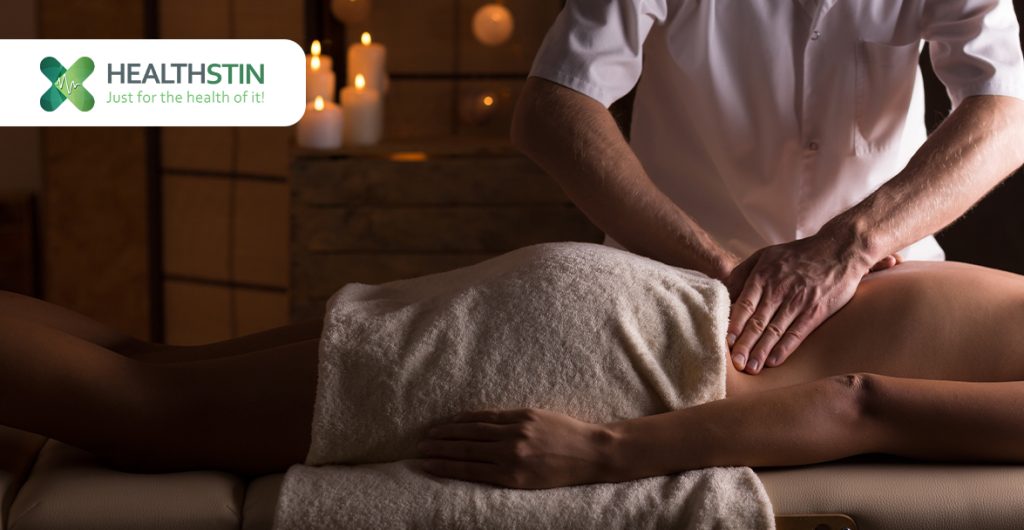
Deep Tissue Massage is a type of bodywork applied to the entire body. Using long and flowing strokes, the massage therapist will use deep pressure to release tension, going beneath the soft tissues and targeting deep layers of muscle and connective tissues. Compared to classical massage therapy, the stroke is slower, and direct friction or pressure is applied across the grain of the muscle. The massage therapist may use fingers, thumbs, or even elbows to apply pressure on the different parts of the body. It is advisable to wear the bare minimum of clothing during the session, which can last anywhere from 60 to 90 minutes. 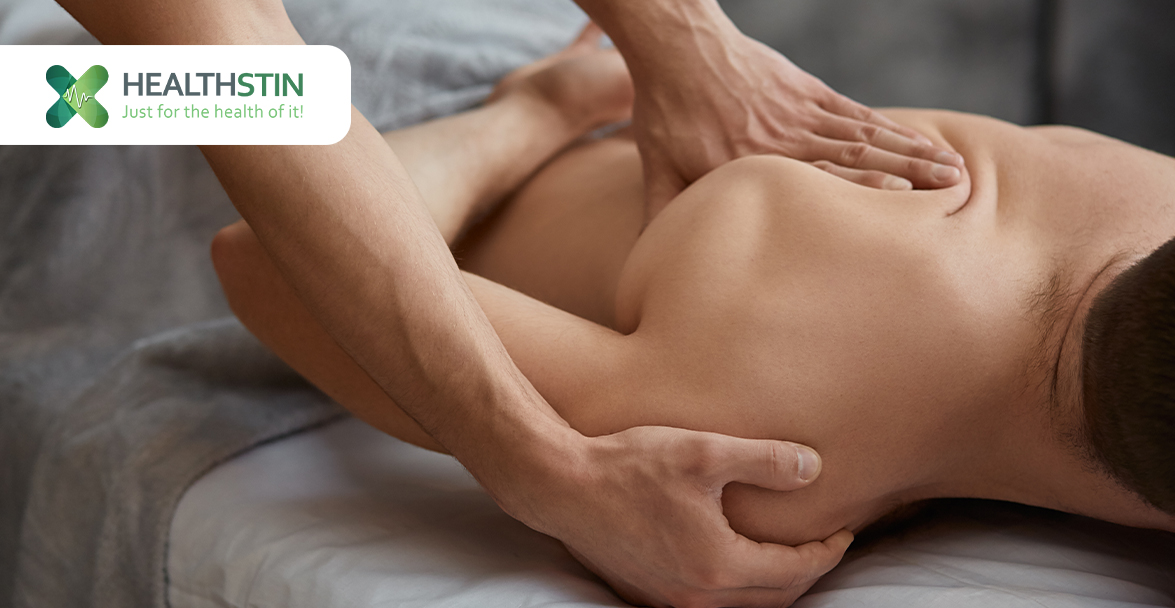
What Is Remedial Massage?
Remedial massage takes a clinical, assessment-based approach to treatment. It is not simply about addressing a localised knot; it focuses on identifying the source of the structural dysfunction.
Before a session begins, a trained clinician will typically conduct a physical assessment to look at your posture, range of motion, and specific areas of discomfort. The goal is to correct a structural issue rather than just providing a temporary sense of ease. As a form of soft tissue therapy, remedial massage is tailored to the individual.
Whether you are dealing with a repetitive strain injury or long-standing postural issues, the therapist develops a treatment pathway that addresses the root cause of your discomfort, aiming to support your body toward its optimal function.
Deep Tissue vs Remedial Massage: Key Differences
When comparing deep tissue vs remedial massage, look closely at their objectives. Deep tissue massage uses firm, deep pressure to relieve general muscle tension and stress. Remedial massage is a clinical treatment that starts with an assessment to identify and fix the root cause of an injury or movement issue.
|
Feature |
Deep Tissue Massage |
Remedial Massage |
|
Primary Goal |
General muscle tension release |
Injury rehabilitation and dysfunction correction |
|
Assessment |
Minimal; targets tight areas generally |
Clinical assessment to find the source of pain |
|
Pressure |
Firm, deep, sustained |
Variable; tailored to the specific injury site |
|
Focus |
Relaxation and muscular release |
Functional recovery and movement support |
Benefits of Deep Tissue Massage
Relieves Muscle Tightness
For those who carry stress in their shoulders, back, or neck, this style of massage provides significant muscle tension relief. By applying direct pressure, the therapist assists in lengthening and relaxing muscles that have become chronically tight.
Supports Sports Recovery
Athletes and active individuals often use deep tissue techniques for sports recovery. High-intensity exercise can cause micro-tears and tension build-up in muscle fibres. By supporting circulation and increasing blood flow to the area, this massage assists the body’s natural repair processes after strenuous activity.
Reduces Chronic Tension
If you experience consistent, long-term tension—often caused by occupational posture or repetitive movements—deep tissue work assists to physically address the patterns of tension that have built up over time.
Benefits of Remedial Massage
Assists Injury Recovery
Remedial massage is a cornerstone of Injury rehabilitation. By working on the damaged soft tissues, the therapist supports the natural healing process, reduces inflammation, and helps prevent the development of excessive scar tissue that could limit movement later on.
Optimises Mobility and Function
One of the main goals of this therapy is mobility improvement. If your muscles are locked tight, your joints cannot move through their full range of motion. Remedial techniques help release restricted tissues, allowing you to move more freely and perform daily activities with fewer restrictions.
Targets Specific Pain Areas
Through the application of trigger point therapy, therapists can pinpoint exact locations of referred discomfort—where pain is felt in one area but originates in another. They also utilise myofascial release to stretch and loosen the connective tissue (fascia) that may be restricting muscle movement. By targeting these specific spots, the therapist can provide targeted soft-tissue support where it is most needed.
Which Massage Is Better for Pain Relief?
The answer depends heavily on the nature of your discomfort:
For Lifestyle-Based Tightness: If your pain is caused by generalised tightness—such as a stiff back from sitting at a desk—deep tissue massage is often an ideal choice. It offers a balance between physical relief and relaxation, making it a great option for stress-induced muscular strain.
For Structural or Injury Issues: If your pain is due to an injury, a structural issue, or a specific movement limitation, remedial massage is the appropriate option. Because it is an assessment-based therapy, it is highly effective for long-term chronic pain management.
A remedial clinician will verify whether the discomfort is truly muscular or requires a different clinical approach, such as referral to a physiotherapist or an exercise physiologist.
Which Conditions Benefit Most from Each Treatment?
General muscle tightness: Perfect for when you are feeling stiff or “knotted up” after a long week.
Sports soreness: Great for helping your body recover after a workout when you are just feeling tired and achy, rather than injured.
Stress-related tension: Very effective for when you carry your stress physically, particularly as tightness in your neck and shoulders.
Remedial Massage
Postural pain: Excellent for issues like sciatica, lower back pain, or neck discomfort stemming from poor desk posture.
Chronic pain conditions: Provides ongoing physical support for long-term musculoskeletal issues.
Rehabilitation support: Used alongside medical treatment for post-surgical or post-accident recovery pathways.
Injury recovery: Specifically targets damaged ligaments, tendons, and muscles.
Can Massage Therapy Be Combined with Physiotherapy?
Yes, absolutely. In fact, integrating these services is often highly effective for managing physical discomfort.
At Healthstin, we see massage therapy as a key component of a broader recovery strategy.
While physiotherapy focuses on movement patterns, strength, and biomechanical correction, remedial massage supports this by addressing underlying soft-tissue restrictions that may be holding you back.
This builds a complete recovery plan that helps you heal more effectively and stay feeling better for longer. By combining hands-on massage with the right exercises and movement advice, you get better results than you would with massage by itself.
Is Deep Tissue Massage Painful?
There is a common misconception that massage must be painful to be effective. This is not true. Physical therapy should never be agonising.
Communication is key during your session. You should always feel comfortable providing your therapist with feedback on the intensity of the pressure. If you feel sharp pain or find yourself tensing up and holding your breath, the pressure is likely too high. A skilled clinician will be happy to adjust the intensity to ensure the session remains supportive without causing unnecessary discomfort.
How Healthstin Supports Pain Relief and Recovery
Healthstin provides a holistic environment that prioritises your health outcomes. We offer:
Remedial Massage Services: Delivered by clinicians who understand how to address the underlying sources of musculoskeletal discomfort.
Physiotherapy Integration: A seamless referral pathway if your condition requires clinical assessment and movement-based treatment.
Exercise Physiology Support: We help you build the strength needed to manage future injuries and support your long-term mobility.
Personalised Rehabilitation Frameworks: Every plan is tailored to your specific injury, lifestyle, and recovery goals.
KEY TAKEAWAYS
The best choice between deep tissue and remedial massage depends on what you need. Deep tissue massage uses firm pressure to help you loosen up when you are feeling generally tight or stressed. Remedial massage is more of a hands-on, problem-solving treatment designed to fix specific injuries and help you move better. By knowing your symptoms, you can pick the right path to help you recover and stay feeling your best.
FAQS
Is remedial massage better than deep tissue massage?
Neither one is better than the other; they are just used for different things. Remedial massage is best if you are dealing with a specific injury or a physical problem that needs fixing. Deep tissue massage is usually better if you just have general muscle tightness and need to loosen up. The right choice simply depends on what your body needs and what you want to achieve.
Which massage is best for back pain?
If the back pain is due to simple muscular overuse or stress, deep tissue massage can be very supportive. However, if the back pain is related to an injury, nerve impingement, or chronic postural dysfunction, remedial massage is the preferred choice, as it includes a formal assessment to identify the cause of the discomfort.
Can massage support injury recovery?
Yes. Remedial massage is a great tool for helping you recover from an injury. It improves blood flow, helps manage swelling, and works on tight, restrictive scar tissue to help you move more freely again.
How often should I get massage therapy?
How often you should come in depends on what you are dealing with. For long-term issues, you might benefit from weekly sessions to start, followed by monthly check-ins to stay on track. If you are just dealing with general muscle tightness, coming in once or twice a month is usually enough. Your therapist will suggest a schedule that works best for your recovery.
Do I need a referral?
You generally do not need a doctor’s referral to book a massage. However, if you are seeking treatment for an injury covered by specific insurance or government schemes (such as DVA or NDIS), you may require documentation from your GP. We can guide you on what is required during your initial enquiry.
Find the Right Massage Therapy for Your Needs
Choosing the correct massage treatment is the first step toward reclaiming your physical comfort and living with less restriction. Whether you require the focused relief of deep tissue techniques or the clinical assessment found in remedial massage, getting the right advice is paramount.
Manage Pain and Recover with the Right Massage Therapy
Book Your Massage Appointment with Healthstin