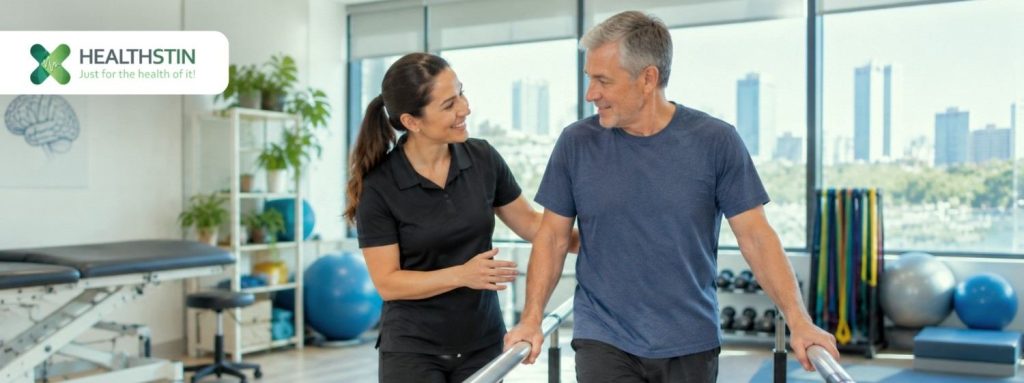
Dreaming of a career where you can help others move better and live healthier? Becoming an Accredited Exercise Physiologist (AEP) could be your perfect path. With growing demand across clinics, hospitals, and community health settings, exercise physiology jobs Australia offer rewarding opportunities for both graduates and experienced professionals.
In this guide, we’ll walk you through the essential steps to kickstart your AEP career, from earning your accreditation and meeting documentation requirements to exploring job opportunities across the country. You’ll also discover how Healthstin supports exercise professionals in building meaningful, long-term careers that make a real difference in people’s lives.
Step 1: Achieve Accredited Exercise Physiologist (AEP) Status
To work as an Exercise Physiologist in Australia, gaining an Accredited Exercise Physiologist (AEP) status through Exercise and Sports Science Australia (ESSA) is essential. This accreditation confirms that you’ve met the national standards in exercise science and clinical practice, allowing you to deliver evidence-based exercise programmes to clients with chronic conditions, injuries, or disabilities.
If you’re a student, this means completing an ESSA-accredited bachelor’s or master’s degree in Exercise Physiology or Clinical Exercise Physiology. For overseas professionals, you’ll need to have your qualifications assessed by ESSA to ensure they align with Australian standards. Once accredited, you’ll gain access to professional recognition, career opportunities, and the ability to register for insurance and work within Australia’s healthcare system.
Step 2: Secure Required Insurances and Documentation
Once you’ve achieved you’re AEP accreditation, the next step is to secure the necessary insurances and professional documents to begin practising safely and legally in Australia. These requirements protect both you and your clients, ensuring that your services meet professional and ethical standards.
At a minimum, Exercise Physiologists need Professional Indemnity Insurance and Public Liability Insurance. Many workplaces also require a current First Aid and CPR certificate, a Working with Children Check, and a National Police Check, especially if you’ll be working with people in vulnerable circumstances or in community settings. Having these documents ready not only speeds up the hiring process but also demonstrates your professionalism and commitment to providing safe, high-quality care.
Step 3: Understand Work Visas (For Overseas Professionals)
If you’re an overseas Exercise Physiologist hoping to work in Australia, understanding the visa process is a crucial part of your journey. Australia welcomes skilled health professionals, and Exercise Physiologists are recognised under the Skilled Occupation List, which means you may be eligible for various visa pathways.
|
Visa Type* |
Purpose |
Key Requirements |
Duration/Pathway |
|
Skilled Independent Visa (subclass 189) |
Allows skilled workers to live and work permanently anywhere in Australia without employer sponsorship. |
Positive skills assessment from ESSA, English proficiency, meet points test. |
Permanent residency |
|
Skilled Nominated Visa (subclass 190) |
For skilled workers nominated by an Australian state or territory government. |
State nomination, positive ESSA assessment, meet English and points test requirements. |
Permanent residency |
|
Skills In Demand Visa (replacing subclass 482) |
Provides a faster, more flexible pathway for skilled professionals to work in Australia. |
ESSA qualification assessment, English proficiency, employer sponsorship, health and character checks. |
Up to 4 years, with potential pathway to permanent residency. |
*Disclaimer: The information here is for general information purposes only and should not be considered legal, immigration, or migration advice. Visa policies and eligibility criteria can change without notice. Healthstin does not provide migration advice and is not affiliated with the Department of Home Affairs. For personalised assistance, please contact a registered migration agent or visit the official Department of Home Affairs website.
The most common options include the Skilled Independent Visa (subclass 189), Skilled Nominated Visa (subclass 190), or the newly introduced Skills In Demand Visa, which replaces the former Employer-Sponsored Visa (subclass 482). This change aims to provide a faster, more flexible pathway for skilled professionals to work in Australia, offering a clearer mobility between employers and improved conditions for visa holders.
Before applying, you’ll need to have your qualifications assessed by ESSA and ensure you meet the English language proficiency requirements. Each visa type has its own conditions, so it’s best to check the latest information on the Australian Department of Home Affairs website or seek migration advice.
Step 4: Explore the Australian AEP Job Market
With your accreditation and documentation in place, it’s time to explore the exciting range of exercise physiology jobs in Australia. The demand for qualified Accredited Exercise Physiologists (AEPs) continues to grow, driven by the country’s focus on preventative health, chronic disease management, and rehabilitation services.
AEPs can work across diverse settings, from private practices and hospitals to aged care facilities, disability support programmes, and community health centres. You’ll also find opportunities within NDIS providers, workplace health programmes, and sports or performance clinics. This flexibility allows you to tailor your career to your interests, whether that’s helping people recover from injury, manage chronic conditions, or improve theoir fitness and wellbeing.
While exploring job opening, look into reputable job boards such as:
- SEEK
- Indeed
- ESSA’s Career Centre
Don’t forget to visit Healthstin’s Careers page, where you can find roles that offer not just a job, but a chance to grow your career in a supportive, multidisciplinary team that values evidence-based care and continuous learning.
Step 5: Master Your Job Search Strategy
Landing your ideal role as an Accredited Exercise Physiologist (AEP) is about knowing how to stand out in a competitive and growing field. Start by preparing a professional resume that highlights your clinical experience, patient outcomes, and areas of specialisation. If you’re a student or recent graduate, include your placement hours, research projects, and any volunteer experience related to health and fitness.
Networking also plays a key role in your job search. Join ESSA events, local allied health meetups, or professional forums to connect with other practitioners and potential employers. Keeping your LinkedIn profile up to date and actively engaging with the industry content can help showcase your knowledge and enthusiasm for improving people’s wellbeing through exercise.
Finally, target workplaces that align with your values and career goals. At Healthstin, we provide more than just employment—we offer opportunities to learn, grow, and make a meaningful difference in people’s lives. If you’re ready to take the next step in your AEP journey, explore our Careers Page to discover available roles and join a team dedicated to empowering better health through movement.
Ready to Start Your Australian AEP Journey?
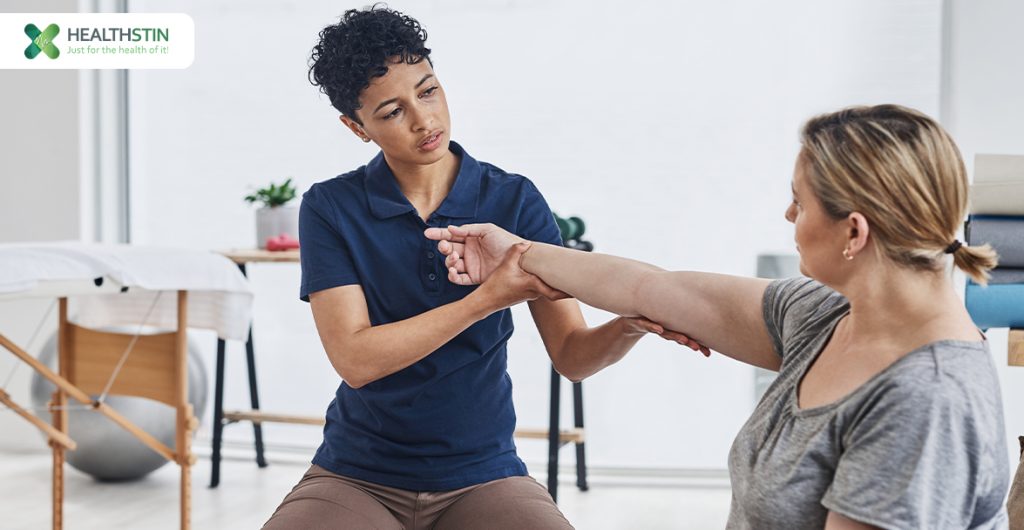
Pursuing a career in exercise physiology jobs in Australia means joining a profession dedicated to helping people move better, recover faster, and live healthier. Whether you’ve recently completed your exercise physiology certification or are exploring your exercise physiologist career path from overseas, opportunities are growing across hospitals, clinics, and community health settings.
At Healthstin, we’re passionate about supporting AEPs at every stage of their journey. Our team offers rewarding roles, ongoing professional development, and a collaborative environment where your skills can truly make a difference. View our current job openings and start building a meaningful career today.
Frequently Asked Questions (FAQ)
Are exercise physiologists in demand in Australia?
Yes. Exercise physiology jobs in Australia are steadily growing due to the country’s increasing focus on preventative health, chronic disease management, and rehabilitation services. Accredited Exercise Physiologists (AEPs) are now sought after across hospitals, private clinics, aged care, and NDIS sectors, making it a promising and stable career choice.
How much do exercise physiologists get paid in Australia?
Under the Health Professionals and Support Services Award (MA000027), the minimum annual salary for an exercise physiologist, classified as a Health Professional Level 1 Pay Point 3 (4-year degree entry), is around AUD $66,000 – $70,000, based on a full-time workload. According to SEEK, on the other hand, the national average sits around $80,000 to $90,000 annually, with senior AEPs or those in private practice earning higher rates.
How long does it take to be an exercise physiologist?
Becoming an AEP usually takes around 4 to 5 years, including completion of an ESSA-accredited bachelor’s or master’s degree and relevant clinical placement hours. This study pathway ensures you meet the national standards for exercise physiology certification in Australia.
Is an exercise physiologist better than a physiotherapist?
Both professionals play vital roles in improving people’s movement and function, but their focus differs. An exercise physiologist vs physiotherapist comparison shows that physiotherapists often provide manual therapy and injury diagnosis, while exercise physiologists specialise in prescribing exercise-based rehabilitation for chronic conditions, recovery, and long-term health management.
Is it hard to become an exercise physiologist?
The job description for an exercise physiologist includes assessing clients’ fitness and health, designing evidence-based exercise programs, and supporting people living with chronic illnesses, injuries, or disabilities. AEPs work collaboratively within healthcare teams to promote safe, effective, and sustainable physical activity for better long-term wellbeing.
What is the highest paid Exercise Physiology Jobs Australia ?
The highest-paid exercise physiologist positions are usually found in private practice management, research, occupational health, or specialist clinical roles. Those who build experience in niche areas, such as neurological rehabilitation or high-performance sports may also command higher salaries.
Don’t wait for your dream job to find you—start your Exercise Physiology Jobs Australia search today!
If you’re looking for roles with great mentorship, supportive teams, and a clear career trajectory, explore job openings with leading providers like Healthstin.
Explore Healthstin Careers: Find Exercise Physiology Jobs Now