Watching someone you care about struggle with daily tasks can be tough. Things like moving around the house, taking medications, or keeping up with routines may become harder. Many families worry about their loved one’s safety, but also want them to stay at home.
At Healthstin, we offer home care that helps older Australians keep living at home with the support they need. Our team provides government-funded services designed for each person, so they can stay independent and families can feel reassured that help is always there.
Understanding In-Home Care Services for Seniors
Home care for the elderly offers different services to help older Australians with daily tasks, health needs, and staying active at home. Depending on each person’s situation, this support can include help with routines, allied health services, personal care, or help around the house.
In-home care is different from care in a nursing home because it happens in the person’s own house. This lets many older adults stay in a place they know whilst getting help that fits their needs and goals.
What Does In-Home Care Services for Seniors Include?
Home care for older adults can be adjusted to fit different needs at home. Here is a quick look at the main types of services available:
| Service Type | What It Includes |
| Personal Care | Help with washing, getting dressed, grooming, using the bathroom, and other daily personal tasks to support comfort and independence. |
| Domestic Support | Help with household chores like cleaning, laundry, cooking, and shopping for groceries. |
| Health and Allied Health Services | Help from trained professionals, including medication management, wound care, exercise physiology, and physiotherapy, depending on the care plan. |
| Respite Care | Short-term care that gives family caregivers time to rest or handle other duties whilst making sure support continues at home. |
How Home Care for the Elderly Works in Australia
Arranging home care for older people in Australia usually involves a few main steps. The process might vary a little depending on the provider and funding, but it generally includes these stages:
1. Assessment
A trained professional looks at the person’s needs, daily habits, health, and home situation. Family members can also help by sharing more information.
2. Care Plan Development
Based on the assessment, a care plan is made for the person. This plan explains the type and amount of care needed, and how often visits will occur.
3. Matching with Care Providers
Care workers or health professionals are picked to fit the person’s needs and wishes. The goal is to provide steady, dependable help whenever possible.
4. Ongoing Review and Adjustments
The care plan is reviewed and updated often as the person’s needs change. This helps ensure the support remains suitable for them.
The Benefits of Home Care for the Elderly
Home care can bring both practical and emotional benefits to older Australians and their families. The advantages depend on each person’s needs and the kind of support they receive.
Maintaining Independence
With home care, older adults can remain in their own homes and familiar surroundings. This helps them keep their independence, comfort, and daily routines.
Personalised Support
Home care is shaped around each person’s needs, preferences, and goals. This way, they get the right support without extra services they don’t need.
Social Connection and Wellbeing
Regular visits and companionship can help reduce loneliness and support emotional wellbeing by providing ongoing social interaction.
Cost Considerations
Depending on eligibility and funding, home care can be more flexible than residential care. Services can be adjusted to match what is actually needed.
Support for Family Carers
Home care can make things easier for family members. It lets them share caregiving duties and spend more quality time with their loved one.

What Are Government-Funded Home Care Packages for Seniors?
Home care packages are programmes funded by the Australian Government to help older Australians get care at home. These packages provide funding for various services that support daily living, and the level of support depends on each person’s needs.
How to Access Home Care Packages for Seniors

There are a few main steps to get a home care package:
- Assessment through My Aged Care
First, an older adult needs an assessment through My Aged Care or another approved service to determine what care they need and whether they are eligible.
- Approval and package assignment
If approved, they will be assigned a home care package level that matches the funding available for their care needs.
- Choosing a provider
Next, the older adult or their family can choose a registered home care provider to deliver the services included in the package.
- Developing a care plan
The provider then works with the person to make a care plan. This plan explains how the funding will be used to meet their needs and goals within the set budget.
| 1. Maintaining Independence | With the right help at home, many older Australians can keep living in familiar places, stay active in their daily routines, and hold on to their independence. |
| 2. Personalised Support | Everyone has different needs. Home care can be adjusted to give the right support, based on each person’s goals, preferences, and way of life. |
| 3. Social Connection and Wellbeing | When support workers visit regularly, they offer real social interaction and companionship. This helps older adults stay connected and supports their wellbeing. |
| 4. Support for Family Carers | Home care can help with daily caregiving tasks. This gives family members and carers a chance to take a break and enjoy more quality time together. |
Levels of Home Care Packages
There are four funding levels for Home Care Packages. The level you receive is based on your assessed care needs.
| Level | Who It’s For | Examples of Support |
| Level 1 | People with basic care needs. | · Help with light household tasks
· Assistance with meal preparation · Occasional help with personal care |
| Level 2 | People who need a low level of ongoing support. | · Help with personal care
· Support with regular household tasks · Assistance with meal planning · Support with daily activities |
| Level 3 | People with intermediate care needs who require more regular support. | · Help with mobility
· Access to allied health services · Help with managing long-term health conditions · More frequent help with personal care |
| Level 4 | People with intermediate care needs who require more regular support. | · Nursing care when it is clinically appropriate
· Intensive help with personal care · Help with complex health needs · Coordinated support services |
Customising In-Home Care Services For Seniors
A key advantage of home care for older adults is that services can be adjusted to fit each person’s needs, preferences, and situation. Care plans can also reflect cultural backgrounds, personal goals, and any health conditions.
Support can include the following, based on what each person needs:
- Physiotherapy, exercise physiology, and advice on home safety for people who need help with moving around, balance, or staying active.
- Ongoing help from qualified health professionals for people living with long-term health conditions.
- Care that respects cultural preferences, like meal choices, language needs, and personal routines when possible.

The Benefits of Exercise Physiology and Physiotherapy in Home Care For Seniors
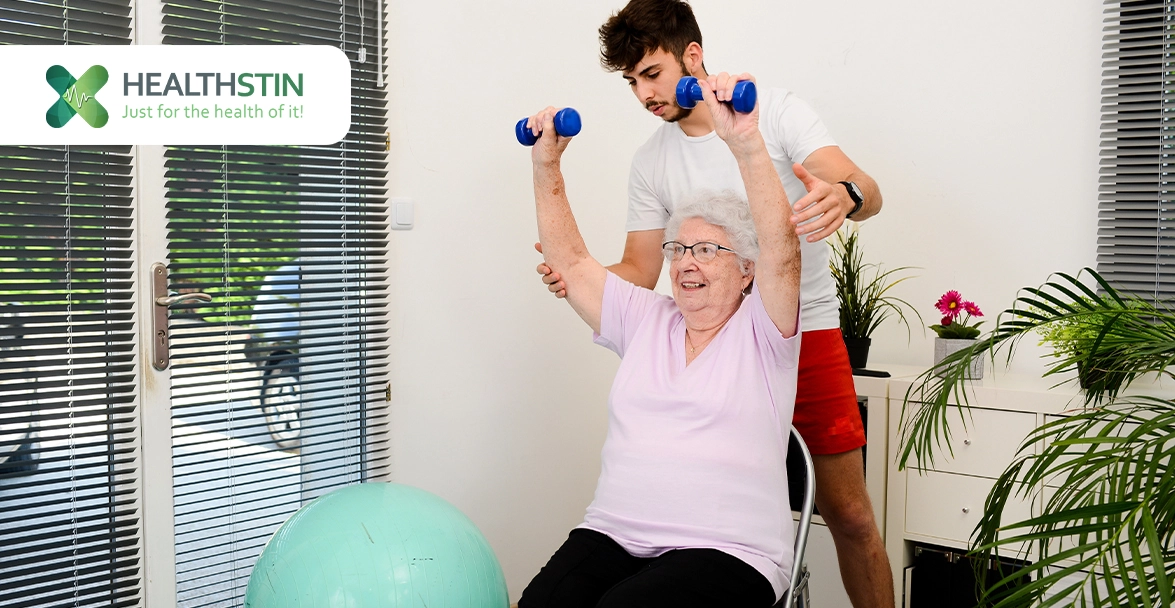
Exercise physiology and physiotherapy can be helpful parts of a home care plan for older adults. These services support people who are recovering from surgery or injury, managing long-term health issues, or wanting to keep up their strength, mobility, and confidence in daily life.
By working with qualified allied health professionals, care can be shaped around each person’s goals and updated as their needs change.
| Exercise Physiology in Home Care | Physiotherapy in Home Care |
| Exercise Physiologists create personalised exercise programmes based on each person’s goals, abilities, and health needs. Home visits may support older adults living with long-term health conditions such as arthritis, diabetes, or heart disease, helping them improve strength, mobility, balance, and confidence in everyday activities.
Programmes are tailored to the individual and use evidence-informed exercises that can be completed safely in the home environment. |
Physiotherapists support older adults with movement, mobility, pain management, and recovery following illness, injury, or surgery. Treatment may include hands-on therapy, prescribed exercises, and practical advice to make everyday activities easier and more comfortable.
Receiving Physiotherapy at home can be a practical option for people who find it difficult to travel or prefer to receive care in familiar surroundings. |
Including Exercise Physiology and Physiotherapy in home care plans helps older adults stay healthier, keep their independence, and enjoy a better quality of life.
Choosing The Right Home Care Provider
Finding a trustworthy home care provider is important to ensure your loved one receives the best care.
Here are a few tips to help you decide:
- Check credentials – Ensure the provider is licensed and employs qualified professionals.
- Read reviews– Look for testimonials and feedback from other families.
- Assess compatibility – Set up a meeting between your loved one and potential caregivers to determine whether they are a good fit.
- Ask about flexibility – Choose a provider who can adjust to changing needs and schedules.
Visit Healthstin Clinic Near You for Free Consultations
Healthstin has clinics in several locations across Australia, so people and families can get care close to home.
- Sans Souci, NSW: Supporting people and families in southern Sydney.
- Hurstville, NSW: Serving the St George community.
- Salisbury & Elizabeth, SA: Convenient for people in northern Adelaide suburbs.
- Brimbank & Melton, VIC: Supporting communities in Melbourne’s western suburbs.
- Belmont, WA: Providing services for people in the surrounding area.
Is Home Care for the Elderly Right for Your Loved One?
Home care can be a good choice for older Australians who want to stay at home but need help with everyday tasks. It also helps people who are recovering after a hospital stay, living with health issues, or looking for regular company and support.
Choosing care is a big decision. It’s helpful to talk with your loved one and make sure their wishes and comfort are part of the conversation.
Home care can help your loved one stay independent at home and give your family peace of mind, knowing support is there when needed.
Whether you are considering government-funded home care or private services, learning about your options can help you choose what works best for your family.
For official information about aged care in Australia, visit the Department of Health and Aged Care or My Aged Care websites.
FAQs
1. What is the most requested support service for the elderly?
Many people ask for personal care support. This can mean help with bathing, dressing, grooming, and moving around, so they can stay safe and independent at home.
2. What are the three types of elderly care?
There are three main types of aged care:
- Home care, which means support given in the person’s own home.
- Residential aged care, which is care provided in a facility.
- Community-based support, including services that help older people stay connected and supported in their communities.
Each type of care fits different needs and personal situations.
3. What is the most common home care service?
Personal care at home is the service people use most. It can include help with daily hygiene, meal preparation, mobility, and reminders for daily tasks.
4. What are the typical costs for home care for the elderly in Australia?
Home care costs depend on the level of support needed, your provider, and the number of hours of care you receive. Government programmes like Home Care Packages can help lower costs if you are eligible.
Schedule A Consultation With Healthstin Allied Health Today
Physiotherapy and exercise physiology play an important role in aged care. They help prevent health issues and support recovery, so seniors can stay active and enjoy better physical and mental health as they age.
At Healthstin, our experienced and caring allied health professionals design exercise programmes to match your loved ones’ health goals and needs. As a HCP-accredited provider, we offer in-clinic and mobile home visits in the South East Sydney and Adelaide Metro North.
Call 1300 090 931 or request a free assessment to find out more. You can also visit a nearby clinic offering in-home care services for seniors.