1 out of 6 Australians lives with a disability. That’s 4 million people or 18% of the total population, according to the Australian Institute on Health and Welfare. 1 out of 4 require help with household chores, and the same number need assistance with property maintenance.
While it may be true that some people with disabilities live with activity limitations such as accomplishing everyday tasks like doing household chores, preparing meals, and the like, people with a less severe or profound level of disability may opt to reclaim the independence they once had. How? Here’s where physiotherapy for people with disabilities can help.
Physiotherapy for functional ability
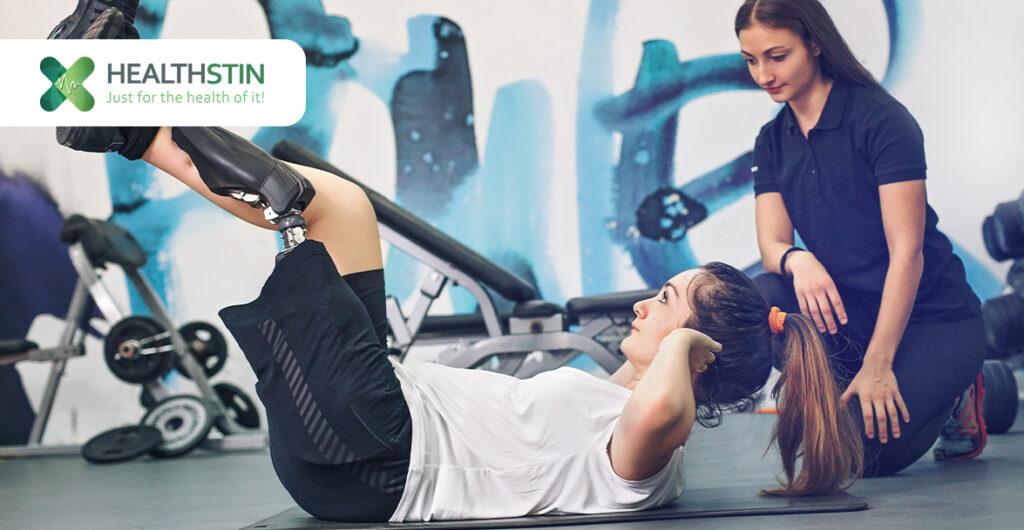
Physiotherapy is an allied health service focusing on helping restore, maintain, and make the most out of a patient’s mobility. As experts in the structure of the human body, Physiotherapists are involved in the hands-on evaluation, assessment, and treatment of patient care; they may include exercises and other interventions including soft tissue mobilisation to help the patient rehabilitate and perform activities of daily living. In a nutshell, Physiotherapy can help people with disabilities maintain functional ability, helping provide them with the means to live independently.

Physiotherapy for mobility, balance, and better movement
One important area of life to consider for people with a disability is how to increase or maintain mobility, how to move inside your house, and from place to place on your own. Your Physiotherapist can recommend exercises such as walking, or even just standing minus the aid of another person, as ways of helping address mobility challenges that get in the way of independent living. Such exercises can aid in addressing issues such as increasing the joints’ range of motion, stretching the tightened muscles, and improving exercise tolerance.
Another important aspect where Physiotherapy can help is in improving posture and regaining balance to reduce the incidence of falls, an important concern especially for seniors with disability. Your Physiotherapist can also assist you in coming up with the best way to position your body to improve your posture.
If needed, your Physiotherapist will also come up with recommendations for the use of supportive devices like a wheelchair, orthotic devices, or other adaptive equipment to help you move and function better in everyday life.

Physiotherapy and Hydrotherapy
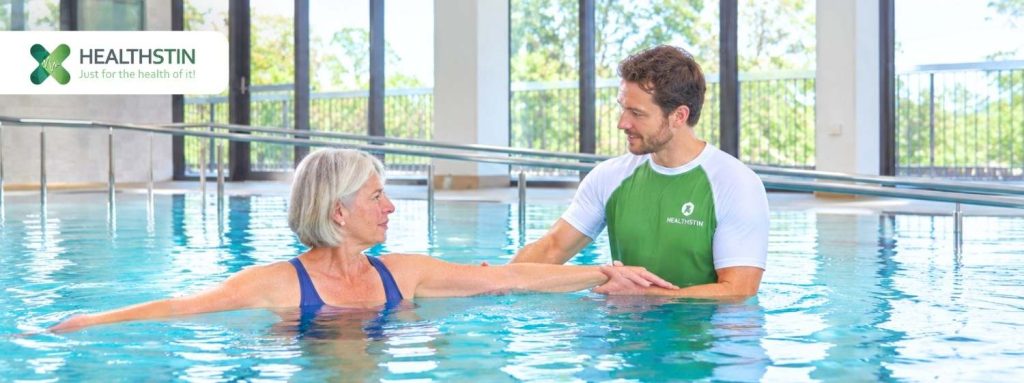
Your Physiotherapist may also recommend you avail of hydrotherapy or the use of water to help relieve pain and treat your symptoms. Exercising in the water adds buoyancy to the equation, the water being kinder to your joints when compared to weight-bearing exercises such as walking or other land activities. Doing aquatic exercises provide a host of other benefits as well, a relaxing environment to stretch and strengthen your muscles, enhance your stamina, improve muscle tone, increase circulation, as well as reduce discomfort.
Disability can get in the way of your independence, but it doesn’t have to be. With the help of exercise and a knowledgeable Physiotherapist, you can start claiming back a bit of your mobility and movement, one step at a time, en route to better health and well-being.
For physiotherapy sessions in Adelaide or disability support in Elizabeth, our team of expert Physiotherapists is ready to support you, whether you are living with a disability, require relief from chronic conditions, need aged care, or are required to undergo rehabilitation to be able to return to work. All Healthstin Allied Health Clinic locations also have hydrotherapy pools. This provides patients with the convenience of accessing gym workouts and water-based treatment in just one location. Call 1300 090 931 to know more or book a session.