Topics covered in this article
Whilst you were in the service, pushing through pain was just part of what you did. You learned to stay focused, keep going, and finish the mission, even when your body told you to stop. For many veterans, that way of thinking sticks around after leaving the military. As a result, it can mean living for years with pain, old injuries, and less mobility, often without reaching out for help.
The problem is that what works in the field does not always help your long-term health. Ignoring pain or handling it on your own can make injuries worse and affect your work, activities, and daily life. Real resilience is not about suffering in silence. It means knowing when to adapt and take action. With veteran injury recovery physiotherapy and personalised exercise physiology support, you can rebuild strength, improve your movement, and take charge of your recovery.
The “Ruck Through It” Mentality: Is It a Strength or a Setback?
For many veterans, “ruck through it” is more than just a saying. It is a mindset shaped by years of training and service. When dealing with pain, fatigue, or injury, the natural response is to focus on the mission and keep going. This kind of resilience is a real strength and plays a big role in military life.
But there is a key difference between resilience and recovery. Mental toughness can help in tough moments, but it is not always the best way to handle long-term injuries. If pain lasts or injuries do not heal, pushing through can delay getting the support needed for real recovery.
Why Pushing Through Pain Can Delay Recovery
If you ignore pain for too long, it can slowly affect how your body heals and moves. Even a small injury can become more difficult to treat later.
Here’s what can happen if pain is not taken care of:
- Risk of long-term injuries
Ignoring small injuries can turn them into long-term problems. Without the right care, pain might last for months or even years and make daily activities harder. - Changes in how you move
To avoid pain, your body will naturally change how you move. You might shift your weight, change your posture, or use one side more, which can put new strain on other parts of your body. - Possible long-term damage
Over time, these changes in movement can cause wear and tear in joints and muscles that were not hurt at first, which can make recovery harder.
This is why veteran rehabilitation programmes can help. They can correct how you move and support you in managing injuries over the long term.
What Clinical Recovery Really Looks Like in Practice
The clinical recovery is not just about ignoring pain and carrying on. It uses a step-by-step plan to help your body heal, regain movement, and improve your long-term function.
Structured Rehabilitation
Clinical recovery begins with a clear plan that fits your injury, lifestyle, and long-term goals. Rather than guessing what could help, your programme supports safe movement, steady strength building, and proper recovery. This is an important part of rehabilitation for veterans recovering from injuries and managing them over time.
Goal-Based Progress
Recovery follows clear milestones that focus on improving how you function over time, not just on how much pain you feel.
Professional Guidance
With support from DVA physiotherapy services and exercise physiology for veterans, you do not have to go through recovery alone. Clinicians guide your progress and adjust your programme when needed to ensure treatment remains safe and effective. This is especially important for military injuries that need ongoing care.
Measurable Results
Progress is tracked through measurable improvements in strength, movement, and daily activities. This approach highlights your progress over time and supports ongoing motivation.
A properly organised rehabilitation plan supports both your body and mind. It helps veterans go beyond just managing pain and start rebuilding strength and confidence in everyday life.
Still Pushing Through Pain?
Many veterans try to handle pain on their own and delay getting help. If you’ve been living with discomfort, stiffness, or trouble moving for some time, your body might need more support.
At Healthstin, we help veterans recover from chronic pain with personalised programmes that focus on movement and long-term injury care. Our goal is to help you move better, feel stronger, and return to what matters most to you.
You don’t have to do this alone. Our team can help you explore your options to support your recovery. Call 1300 090 931 to talk with our exercise team and start your journey to better movement and less pain.
Military Resilience vs Clinical Recovery Differences
Resilience is a valuable quality, and many veterans keep this strength long after their service ends. The difficulty comes when the mindset that helped you succeed in tough situations is used for injury recovery.
Long-term injury management often needs a different approach. Knowing how resilience and recovery differ can help you make better choices for your health and wellbeing.
| Military Mindset | Clinical Recovery |
| Push through pain — Keep going despite discomfort. | Address the root cause — Identify and treat the causes contributing to pain. |
| Short-term performance — Prioritise immediate demands and responsibilities. | Long-term health — Concentrate on sustainable recovery and future wellbeing. |
| Self-reliance — Manage challenges alone where possible. | Guided support — Work with health professionals to improve outcomes and aid long-term injury management. |
Clinical recovery is about more than just easing pain. It focuses on restoring movement, improving how your body works, and supporting your mental and physical health with planned rehab and evidence-based treatments.
Signs It’s Time to Seek Professional Help
It’s not always easy to tell when an injury needs more than just self-care. Many veterans put off getting help, hoping things will get better on their own.
Here are some signs it may be time to consider professional support:
- Consistent pain
Pain that lasts longer than expected could mean there is an injury or condition that hasn’t healed yet.
- Reduced mobility
If you find it hard to bend, reach, walk, or do daily tasks, your injury might be limiting your movement. Getting help early can stop more problems and help you recover.
- Fatigue or burnout
Dealing with ongoing pain can be tiring, both physically and mentally. If you feel more tired, frustrated, or less motivated than usual, you might need some extra help.
- Lack of improvement
If you have been resting, changing your activities, or trying to manage symptoms on your own but are not seeing real progress, a professional can help find the cause and guide you toward better results.
For many veterans recovering from chronic pain, the right support might make a big difference. Functional rehabilitation and military injury treatment can help find the cause of ongoing symptoms and make the move to civilian healthcare easier.
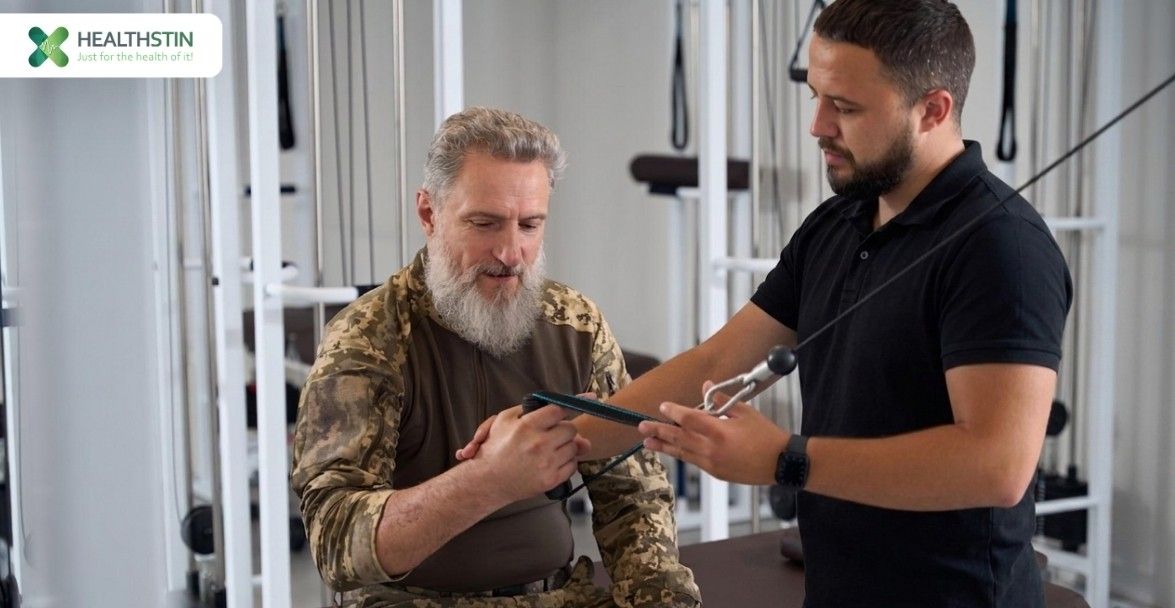
How DVA Supports Your Recovery Journey
Dealing with an injury by yourself can be tough, especially if you do not know where to begin. If you are an eligible veteran, you may be able to use a variety of healthcare services through the Department of Veterans’ Affairs (DVA). These services can make it easier to get the support you need.
If you are living with pain, healing from an injury, or want to improve your movement and independence, DVA-funded services can help support your recovery.
Funded Physiotherapy
DVA may pay for physiotherapy services for eligible veterans. These treatments focus on improving movement, easing pain, and helping with daily activities. Physiotherapists can also suggest pain management strategies that fit your needs.
Exercise Physiology Programmes
Exercise physiology programs aim to improve strength, movement, balance, and overall physical ability. These tailored programmes can help you recover from injury and become more confident in your movement.
GP Referral Process
Your GP can usually help you get referrals and connect you with the right health services. A simple referral process can make the transition to civilian healthcare easier and help you get the best support.
Learning about the support DVA offers is a good first step to finding the right care and taking charge of your recovery.
How Healthstin Helps Veterans Rebuild Strength and Function
Every veteran’s recovery journey is different. Everyone faces their own challenges after service, so one solution doesn’t fit all. At Healthstin, we take time to understand your goals, abilities, and how your injury or condition affects your daily life before creating a plan for you.
- Personalised rehab plans
Recovery begins by looking at your whole situation. Our team creates rehab plans that fit your needs, helping you work toward goals that matter to you and move forward at your own pace.
- Functional movement focus
Our programmes focus on helping you move better in everyday life, whether that’s climbing stairs, getting back into exercise, or managing daily tasks with less discomfort.
- Long-term recovery strategies
Recovery takes time, and lasting results come from a steady approach. We help you build habits and routines that support your health long after your treatment sessions end.
- Ongoing monitoring
Recovery often has ups and downs. We check in on your progress and update your plan when needed, so your treatment always fits your goals and any changes in your needs.
With personal care and ongoing support, Healthstin helps veterans regain strength, improve how they function, and make real progress toward lasting recovery.
Real Recovery: What Progress Looks Like
Recovery is not always about making big changes. Often, it means getting through the day with less pain or doing things that used to be difficult because of pain or injury. Even small steps like these can really improve your daily life.
As you begin to move better and feel less pain, it may become easier to stay active, stay independent, and spend more time with family and friends. Over time, these changes can help many veterans feel more confident and hopeful about their health.
FAQs About Transitioning from Military Resilience to Clinical Recovery
1. Is it too late to start rehab?
No. Many veterans start rehab months or even years after an injury. Whilst getting help early can be good, it’s never too late to get stronger, move better, and improve how you function.
2. What if I’ve been dealing with pain for years?
Many veterans live with pain longer than necessary. Even if you’ve had symptoms for a long time, there might still be ways to feel more comfortable, move more easily, and enjoy life more.
3. Do I need a referral?
Depending on your situation and the help you need, you might need a referral. Your GP can determine what’s needed and guide you through the steps.
4. What services are covered by DVA?
Veterans who qualify may receive services such as physiotherapy and exercise therapy funded by DVA.
5. How long does recovery take?
There’s no single answer because everyone recovers differently. Usually, recovery takes time, and steady improvement comes from regular treatment and support.
Stronger Isn’t About Toughing It Out, It’s About Recovering Smarter
If you’re living with ongoing pain or old injuries, you don’t have to push through it by yourself. Many veterans find that getting the right support actually makes recovery easier.
Healthstin offers DVA physiotherapy and exercise physiology for veterans. Our goal is to help you move better, feel less pain, and support your long-term recovery. We’ll work with you to make a plan that matches your needs and goals.
We make things easier by keeping the process simple from the beginning:
- No waitlists
- No extra fees
- No admin headaches
You can also get a free 30-minute consultation. This gives you a chance to talk with our team, ask questions, and learn about your next steps before you decide.
Book online to schedule your DVA assessment and begin your recovery today.
*Disclaimer: This article provides general information and is not a substitute for medical or funding advice. Eligibility, services, and referral rules from the Department of Veterans’ Affairs can change. Please check with your GP, provider, or DVA before starting treatment.