One of the benefits of modern living is the fact that we’re living longer now. Australia has one of the world’s best life expectancies, experiencing a two-decade increase over the course of nearly a century and now ranking in the top 10 in the world with an average of 83.79-year lifespan. This increase in life expectancy can be attributed to a couple of factors that include improved healthcare, vaccination, and advances in medical treatments.
However, living longer is more than just about numbers. It is also about living a high quality of life. Ageing is a natural process associated with biological changes in the body that can impact one’s quality of life. These changes can contribute to the loss of muscle mass, strength, and function, which in turn can lead to health issues such as falls, injuries, and chronic conditions such as osteoporosis, arthritis, stroke, cardiovascular disease, and diabetes, among many others. While ageing is an inevitable part of life, losing strength and vitality is not.
One way to mitigate the biological changes that occur with ageing is through strength training. Resistance training can have positive effects on more than just physical functioning. It can also have profound effects on your mobility, independence, mental well-being, and overall quality of life as well as reduce the risks of obesity and chronic diseases.
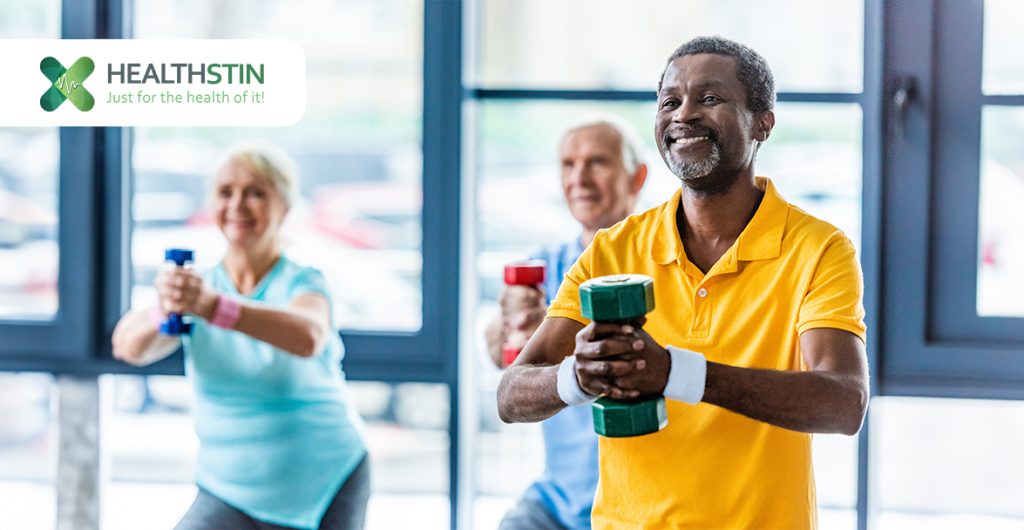
Exercise Program for Older Adults
The physical activity guidelines apply to everybody including older adults – this means doing aerobic, strength, and flexibility exercises as well as activities to improve balance. As for intensity and frequency, the following outlines how much exercise per week is ideal:
- Aerobic exercise: the experts recommend at least a total of 150 minutes weekly of moderate-intensity aerobic activity, divided into 30-minute sessions over five days a week. For vigorous-intensity aerobic exercise, the prescription is at least 75 minutes weekly.
- Strength training: the recommendation is at least two days a week with a program that covers all major muscle groups.
- Flexibility: stretching can help you become more flexible and less stiff, with an improved range of motion in the joints and muscles.
- Training for Balance: additionally, simple balance activities such as standing on one leg or walking backward may help reduce the risk of falls and bone fractures.
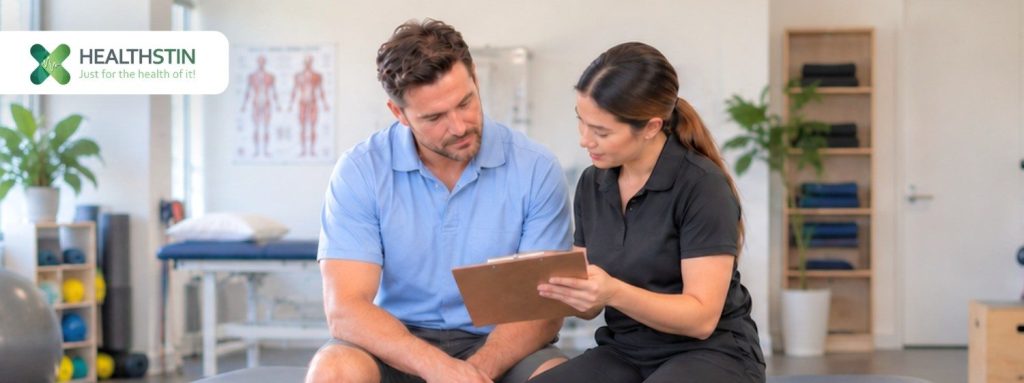
Before embarking on an exercise regimen, be sure to consult with your Physiotherapist and Exercise Physiologist, especially if you have been sedentary or have not participated in physical activity for a while. These health experts are well-trained to guide you towards programs that are safe and effective.
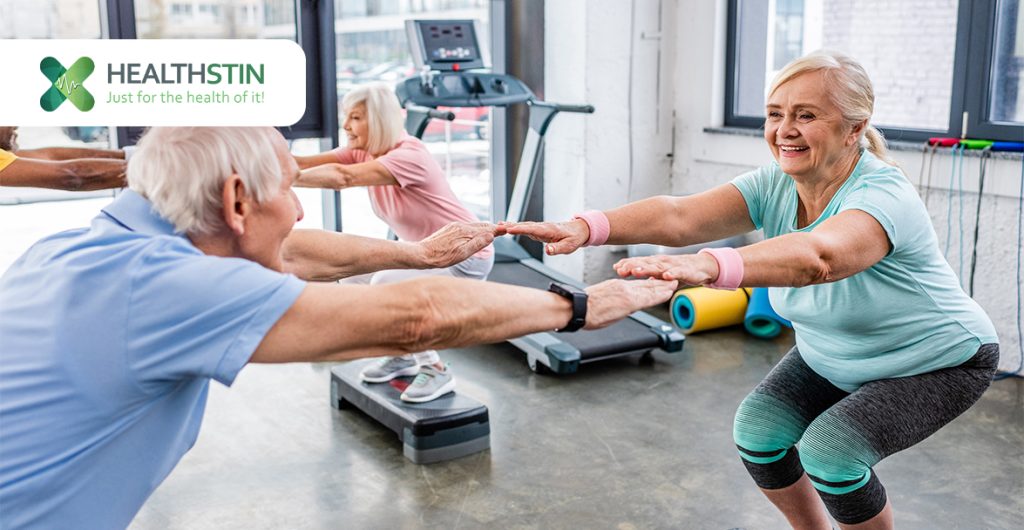
Strength Training Exercises for Elders
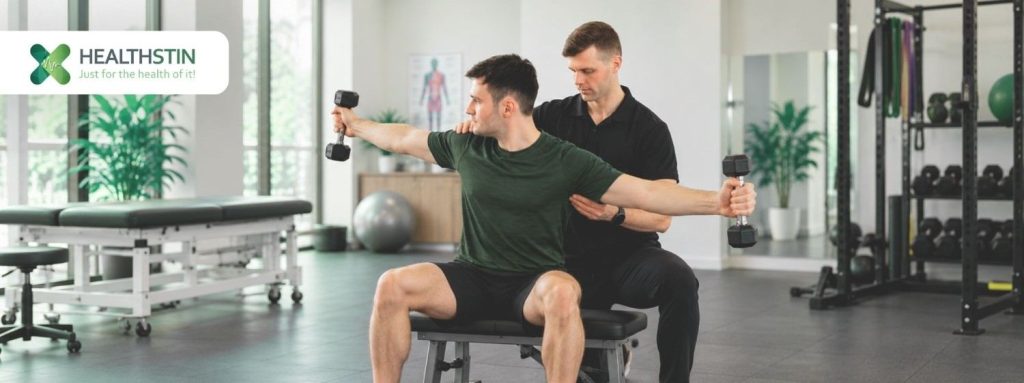
After warming up sufficiently by brisk walking or using a stepper, bike, or rowing machine, you can now begin your strength training. You can use a set of dumbbells for the following exercises and do them at home:
- Lower legs: bodyweight squats can help make walking, jogging, or climbing stairs easier as this exercise strengthens your lower body.
A sturdy chair will come in handy to give you support. Stand in front of the chair, with your feet slightly shoulder-width apart, and extend your arms parallel to the ground. Bend your knees while placing your weight on the balls of your feet and lower your buttocks to the chair in a controlled motion. Pause at the bottom of the movement then slowly rise up while keeping your ankles and lower back straight. Repeat at least 10 times. This counts as one set of squats. After resting for a minute, do another set of 10 repetitions.
Alternatively, you can do stair step-ups. Begin by standing next to the rail of a flight of stairs. Keeping your feet flat and toes pointing forward, place your left foot on the first step while holding the handrail to help you balance. Put your weight on the left leg while straightening your right leg. Pause, then return to the start position. Repeat for 10 repetitions using your left leg. Then execute the movement for your right leg. This counts for one set. Do another set of 10 for each leg after pausing for a minute or two.
As you get stronger, you can add more exercise movements to your regimen such as knee extensions and knee curls, both of which can help make you stronger in the lower body to make walking or climbing stairs easier.
- Lower legs: strengthening your calves can help in improving your balance and coordination as well as making walking easier and more enjoyable.
Do toe raises to strengthen your lower legs. Start by standing near a chair or counter with your feet shoulder-width apart, using the chair or counter as support for balancing yourself. Push up on the balls of your feet and hold at the top. Then, return to the start position. This counts as one repetition. Do a set of 10 repetitions. Then, rest for a minute before doing another set.
- Shoulders: overhead presses not only work the shoulders but also the arms and upper back. This exercise can help make reaching for objects such as stuff in your cupboard easier.
Stand or sit on a chair with your legs shoulder-width apart. Pick up a dumbbell with each hand. Raise your hands with both palms facing forward until the weight is level with your shoulders. Press upwards until your arms are fully extended without locking your elbows. Then, return to the starting position. This counts as one repetition. Do at least 10 repetitions. Take a rest for one minute. Then do another set.
- Back: doing back extensions can help strengthen your back and lessen incidences of back pain.
Start by lying face-down on the floor, preferably using a mat. With your left arm straight overhead, extend it aligned to your body while keeping your right arm at your side. Lift your left arm and right leg off the ground and pause, then return to the starting position. This counts as one repetition. Do a set of 10 repetitions using the left arm and right leg, then shift to raising your right arm and left leg for another set. Rest for a minute, then do another set for both sides.
- Chest: doing wall push-ups can help strengthen your chest, arms, and shoulders.
Start by standing in front of a wall that is clear of any hanging objects. Plant your hands on the wall at arms-length and shoulder height with your legs shoulder-width apart. Bend your elbows and move your upper body toward the wall while keeping your feet on the floor. Slowly come back to the starting position. This counts as one repetition. Do a set of 10 repetitions. Then, rest for a minute before doing another set.
- Arms: biceps curls can help you with tasks that require you to lift objects such as grocery bags or milk jugs.
With a dumbbell in each hand, stand or sit on a sturdy chair with your feet shoulder-width apart, and arms to the sides with your palms facing your thighs. Slowly rotate your forearms as you lift the weights with your palms now facing your shoulders, your elbows tucked to your sides. Pause at the top then return to the start position. This counts as one repetition. Do a set of 10 repetitions. Rest for a minute then do another set of 10.
- Mid-section: to help tighten your buttocks and abdomen, you can do this pelvic tilt exercise.
Start by lying on the floor, preferably on a mat. With your knees bent and arms at your sides, plant your feet flat on the floor. Roll your pelvis toward your abdomen, raise your hips and lower back off the floor, then pause. Go back to the starting position. This counts as one repetition. Do a set of 10 repetitions, rest, then do another set of 10.
If you have access to a gym, you can do other exercises for each muscle group using machines such as pulldowns for the upper back, bench presses for the chest, and machine presses for the shoulders, among many other exercises. Alternatively, you can also use resistance bands instead of free weights or machines.
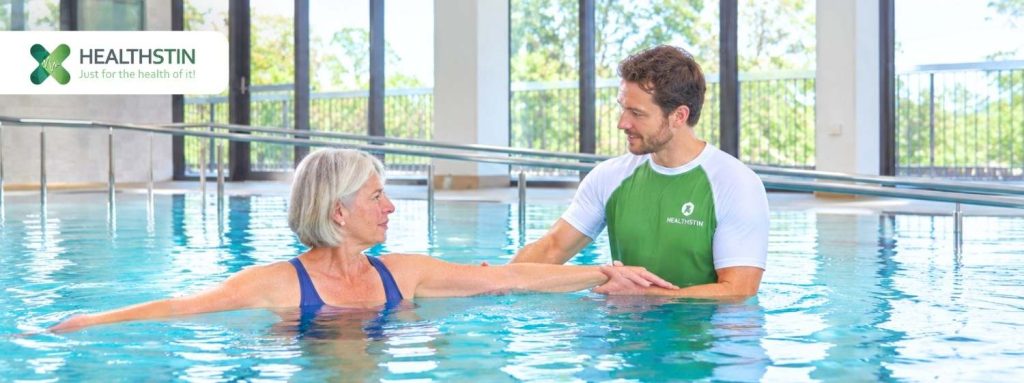
Another way to do strength training is through water-based exercises. Done in a hydrotherapy pool, training in water gives you the advantage of buoyancy. That means less strain on your joints and pressure on your body while improving your sense of balance as well as increasing your range of motion. If done in warm water, aquatic training can also help improve circulation and bring therapeutic, relaxing effects.
Remember to be mindful of your lifting technique and never sacrifice good form for increased weight or resistance. Always set aside time for stretching and cooling down after strength training to avoid injury and soreness. If you feel fatigued after doing a set of exercises, take an extra minute or two of rest.
Notice: The information provided here is general in nature. It does not consider your individual circumstances. The purpose of this presentation is to demonstrate accurate exercise techniques. It is not meant for self-diagnosis or self-management of your medical condition. Should you experience persistent discomfort or challenges when attempting an exercise, please consult a qualified Exercise Physiologist for guidance. You can reach out to our experienced Allied Health Professionals at 1300 090 931.

The benefits of resistance exercises for older adults
Strength training has a host of benefits that can help reduce the effects of chronic conditions such as these:
- Arthritis – relieves pain and stiffness as well as increases strength and the joints range of motion
- Osteoporosis – training for strength can help build bone density and enhance bone health
- Diabetes – may help enhance glycemic control
- Obesity – improves metabolism and aids in weight control
- Heart disease – helps improve lipid profile and decreases cardiovascular risks
- Chronic back pain – helps reduce pressure and stress on the spine, builds back strength
Strength training coupled with aerobic exercise may also help improve your emotional and psychological health, promote deep sleep, and reduce the effects of anxiety and depression.
Exercise classes for Older Adults
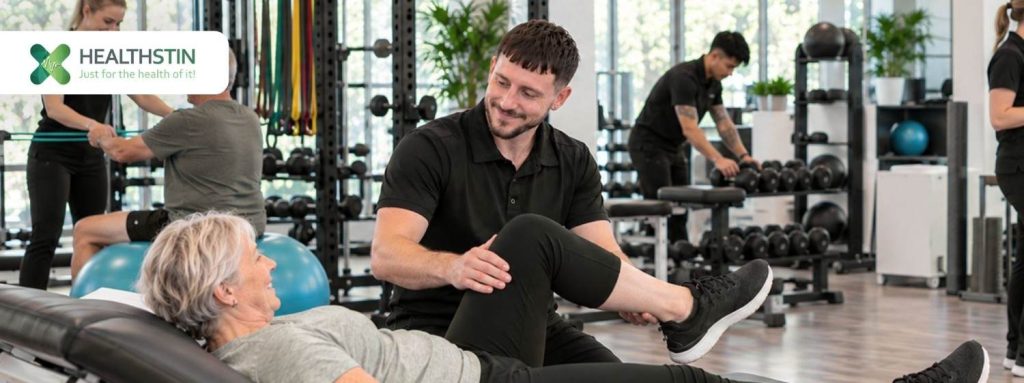
Our Allied Health Clinic in Hurstville provides a venue for strength training exercise classes for older adults. The Strong and Steady group strength training classes under the Staying Active program are held here every Monday at 9:15 AM. A group setting is ideal for gaining extra motivation to exercise as well as meeting new people who share your passion for exercise. Alternatively, you can also explore aquatics-based training in our hydrotherapy pool in Hurstville to gain the benefits of water-based treatment. Just like in our other Allied Health Clinic locations, our Exercise Physiologists and Physiotherapists in Hurstville are ready to support your quest for better health and well-being. To know more or book a class, call 1300 090 931 today.
Aeging is a natural process of life. However, being increasingly frail and lacking in vitality as you age is not. Getting stronger through resistance or strength training is vital to healthy, active ageing. Being strong has a deeper impact that goes beyond the physical, it also has a profound effect on the other factors that contribute to a higher quality of life such as increased self-confidence, functional independence, and less vulnerability to depression. Resistance training is invaluable in gaining good health as we age.
Found this post useful? Please follow our blog or subscribe to our social media accounts on Facebook or Instagram so you can receive regular updates on relevant health information.